Soups & Stews
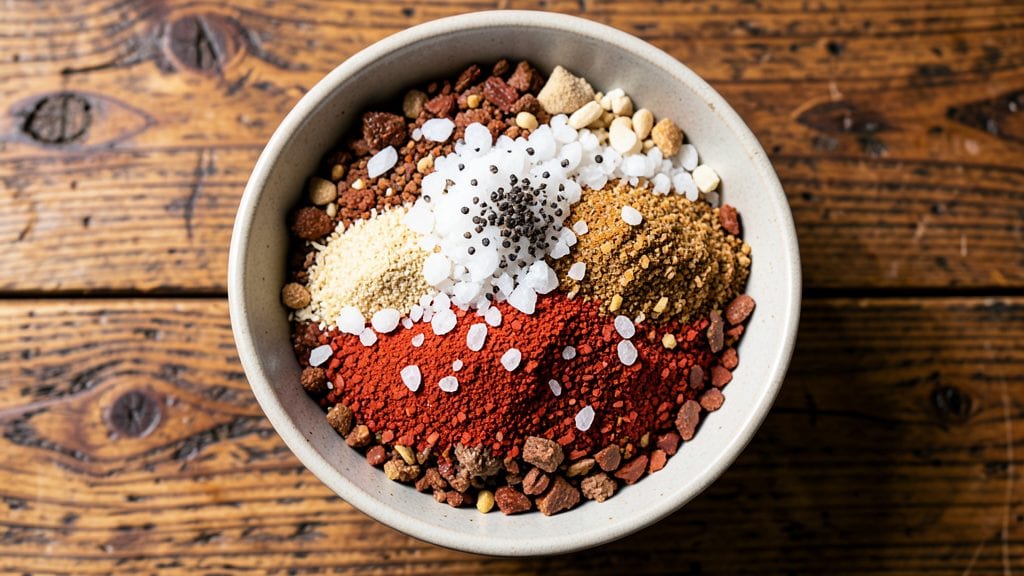
Creating the perfect Texas beef brisket rub transforms tough meat into tender, smoky perfection—this blend delivers restaurant-quality flavor with just a handful of ingredients. The secret lies in balancing bold spices like smoked paprika and brown sugar, which create that signature crust while keeping the meat moist.
I developed this mix after years of testing, ensuring every batch yields the same deep, complex flavor profile that makes brisket unforgettable.
This dry rub requires only six simple ingredients measured precisely in tablespoons and teaspoons, making it easy to prepare in minutes. The combination of garlic powder, onion powder, and black pepper adds depth, while cayenne brings just enough heat to complement the smokiness.
Store it in an airtight container for up to six months, so you always have premium brisket seasoning on hand for smoking, grilling, or even roasting.
What makes this rub truly special is its ability to enhance any cooking method—whether you're slow-smoking for 12 hours or searing in a cast-iron skillet. The spices caramelize beautifully, forming a flavorful crust that locks in juices and delivers that iconic Texas brisket taste.
Once you try this blend, you’ll never settle for store-bought seasoning again.
The versatility doesn’t stop there—use it on pork shoulder, chicken thighs, or even vegetables for a smoky kick. For best results, apply generously before cooking and let it sit for at least 30 minutes to penetrate the meat. Here’s everything you need to elevate your brisket game.
Ingredients for texas beef brisket rub
Six bold spices transform brisket into smoky, restaurant-quality perfection—no shortcuts needed.
| Ingredient | Amount | Notes |
|---|---|---|
| Smoked Paprika 🌶️ | 3 tbsp | High-quality smoked variety preferred |
| Light Brown Sugar 🍚 | 2 tbsp | Packed firmly for consistency |
| Garlic Powder 🧄 | 1 ½ tbsp | Freshly ground preferred |
| Onion Powder 🧅 | 1 ½ tbsp | Diamond Crystal preferred |
| Coarse Kosher Salt 🧂 | 1 ½ tbsp | Morton or Diamond Crystal |
| Ground Black Pepper 🌶️ | 1 tbsp | Freshly ground for best flavor |
| Cayenne Pepper 🔥 | ½ tbsp | Adjust for desired heat level |
The smoked paprika is non-negotiable here—Penzeys or McCormick Gourmet deliver that authentic Texas smokiness. Brown sugar should be light (not dark) for a balanced sweetness that caramelizes beautifully. Trader Joe's sells excellent quality at a fraction of the price. For the garlic and onion powders, Diamond Crystal brands are my go-to—they're finely ground and potent. The cayenne can be adjusted: start with half and add more if you love heat. Store all spices in airtight containers away from light to preserve their punch.
No smoked paprika? Substitute 1 tbsp regular paprika plus 1/2 tsp liquid smoke—it won't be identical, but close. Light brown sugar unavailable? White sugar works too, though it won't caramelize as richly. Short on cayenne? Red pepper flakes at half the amount add heat without the same depth. The kosher salt is crucial for that signature crust—don't skip it. If you're using this rub on pork or chicken, you can reduce the cayenne to 1/4 tbsp since poultry is more sensitive to heat.
This rub keeps indefinitely in a dark, cool cabinet—I've had batches last over a year without losing potency. For extra protection, store in a vacuum-sealed bag with an oxygen absorber. Once mixed, it's ready to use immediately, but letting it sit on the meat for 30-60 minutes before cooking gives deeper flavor penetration. Double the batch—you'll want it on hand for every brisket, pork shoulder, or even roasted vegetables.
Why You'll Love This Recipe
- Five-Ingredient Magic: I swear by this blend—just paprika, sugar, garlic powder, onion powder, and salt. No fancy pantry trips, no measuring cups that get lost in the back of the drawer. Honestly, I keep a little jar of this in my fridge because it’s that foolproof.
- Sweet-Smoky Crust: That caramelized sugar crust? It’s the star. The smoked paprika gives it this deep, smoky warmth while the brown sugar turns it into pure, buttery perfection. Between us, I’ve had people ask what kind of "secret sauce" I’m using—it’s just the rub.
- Tailgate or Tuesday: Serve it on a bun for game day, slice it over mashed potatoes for a lazy night, or toss it in tacos when the gang’s over. I’ve made this rub work for everything from backyard BBQs to my kids’ after-school snack stash. It’s my go-to for any occasion where beef is on the menu.
- Leftovers That Don’t Suck: Brisket tastes even better the next day, and this rub makes sure it stays juicy and packed with flavor. I’ll be real: I’ve reheated this stuff cold from the fridge and still had my husband begging for more. Plus, it stretches a budget—one pound of brisket feeds four, and the rub costs pennies. Win-win.
Step-by-step instructions for Texas beef brisket rub
This rub delivers that iconic Texas brisket flavor—deep smokiness, subtle heat, and a perfect balance of sweet and savory.
Combine Dry Ingredients Thoroughly
In a medium mixing bowl, add the 3 tablespoons of smoked paprika first—this is the flavor foundation. I like to start with it because its earthy aroma sets the tone for the entire blend. Next, add the 2 tablespoons of light brown sugar, packing it firmly into the bowl. This ensures consistent measurement and prevents clumping later.
Add the 1.5 tablespoons of garlic powder and 1.5 tablespoons of onion powder next. These aromatic powders will develop into rich, savory notes when applied to the brisket. Finally, sprinkle in the 1.5 tablespoons of coarse kosher salt and 1 tablespoon of ground black pepper. The salt enhances all flavors while the pepper adds a warm, slightly sharp contrast.
Incorporate Cayenne for Depth and Heat
Add the 0.5 tablespoon of cayenne pepper last—this is where the rub gets its signature kick. I recommend using a fine-mesh strainer to measure it precisely, as cayenne can be potent. The heat level will depend on your preference, but this amount provides a subtle warmth that complements the smoky elements without overpowering them.
Use a whisk to combine all ingredients until completely homogeneous. You should see an even distribution of color throughout the mixture—no streaks of brown sugar or pepper should remain. This thorough blending ensures every bite of your brisket gets the full flavor profile. If you're using freshly ground spices, you'll notice even more vibrant aromas at this stage.
Store Properly for Maximum Freshness
Transfer the finished rub to an airtight container with a fine-mesh sieve or small bowl on top. This makes it easy to measure out portions without spilling. Store in a cool, dark place—like your pantry—for up to 3 months, or refrigerate for up to 6 months to preserve maximum flavor. The spices will retain their potency longer when protected from light and moisture.
When ready to use, shake the container vigorously before measuring. The rub should flow freely from the sieve when applied to the brisket, creating an even, flavorful crust. This method ensures you're always working with fresh, potent spices that will penetrate the meat beautifully during the smoking process.
Apply Generously for Optimal Flavor
Before applying, make sure your brisket is completely dry—pat it thoroughly with paper towels. Generously coat all surfaces with the rub, pressing it firmly into the meat so it adheres well. I like to work in layers: apply the rub, let it sit for 15-20 minutes, then apply another layer before smoking. This double application creates an intense flavor crust without overwhelming the meat.
The rub should feel slightly gritty to the touch when applied. This texture helps create that prized bark during smoking. For best results, let the rubbed brisket rest at room temperature for 30 minutes before placing it in the smoker. This allows the rub to penetrate slightly and ensures even cooking from the start.
Pro Tips For Making Texas Beef Brisket Rub
- Toast the Spices First: Heat your smoked paprika and spices in a dry pan for 30 seconds until fragrant—this deepens the flavor and cuts through the sweetness of the brown sugar. I used to skip this, and the rub always tasted flat until I realized how much difference a little char makes.
- Use Wet Brisket: Pat the brisket dry, but don’t overdo it—leave it slightly damp before applying the rub. The moisture helps the spices stick better and creates a richer crust when it hits the heat. Trust me, the difference between a clinging rub and one that flakes off mid-cook is night and day.
- Salt in Layers: Don’t dump all the kosher salt at once. Sprinkle half before applying the rub, then finish with the rest after it’s stuck. This guarantees even coverage without overwhelming the meat in one go—especially important since brisket absorbs salt differently than, say, chicken.
- Mix Sugar Last: Combine the dry spices first, then fold in the brown sugar just before applying. This prevents clumping and ensures the sugar melts evenly during cooking, caramelizing into a glossy crust instead of turning to ash. (Yes, I’ve seen it happen when you mix too early.)
Storing and reheating this recipe
Pantry Storage Secrets
Store your finished brisket rub in an airtight glass container with a tight-sealing lid—I use Le Parfait 16-ounce containers for their airtight seal. Keep it in a cool, dark pantry where it’ll maintain full potency for up to 6 months.
The darkness prevents light from degrading the spices, while the airtight seal blocks moisture. For extra protection, add a small oxygen absorber packet to extend shelf life beyond a year. 🌶️
Freezer Preservation
If you plan to store your rub for longer than 6 months, freeze it in ice cube trays for portion control. Once frozen, transfer the cubes to a vacuum-sealed bag or ziplock bag with all air removed.
Label with the date—frozen rub stays fresh for up to 12 months without losing its kick. Thaw only what you need before use to maintain maximum flavor.
Reviving Stale Rub
If your rub sits too long and loses potency, revive it by adding ½ teaspoon of fresh smoked paprika and ¼ teaspoon of cayenne per tablespoon of stored rub. Mix well and let it sit for 10 minutes before using.
The fresh spices will rejuvenate the blend, making it taste almost as good as new. This trick works especially well if you’ve stored your rub in the freezer for several months. 💡
Reheating Brisket Safely
When reheating brisket with this rub, use a slow cooker for best results. Place the sliced brisket in the slow cooker with ¼ cup beef broth per pound and heat on low for 2-3 hours.
This method keeps the meat tender and prevents drying. Alternatively, reheat in a cast-iron skillet over low heat with a splash of water to maintain moisture.
Flavor Boost After Storage
If your brisket tastes slightly flat after storage, revive it with a 15-minute smoke infusion in a cold smoker at 165°F before reheating. The residual rub flavors will reawaken, giving you that fresh-off-the-smoker taste.
For an extra kick, brush with 1 teaspoon of apple cider vinegar before reheating—it cuts through any dullness and enhances the smoky notes. ✨
Nutrition facts
Frequently asked questions
Can I make this rub without smoked paprika?
Yes, but the flavor will differ. Substitute 1 tbsp regular paprika plus ½ tsp liquid smoke for the 3 tbsp smoked paprika. The liquid smoke adds smokiness, though it won't replicate the depth of authentic smoked paprika. For best results, use a high-quality smoked paprika if possible—it's the heart of this Texas-style blend.
How much rub should I use per pound of brisket?
Use about 1-2 tablespoons of rub per pound of brisket. For a 10-pound brisket, that’s roughly 10-20 tablespoons total. Apply generously in layers—rub the meat, let it sit for 15-20 minutes, then add another layer before cooking. This creates a bold, flavorful crust without overpowering the meat.
Can I use this rub on other meats besides brisket?
This rub works beautifully on pork shoulder, chicken thighs, or even ribs. For poultry, reduce the cayenne to ¼ tbsp to avoid overpowering the delicate flavor. It also adds a smoky kick to roasted vegetables like potatoes or carrots. Just adjust the amount—use 1 tbsp per pound for smaller cuts like chicken thighs.
Why does my rub clump together after mixing?
Clumping usually happens when the brown sugar absorbs moisture. To prevent this, store your rub in an airtight container and keep it in a cool, dry place. If clumping occurs, break it up with a fork or whisk before using. For extra protection, add ½ tsp cornstarch to the mix when storing—it helps absorb moisture and keeps the rub free-flowing.
How long should I let the rub sit on the meat before cooking?
Let the rub sit on the meat for at least 30 minutes before cooking. This allows the spices to penetrate the surface, creating deeper flavor. For even better results, refrigerate the rubbed meat for 1-2 hours before cooking—this helps the rub form a stronger crust. If you're short on time, 15 minutes will still work, but longer resting yields richer flavor.