Main Courses
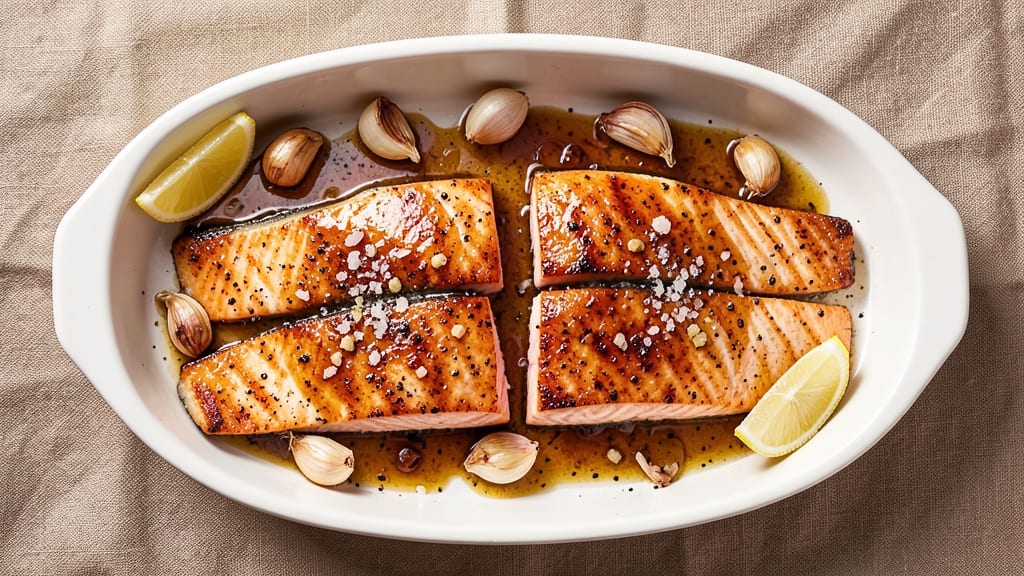
This tasty baked salmon recipe with honey mustard glaze delivers crispy skin and tender flesh in under 20 minutes—no fancy techniques required. The secret lies in a simple glaze that caramelizes beautifully while baking, creating a balance of sweet, tangy, and savory flavors that elevate even a simple weeknight meal.
I developed this method after years of testing different glazes, and it consistently produces restaurant-quality results at home with minimal effort.
The recipe combines just six core ingredients, all of which you likely already have in your pantry, making it both foolproof and budget-friendly. The honey mustard glaze isn't just delicious—it also helps lock in moisture while creating that coveted crispy exterior.
Whether you're serving this for a quick family dinner or impressing guests, the presentation is just as impressive as the taste, with golden skin and glossy glaze that makes the dish look as good as it tastes.
What makes this recipe stand out is how versatile it is—pair it with roasted asparagus, a simple quinoa salad, or even just a side of steamed vegetables to complete the meal.
The glaze works equally well with fresh or frozen salmon fillets, so you can always have a delicious dinner ready in a pinch. The method ensures even cooking and perfect texture every time, which is particularly important when working with delicate fish.
Once you try this honey mustard glaze, you'll never go back to plain baked salmon again. The combination of sweet honey and tangy mustard creates a flavor profile that's both familiar and exciting, making it a crowd-pleaser for any occasion.
Let's get started and transform your next salmon dinner into a standout meal.
Ingredients for tasty baked salmon
Six simple ingredients transform plain salmon into restaurant-quality crispy perfection in under 20 minutes.
| Ingredient | Amount | Notes |
|---|---|---|
| Salmon Fillets 🐟 | 4 whole | Skin-on, 6 oz each, fresh or frozen |
| Honey 🍯 | ¼ cup | Raw, unfiltered preferred |
| Dijon Mustard 🍯 | 2 tbsp | High-quality, smooth texture |
| Olive Oil 🫒 | 2 tbsp | Extra-virgin, for crispiness |
| Lemon Juice 🍋 | 1 tbsp | Freshly squeezed |
| Garlic Cloves 🧄 | 2 cloves | Minced, for depth of flavor |
| Salt 🧂 | 1 tsp | Kosher or sea salt |
| Black Pepper 🌶️ | ½ tsp | Freshly ground preferred |
| Fresh Parsley 🌿 | ¼ cup | Chopped, for garnish |
The salmon is where it all starts. Wild-caught is ideal—it holds up better to heat and has richer flavor. If using frozen, thaw in the fridge overnight (not under running water—it dries out the fish). For the best skin crispiness, pat the fillets bone-dry with paper towels before baking. I grab my salmon at Whole Foods or Trader Joe's—they carry consistent quality. The honey? Raw, unfiltered has more flavor than the filtered supermarket kind. If you can't find it, regular honey works, but you'll miss that depth.
No Dijon mustard? Yellow mustard at half the amount gets you close. Short on honey? Maple syrup works 1:1, though it's less floral. The olive oil is non-negotiable—extra-virgin gives that fruity note that makes the glaze sing. If you're out of lemon juice, white vinegar at half the amount adds tang without overpowering. The garlic can be pre-minced from a jar (just drain it well), but fresh is always better. For the parsley, dried works in a pinch, but it's half the amount—fresh is so much brighter.
This glaze keeps for 1 week in the fridge if stored in a sealed jar. The salmon itself reheats beautifully—10 seconds in the microwave or gently in a pan with a splash of water. I always make extra glaze—it's perfect for drizzling over roasted veggies or even grilled chicken. The crispy skin? That's the magic. If yours isn't crispy enough, bake the salmon skin-side up on a wire rack over a baking sheet for better airflow.
Why You'll Love This Recipe
- Five-Ingredient Magic: I swear by this combo—salmon, honey, Dijon, olive oil, and lemon juice. That’s it. No chopping, no fuss, just slather, bake, and boom, dinner’s ready.
- Sweet-Savory Balance: The honey glaze caramelizes into crispy edges while the Dijon mustard cuts through the richness. That tangy, sticky contrast? My family can’t get enough.
- Weeknight & WOW: Throw it together for Tuesday takeout or serve it at a dinner party—no one will guess it’s this unfussy. (Between us, it’s my go-to for date night too.)
- Leftovers That Don’t Suck: Bake a little extra, and you’ve got lunch sorted. Cold salmon salad? Yes, please. Or reheat it gently—still tender, still delicious, no dryness in sight.
Step-by-step instructions for honey mustard glazed baked salmon
Here's how to achieve perfectly crispy skin and tender flesh with a sweet-savory glaze every time.
Prepare the Honey Mustard Glaze
In a small bowl, whisk together the 0.25 cup honey, 2 tablespoons Dijon mustard, 2 tablespoons olive oil, 1 tablespoon lemon juice, 2 minced garlic cloves, 1 teaspoon salt, and 0.5 teaspoon black pepper. The mixture should be smooth and well combined—no lumps of mustard or honey should remain. This glaze will create that perfect balance of sweetness and tang while ensuring crispy skin.
I like to taste the glaze before applying it to check the seasoning. If it needs more brightness, add a pinch of salt. If it feels too sharp, a tiny drizzle of honey will balance it. This step is where you build the foundation for that irresistible flavor profile that makes this dish special.
Season and Coat the Salmon Fillets
Pat the 4 whole salmon fillets completely dry with paper towels—this is crucial for crispy skin. I press down firmly on each fillet to remove any moisture that might prevent browning. Place them skin-side up on a wire rack set over a baking sheet. This rack allows air to circulate underneath, which is key for crispiness.
Using a pastry brush, generously coat both sides of each fillet with half of the honey mustard glaze. Make sure every inch is covered, including the edges. The skin should glisten slightly from the oil in the glaze. Let the fillets sit at room temperature for 15 minutes while you preheat your oven to 400°F. This resting time ensures even cooking and helps the glaze adhere perfectly.
Bake for Crispy Perfection
Place the baking sheet with salmon fillets in the preheated oven and bake for 12-15 minutes. You'll know it's ready when the skin turns a beautiful golden brown and begins to crisp up, while the flesh reaches an internal temperature of 145°F when measured with an instant-read thermometer. Don't overcook—salmon continues cooking slightly after you remove it from the oven.
Here's the thing—if you see the skin browning too quickly, tent the fillets loosely with aluminum foil to prevent burning while they finish cooking. The glaze should caramelize slightly, giving the salmon that gorgeous sheen. The moment the skin looks crispy and the flesh flakes easily with a fork, it's done. Remove from the oven immediately to preserve all that crispiness.
Rest and Garnish
Transfer the salmon fillets to a serving platter and let them rest for 5 minutes. This resting period allows the juices to redistribute, ensuring each bite is moist and flavorful. While they rest, spoon any remaining glaze from the baking sheet over the top of the fillets. This extra glaze adds that final touch of sweetness and stickiness that makes this dish so satisfying.
Just before serving, sprinkle the 0.25 cup chopped fresh parsley evenly over all fillets. The parsley adds a fresh contrast to the rich, caramelized glaze and gives the dish a pop of color. Serve immediately with your favorite sides like roasted vegetables or a fresh salad to complete this restaurant-quality meal.
Pro Tips For Making Tasty Baked Salmon
- Preheat Pan Like Your Crust Depends On It: I learned this the hard way—salmon sticks when the pan isn’t screaming hot. Heat your oven to 400°F (200°C) and let the baking sheet or dish sit for 10 minutes before adding the salmon. That extra heat ensures a golden crust instead of a sad, steamy mess.
- Pat Dry, Then Salt: Wet salmon = sad salmon. After patting the fillets thoroughly with paper towels, sprinkle them with salt right away. The salt draws out any lingering moisture, so when you bake it, the skin crisps instead of sticking. (Yes, even if you’re impatient like me.)
- Mix Honey and Mustard First: This isn’t just a marinade—it’s the flavor glue. Whisk the honey and Dijon mustard together before adding lemon juice and olive oil. The mustard emulsifies better this way, so the glaze sticks to the salmon instead of pooling at the bottom of the pan. Trust me, it makes a real difference.
- Bake Skin-Side Down for 8 Minutes: Flip the salmon halfway through, but only after the skin has had 8 solid minutes to crisp. If you rush it, the skin tears or stays rubbery. Use a fish spatula—it’s the only tool gentle enough to avoid breaking the fillets. (And no, your regular spatula won’t cut it.)
Storing and reheating this tasty baked salmon
Refrigerator Storage
Store your baked salmon in an airtight container with a splash of the remaining honey mustard glaze to keep it moist. I use glass Pyrex containers because they preserve flavor better than plastic. Keep it refrigerated at 40°F or below for up to 3 days.
The glaze helps prevent drying, so you won’t lose that crispy texture. Just reheat gently to restore it—no soggy fish here! 💪
Freezer Storage
For longer storage, freeze the salmon in a single layer on a baking sheet first—this prevents sticking. Once frozen solid, transfer to a freezer-safe bag with the glaze drizzled on top. Label with the date and freeze for up to 3 months.
Thaw overnight in the fridge before reheating to maintain texture. I always double-check the bag is sealed tightly to avoid freezer burn. 🧊
Reheating Methods
For crispy skin, reheat in a skillet over medium heat for 2-3 minutes per side with a splash of water. The residual glaze will caramelize again, giving that restaurant-quality finish.
If using the microwave, cover with a damp paper towel and heat for 10-15 seconds—just enough to warm through without drying. I avoid high heat to preserve the delicate texture. ✨
Glaze Preservation
Save any leftover glaze in a small glass jar in the fridge for up to 1 week. It’s perfect for drizzling over roasted veggies or grilled chicken later. If the glaze thickens, thin it with a splash of water before using.
I always make extra—it’s too good to waste! The honey keeps it from separating, so it stays smooth and ready to use. 🍯
Serving Leftovers
Serve reheated salmon over warm grains like quinoa or couscous to soak up any extra glaze. A side of steamed asparagus or a simple arugula salad with lemon vinaigrette balances the richness.
The crispy skin holds up beautifully even after reheating—just avoid soggy sides. Presentation matters, so plate it like you’re serving it fresh. 🍽️
Texture Troubleshooting
If the skin loses crispiness after reheating, broil for 30 seconds at the end to restore crunch. For extra moisture, brush the salmon with a tiny bit of olive oil before reheating.
I’ve found that wire racks work best for reheating—they prevent steaming and keep the texture intact. Never microwave uncovered, or you’ll dry it out completely. 🔥
Nutrition facts
Frequently asked questions
Can I use frozen salmon for this recipe?
Yes, but thaw it properly first! Place frozen salmon fillets in the refrigerator overnight (about 12-24 hours) for even thawing. Never thaw under running water—it dries out the fish and ruins the crispy skin. Pat the fillets completely dry with paper towels before baking to ensure that perfect texture.
How do I know when the salmon is fully cooked?
Use an instant-read thermometer to check the internal temperature—it should reach 145°F at the thickest part of the fillet. The skin will turn golden brown and crispy, while the flesh should flake easily with a fork. Overcooking by even 1 minute can make the salmon dry, so remove it promptly when done.
What sides pair best with this honey mustard salmon?
This dish shines with bright, acidic sides to balance the sweetness. Try roasted asparagus with lemon zest, a quinoa salad with cucumber and mint, or steamed green beans with garlic. For a heartier meal, add a crusty baguette to soak up the extra glaze. The contrast makes every bite more exciting!
Can I make the glaze ahead of time?
Prepare the honey mustard glaze up to 3 days in advance and store it in an airtight container in the fridge. Stir well before using—it may thicken slightly, so thin with a splash of water if needed. The flavors actually improve overnight as the ingredients meld together. Just bring it to room temperature before brushing on the salmon.
Why did my salmon skin stay soft instead of crispy?
Most likely, the fillets weren't dry enough before baking. Pat them thoroughly with paper towels and let them sit uncovered for 10-15 minutes at room temperature before baking. Also, ensure they're skin-side up on a wire rack (not directly on the baking sheet) for proper airflow. If the oven is too hot, reduce to 375°F for a gentler crisp.