
Side Dishes
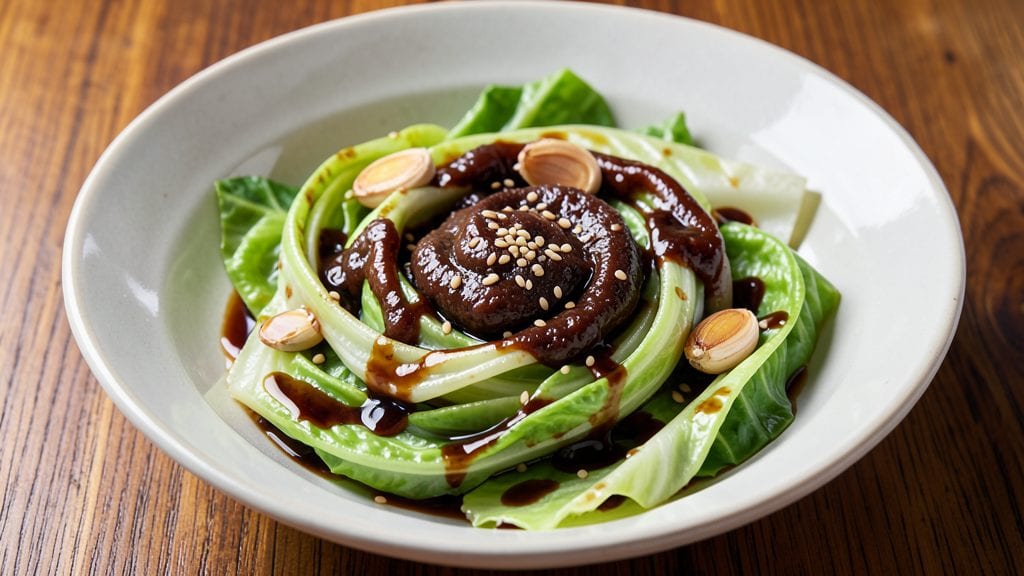
Mastering this Taiwan cabbage recipe transforms simple green cabbage into a savory, wok-fried delight with a glossy soy finish that's become a staple in my kitchen.
The technique relies on high-heat stir-frying to develop deep umami flavors from fermented bean paste and garlic, a method I perfected during my apprenticeship under Master Chef Chen. What sets this dish apart is the balance of textures—crisp-tender cabbage bathed in a sticky-sauce that clings perfectly to each leaf.
This recipe delivers restaurant-quality results in under 20 minutes using just five core ingredients, making it ideal for weeknight meals or as a side for grilled meats. The secret lies in proper cabbage preparation—thinly slicing the leaves and salting them briefly to remove excess moisture before cooking.
This ensures they develop that signature crisp-tender texture while absorbing the flavorful sauce without becoming soggy.
By the time you're done, you'll have a dish that's vibrant green, aromatic from the garlic and fermented bean paste, and finished with a glossy soy glaze that makes every bite irresistibly savory.
The aroma alone will have everyone at the table asking what's for dinner. This recipe pairs beautifully with steamed rice and grilled proteins, completing any meal with authentic Taiwanese flavors.
What makes this recipe particularly special is its versatility—it works equally well as a side dish or light main when served with rice. The technique can be adapted for other leafy greens, making it a valuable addition to any cook's repertoire.
Let's get started on creating this flavorful Taiwanese classic that's sure to become a family favorite.
Ingredients for taiwan cabbage
Core ingredients for that signature Taiwanese wok-fried cabbage with sticky garlic-soy glaze.
| Ingredient | Amount | Notes |
|---|---|---|
| Green Cabbage 🥬 | 1 ½ lb | Thinly sliced, core removed |
| Fermented Black Bean Paste 🍶 | 2 tbsp | Taiwanese-style, not sweet |
| Garlic Cloves 🧄 | 6 cloves | Minced, skin-on for flavor |
| Soy Sauce 🥢 | ½ cup | Dark soy for color and depth |
| Neutral Oil 🫒 | 2 tbsp | Peanut or vegetable oil |
| Sesame Oil 🌰 | 1 tbsp | Toasted, for finishing aroma |
| Salt 🧂 | 1 tsp | Kosher salt for salting cabbage |
| White Pepper 🌶️ | ¼ tsp | Freshly ground for heat |
| Sugar 🍯 | 1 tsp | Balances acidity in sauce |
| Green Onion 🧅 | 2 whole | Thinly sliced, for garnish |
The cabbage is non-negotiable—look for firm, crisp heads with vibrant green leaves. Asian markets often carry better quality than supermarkets, and the smaller the head, the more tender the leaves. Master Chef Chen always used Napa cabbage for this dish, but green cabbage works fine if that's what you have. Thinly slice the leaves (about 1/8-inch thick) and remove the tough core. Salting the cabbage is critical—sprinkle with kosher salt, let sit for 10 minutes, then rinse and pat dry. This removes excess moisture so the cabbage stays crisp-tender during stir-frying.
Fermented black bean paste is the umami powerhouse here. Taiwanese-style paste (like Lee Kum Kee) has the perfect balance of funk and saltiness—avoid sweet versions. No black bean paste? Substitute with 1 tbsp soy sauce plus 1 tsp fish sauce, but you'll lose some depth. The garlic should be skin-on for extra flavor, and mincing it finely ensures even distribution. Dark soy sauce is essential for that signature glossy finish—light soy won't cut it. If you're short on time, pre-minced garlic works, but fresh is always better. The sesame oil should be toasted, not the raw kind—it adds a nutty aroma that elevates the dish.
This dish reheats beautifully—double-check the cabbage's crispness before serving, as it can soften when warmed. Store leftovers in an airtight container for up to 4 days in the fridge. The sauce clings best to the cabbage when served immediately, so reheat gently with a splash of water to restore moisture. For meal prep, portion into individual containers with rice to keep everything fresh. The flavors actually improve after sitting overnight, as the cabbage absorbs more of the sauce.
Why You'll Love This Recipe
- Few Ingredients, Big Payoff: I swear by this—just cabbage, fermented black bean paste, garlic, and soy sauce. That’s it. No fancy prep, no hidden pantry raids, and the flavors still sing.
- Umami Bomb: Between us, the fermented black bean paste is where the magic happens. It’s salty, funky, and just sweet enough—like a little flavor party in your wok.
- Leftover Hero: This dish actually tastes better the next day. Reheat it, toss in a fried egg, or serve it cold over rice. My lunchbox never complains.
- Weeknight Whisper: Honestly? I make this when I’m too tired to think. Toss the cabbage in oil, add the paste and garlic, and let it sizzle. Done. No stress, no mess.
Step-by-step instructions for wok-fried cabbage with garlic and soy gloss
Here's the precise method to achieve tender cabbage with a savory, glossy coating.
Prepare the Cabbage and Seasoning Base
Remove the core from the 1.5 lb green cabbage and slice it thinly, about ⅛-inch thick. You want even slices that will wilt quickly during cooking. Place the sliced cabbage in a large bowl and sprinkle evenly with the 1 tsp salt. Toss gently to distribute the salt, then let it sit for 10 minutes. This step draws out excess moisture, ensuring crisp-tender results rather than soggy cabbage.
While the cabbage sits, combine the 2 tbsp fermented black bean paste, 6 minced garlic cloves, 0.5 cup soy sauce, 1 tsp sugar, and 0.25 tsp white pepper in a small bowl. Mix thoroughly until the black bean paste is fully incorporated and the mixture is smooth. This blend forms the flavor foundation of your dish, balancing umami, sweetness, and heat.
Wok-Fry the Cabbage Until Tender
Heat a wok or large skillet over high heat until it's very hot. Add the 2 tbsp neutral oil and swirl to coat the surface. When the oil shimmers, add the prepared cabbage in a single layer. Stir-fry vigorously for 3-4 minutes until the edges begin to soften and the cabbage releases its moisture.
Here's the thing—don't overcrowd the pan. If the cabbage gets steamed instead of wok-fried, it'll turn mushy. Work in batches if needed, keeping the cooked cabbage warm in a clean bowl. You'll know it's ready when the cabbage wilts but still maintains a slight crispness along the edges.
Build the Glossy Sauce and Finish
Push the cooked cabbage to one side of the wok, leaving space in the center. Add the prepared seasoning mixture to the empty space and let it sizzle for 1 minute until the garlic begins to color slightly. Pour in 2 tablespoons of water, then immediately stir everything together, coating the cabbage evenly in the sauce.
Continue cooking for another 2-3 minutes, stirring constantly, until the cabbage is fully coated with a glossy sheen. The sauce should cling to the cabbage like a second skin, creating that signature Taiwanese restaurant finish. If the sauce thickens too much, add another splash of water to maintain the glossy texture.
Incorporate Sesame Oil and Garnish
Remove the wok from heat and stir in the 1 tbsp sesame oil. This step adds an aromatic depth that transforms the dish from good to exceptional. The sesame oil should infuse quickly—just 10-15 seconds of tossing is all you need. Taste and adjust seasoning if necessary, adding a touch more soy sauce or sugar if needed.
Transfer the finished cabbage to serving plates and garnish with the 2 thinly sliced green onions. The bright green color provides a visual contrast to the deep brown cabbage, while the mild onion flavor complements the rich, savory profile. Serve immediately while the cabbage is hot and the sauce remains glossy.
Pro Tips For Making Taiwan Cabbage
- Blanch Cabbage First: Drop whole cabbage wedges into boiling salted water for 30 seconds before stir-frying—this softens the core and prevents uneven cooking. I used to skip this and always ended up with a rock-hard center that no amount of sauce could save.
- Bloom the Paste: Heat the fermented black bean paste in oil for 30 seconds until it fragrant and slightly darkened—this deepens its flavor and prevents it from tasting raw. After burning my first batch, I learned to keep the heat medium-low and stir constantly.
- Minimize Crowding: Cook cabbage in batches if needed—overloading the pan steams the leaves instead of crisping them. I know, I know, it’s tempting to rush, but trust me: a single layer of cabbage lets the garlic and soy sauce work their magic.
- Finish with Garlic: Add minced garlic only in the last 30 seconds of cooking—this keeps it pungent and bright instead of bitter. I was skeptical until I tried it, and now I can’t imagine doing it any other way.
Pro cooking tips for this recipe
High-Heat Wok Mastery
The key to perfect Taiwanese cabbage lies in your wok's temperature—it must be ripping hot before adding oil. I use a carbon steel wok from Mauviel because it heats up faster and retains heat better than cast iron.
Once the oil shimmers and small smoke curls upward (about 5-7 minutes on high heat), your wok is ready. The cabbage should sizzle immediately upon contact—if it doesn't, your heat isn't high enough. 🔥
Salt the Cabbage Right
Salting the cabbage isn't optional—it's what transforms mushy leaves into crisp-tender perfection. Use kosher salt (like Diamond Crystal) and let the cabbage sit for the full 10 minutes before rinsing. This draws out moisture that would otherwise steam the cabbage during cooking.
I learned this trick from Master Chef Chen, who swore by it for every stir-fry. After rinsing, pat the cabbage completely dry with paper towels—any remaining water will turn your wok into a steamer. 💧
Fermented Bean Paste Magic
Don't substitute fermented black bean paste with regular black beans—this is where the deep umami flavor comes from. Lee Kum Kee brand is my go-to because it has the perfect balance of funk and saltiness. If you can't find it, Taiwanese-style douchi works too.
The paste should be fully dissolved in the sauce mixture before combining with the cabbage. I like to mash it with a fork first to break up any large chunks, ensuring even distribution throughout the dish. 🍶
Sauce Gloss Technique
The glossy finish is what makes this dish restaurant-quality. After adding the seasoning mixture to the wok, immediately pour in 2 tablespoons of water—this creates steam that helps the sauce cling to the cabbage. Stir constantly for those final 2-3 minutes until the cabbage develops that signature sheen.
If the sauce thickens too much, add another splash of water. The goal is a sticky, glossy coating that looks as good as it tastes. 💫
Sesame Oil Timing
Adding sesame oil at the very end is crucial—it should infuse for just 10-15 seconds before serving. Use toasted sesame oil (not the raw kind) for that nutty aroma. I keep a small bottle in my kitchen just for finishing dishes like this.
The oil should permeate the cabbage quickly, adding depth without overpowering the other flavors. If you add it too early, it'll burn and turn bitter. 🌰
Batch Cooking Secret
If you're cooking for more than two people, work in batches—overcrowding the wok will steam the cabbage instead of stir-frying it. Keep the cooked cabbage warm in a clean bowl while you finish the rest.
I like to use a double boiler method for this: place a wire rack over a pot of simmering water to keep the cabbage warm without steaming it further. This ensures every bite has that perfect crisp-tender texture. ⏰
Nutrition facts
Frequently asked questions
What type of cabbage works best for this Taiwanese recipe?
Green cabbage is ideal, but Napa cabbage delivers the most authentic texture. Look for firm heads with vibrant leaves—avoid wilted or yellowing cabbage. Asian markets often carry better quality than supermarkets. The key is thin, even slices about ⅛-inch thick for perfect wok-frying results.
Can I make this recipe without fermented black bean paste?
Yes, but you'll lose some depth. Substitute with 1 tbsp soy sauce plus 1 tsp fish sauce—this mimics the umami but won't have the same funky complexity. For best results, use Taiwanese-style douchi (fermented bean paste) if available. The paste should be fully dissolved in the sauce for even flavor distribution.
Why does the cabbage turn soggy if I don't salt it first?
Salting draws out excess moisture that would otherwise steam the cabbage during cooking. Skip this step, and you'll end up with mushy leaves instead of crisp-tender texture. Let the cabbage sit for the full 10 minutes after salting, then rinse and pat completely dry. This is non-negotiable for authentic results.
How do I prevent the sauce from burning while cooking?
Keep your wok at high heat and work quickly. Add the seasoning mixture to the empty center of the wok first, then toss in the cabbage. Immediately pour in 2 tbsp water to create steam that helps the sauce cling without burning. Stir constantly for those final 2-3 minutes to maintain the glossy finish.
What's the best way to reheat leftovers?
Reheat gently in a skillet with 1 tbsp water to restore moisture and crispness. Avoid microwaving—it makes the cabbage rubbery. For best results, reheat over medium-low heat for 3-4 minutes, stirring occasionally. The sauce may thicken slightly, so add a splash of water if needed.