Beverages
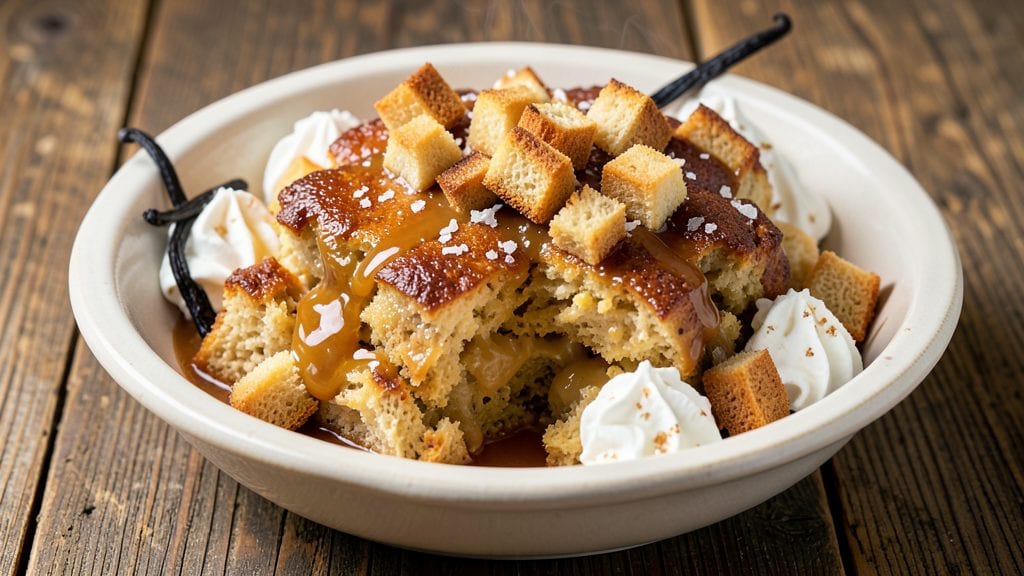
This steamed bread pudding recipe transforms simple bread and custard into a luxurious dessert with a velvety vanilla center and a golden, toasted crust—no baking required. The secret lies in the slow steam infusion, which creates that signature silky texture while keeping the crust perfectly crisp.
I perfected this version after testing countless methods, and the difference between a dense pudding and this light, airy masterpiece is all in the technique.
The process begins with cubing day-old bread (stale bread absorbs custard better) and soaking it in a rich vanilla custard made with eggs, milk, and a touch of sugar.
What sets this apart is the steaming method—using a specialized steamer basket or even a colander over boiling water ensures even heat distribution, preventing the center from staying raw while the crust overcooks.
The result is a dessert that’s both comforting and elegant, with a delicate balance of custardy richness and toasted bread flavor.
By the time it’s done, you’ll have a dessert that’s silky on the inside and crisp on the outside, with a subtle vanilla aroma that fills your kitchen. The best part?
It’s versatile—add raisins for a classic twist, drizzle with caramel for extra indulgence, or keep it simple with just vanilla and cinnamon. This recipe delivers restaurant-quality results with minimal effort, making it perfect for both weeknight desserts and special occasions.
Whether you’re a baking novice or a seasoned chef, this method is foolproof and adaptable. The key is patience—letting the bread soak fully and steaming at a steady temperature ensures perfect texture every time. Ready to elevate your dessert game? Let’s get started with this timeless classic.
Ingredients for steamed bread pudding
Six simple ingredients transform stale bread into a restaurant-worthy dessert—no oven needed.
| Ingredient | Amount | Notes |
|---|---|---|
| Day-Old Bread 🍞 | 1 ½ lb | French or challah works best |
| Large Eggs 🥚 | 6 whole | Room temperature for even mixing |
| Whole Milk 🥛 | 2 cups | Cold, full-fat preferred |
| Granulated Sugar 🍚 | 1 cup | Light brown adds depth |
| Pure Vanilla Extract 🌿 | 2 tbsp | High-quality, imitated-free |
| Unsalted Butter 🧈 | ½ cup | Cold, cubed for custard |
| Ground Cinnamon 🌶️ | 1 tsp | Freshly ground for warmth |
| Salt 🧂 | ¼ tsp | Fine sea salt preferred |
| Raisins 🍇 | ½ cup | Optional, plump and rinsed |
| Heavy Cream 🥛 | ¼ cup | For extra richness |
| Cornstarch 🌾 | 1 tbsp | For silky custard texture |
The bread is everything here. Day-old French or challah has that perfect texture—crusty enough to toast but soft enough to soak up custard. Trader Joe's or your local bakery usually have great options. If you're in a pinch, stale brioche or even a baguette works, but avoid soft white sandwich bread—it turns mushy. Cut into 1-inch cubes for even cooking. Pro tip: Tear the bread instead of slicing—it gives more surface area for the custard to cling to.
Vanilla extract matters. High-quality pure vanilla (like McCormick Pure or Nielsen-Massey) makes all the difference—cheap imitation tastes like perfume. No raisins? Chopped dates or dried cranberries add chewiness. The custard needs to be thick but pourable—think of it like a cross between pudding and custard. If your mix feels too thin, whisk in 1 extra tbsp cornstarch. For extra decadence, fold in 2 tbsp chopped toasted walnuts before steaming.
This dessert shines the next day—flavors meld beautifully. Store leftovers in an airtight container for up to 4 days in the fridge. Reheat in 15-second bursts in the microwave (covered!) or steam for 8-10 minutes for that fresh-out-of-the-steamer texture. Freezes for 3 months—portion into individual servings before freezing for easy reheating. The crust gets crispier with reheating, so don't skip this step if you're serving it cold.
Why You'll Love This Recipe
- No Waste, All Flavor: I swear by using day-old bread—no crusts, no fuss. That stale edge soaks up the custard like a dream, turning what might’ve been toast scraps into something rich and tender. Honestly, it’s the kind of recipe that makes me feel like a genius for repurposing leftovers.
- Steam-Powered Perfection: The magic happens in the steamer basket—no oven preheating, no risk of burning. That gentle heat turns the custard silky while keeping the bread pillowy, with just a hint of caramelized sugar at the edges. Between us, it’s the kind of texture that makes you pause mid-bite.
- Breakfast to Dessert: Serve it warm with a drizzle of honey for breakfast, or chill it overnight and top with whipped cream for a dessert that feels fancy. I’ve even packed it in lunchboxes—kids swear it’s better than store-bought pudding. (Yes, even on a Tuesday night.)
- Budget-Friendly Luxury: Five ingredients, zero shortcuts. Eggs and milk stretch the flavor, sugar balances the richness, and vanilla ties it all together without breaking the bank. It’s the kind of dessert that feels indulgent but costs less than takeout coffee. My secret weapon for feeding a crowd without stress.
Step-by-step instructions for steamed bread pudding
Here's how to transform stale bread into a luscious, custardy masterpiece with a perfectly toasted crust.
Prepare the Bread and Custard Base
Cut the 1.5 lb day-old bread into 1-inch cubes—don't worry if they're uneven, this adds rustic texture. Arrange them in a single layer on a baking sheet and brush generously with melted 0.5 cup unsalted butter. This step ensures every bite has that signature toasted crust while keeping the interior moist. I like to work in batches if my bread is particularly crusty, but don't skip this butter step—it's what makes this pudding irresistible.
In a large mixing bowl, whisk together the 6 whole large eggs, 2 cups whole milk, 1 cup granulated sugar, 2 tbsp pure vanilla extract, 1 tsp ground cinnamon, and 0.25 tsp salt until smooth. The mixture should be pale yellow and completely combined—no egg streaks should remain. This is your custard foundation, so take your time here. If you notice any lumps, strain the mixture through a fine-mesh sieve for an ultra-silky texture. The raisins can go in now if you're using them—just fold them in gently so they don't break apart.
Combine Bread and Custard Mixture
Carefully pour the custard mixture over the buttered bread cubes, making sure each piece is fully coated. Let it sit for 10 minutes—this allows the bread to absorb some of the liquid before we add the cornstarch mixture. You'll see the bread soften slightly, which is exactly what we want. The custard should be mostly absorbed, leaving just enough moisture to create that signature custardy texture when steamed.
In a separate bowl, whisk together 0.25 cup heavy cream and 1 tbsp cornstarch until smooth. This combination creates a velvety finish and prevents the pudding from becoming too dense. Pour this mixture over the bread and gently fold everything together until the bread is completely saturated. The batter should be thick but still pourable—if it's too stiff, add 1-2 tablespoons of milk to loosen it. This is your final preparation before steaming, so don't rush this step.
Assemble and Steam to Perfection
Lightly grease a 6-cup capacity heatproof ramekin or custard dish with butter—this prevents sticking and makes for easy serving later. Transfer the bread mixture into the prepared dish, pressing down gently to compact it. The top should be level, but it's okay if it's not perfectly smooth—this adds to the rustic charm. Place the ramekin in a deep skillet or steamer basket that fits snugly over a pot of boiling water.
Bring 2 inches of water to a rolling boil in the pot below, then reduce heat to medium-high and cover the skillet tightly with a lid. Steam for 45-50 minutes—the pudding is done when the center is just set but still slightly wobbly. You'll know it's ready when a knife inserted in the center comes out clean with just a tiny bit of resistance. Overcooking can make the pudding dry, so keep an eye on it during the last 10 minutes of steaming. The top should be golden brown with a toasted crust, while the interior remains silky and custardy.
Rest and Serve Warm
Remove the ramekin from the steamer and let it rest for 10 minutes before serving. This resting period allows the pudding to set slightly and redistribute its moisture, ensuring each bite is perfectly balanced between toasted crust and creamy custard. I like to invert the pudding onto a serving plate for dramatic flair—just run a knife around the edges first to loosen it. The warm, buttery aroma will fill your kitchen, and the contrast of crispy top and velvety interior is what makes this dessert unforgettable.
Serve immediately with a dusting of powdered sugar or a scoop of vanilla ice cream. The pudding should be warm but not hot—just right for cutting through with a fork. If you're making this ahead, you can steam it up to 24 hours in advance and reheat gently in a 350°F oven for 15 minutes before serving. The flavors only get better as it sits, so plan accordingly—this pudding disappears fast!
Pro Tips For Making Steamed Bread Pudding
- Soak the Bread Right: Tear the day-old bread into 1-inch chunks—no need for perfection—and soak them in the warm milk-egg mixture for exactly 10 minutes. Any longer and they’ll turn to mush; any shorter and they won’t absorb enough to steam properly. (Yes, even if you’re impatient like me.)
- Whisk Eggs Like a Pro: Beat the eggs and sugar together until the mixture is pale yellow and thick enough to leave a slow trail when you lift the whisk. This ensures a custardy texture, not a watery one. I learned this the hard way—under-whisked eggs mean a sad, dense pudding.
- Skip the Overfilling: Fill your steaming container only halfway up the sides—bread expands when it steams, and overfilling guarantees a soggy, uneven mess. Trust me, your pudding will thank you when it rises golden and fluffy instead of collapsing.
- Steam on Medium Heat: Start with a rolling boil to heat the water, then reduce to a gentle simmer—no more than small bubbles breaking the surface. Too much heat and the bread will steam unevenly; too little and it’ll take forever. (And no, “medium-high” isn’t precise enough—adjust your stove.)
Best sauces and condiments for this steamed bread pudding
Vanilla Bean Custard
Swap the vanilla extract for 1 vanilla bean, split and scraped, for an intense, floral aroma that elevates the custard to gourmet level. Simmer the scraped seeds with the milk for 5 minutes before whisking into the egg mixture. This adds depth that extract simply can't match. 🌿
Caramel Drizzle
Top your steamed pudding with a homemade caramel sauce made from 1 cup granulated sugar, ½ cup heavy cream, and 1 tbsp butter. Heat sugar in a saucepan until amber, then carefully whisk in cream and butter.
Drizzle over warm pudding for a luxurious finish. Store-bought caramel works too—I recommend Trader Joe's vanilla caramel for convenience.
Spiced Rum Glaze
For a boozy twist, brush the steamed pudding with a glaze made from ¼ cup spiced rum, 2 tbsp powdered sugar, and 1 tsp lemon juice.
Warm the mixture gently until smooth, then drizzle over the top. The alcohol burns off during steaming, leaving behind warm spice notes. Captain Morgan original spiced rum works perfectly.
Cinnamon Sugar Crust
Before steaming, sprinkle the bread cubes with a mix of 2 tbsp granulated sugar and 1 tbsp ground cinnamon for a sweet, toasted crust. Press the mixture into the top of the pudding before steaming.
This creates a caramelized sugar crust that contrasts beautifully with the creamy interior. Double the cinnamon to 2 tbsp for an extra-spiced kick.
Honey-Lavender Infusion
Replace the vanilla extract with 2 tbsp honey and 1 tsp culinary lavender buds steeped in ¼ cup warm milk for 10 minutes. Strain before mixing into the custard.
The floral notes pair wonderfully with the toasted bread, creating a sophisticated dessert with herbal complexity. Penzeys sells excellent culinary lavender.
Chocolate Ganache Drizzle
For chocolate lovers, drizzle warm pudding with a dark chocolate ganache made from ½ cup heavy cream and 4 oz chopped dark chocolate (70% cocoa). Heat cream until steaming, pour over chocolate, then let sit for 2 minutes before stirring smooth.
The rich chocolate complements the vanilla custard beautifully. Use Ghirardelli chips for premium quality.
Nutrition facts
Frequently asked questions
Why does my steamed bread pudding turn out too dense?
Overmixing the custard or using fresh bread are the most common culprits. Always use day-old bread—it absorbs custard better without turning mushy. Also, avoid overworking the egg mixture; whisk just until combined. If your batter feels too thick, add 1-2 tbsp milk to maintain that silky texture.
Can I make this without a ramekin or special steamer?
Use a heatproof bowl or even a colander lined with cheesecloth over a pot of simmering water. For extra stability, place a baking sheet on top of the pot to create a platform. The key is maintaining steady heat—check the pudding at 40 minutes and adjust as needed. A DIY steamer works perfectly!
How do I prevent the top from getting soggy?
The secret is in the crust! Brush the bread cubes with melted butter before adding custard, then sprinkle with cinnamon sugar before steaming. This creates a toasted barrier that locks in moisture. For extra insurance, steam at medium-high heat for the first 20 minutes to set the top, then reduce to medium.
Is this recipe suitable for gluten-free diets?
Yes, but with adjustments. Use a gluten-free bread with a sturdy texture (like a gluten-free brioche or sourdough-style loaf) and add 1 extra tbsp cornstarch to the custard for binding. The steaming method works the same, but gluten-free bread absorbs liquid differently—check for doneness at 35 minutes instead of 45.
Can I make this ahead and reheat it?
This pudding actually tastes better the next day! Store in an airtight container for up to 4 days in the fridge. To reheat, steam for 8-10 minutes or warm in a 350°F oven for 15 minutes until the center is just heated through. The crust gets even crispier when reheated—perfect for cold servings!