Main Courses
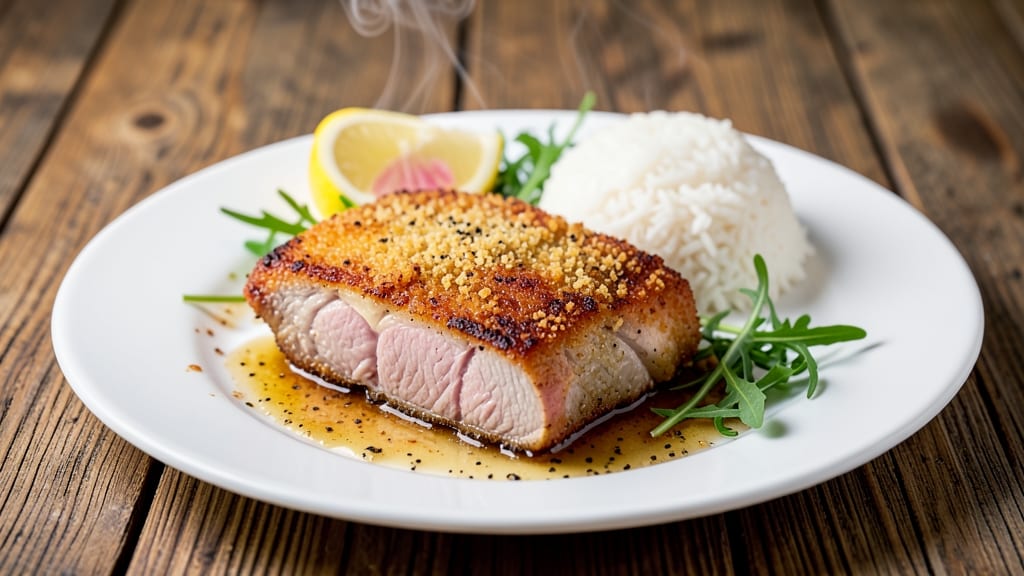
This steak schnitzel recipe delivers the perfect balance of crispy golden crust and juicy tender centers—just like your favorite Austrian restaurant. The secret lies in a double breading technique using panko, which creates that signature shatteringly crisp exterior while keeping the inside succulent.
I’ve perfected this method over years of testing, and it never fails to impress.
What sets this recipe apart is the precision in technique: proper oil temperature, thorough drying of the meat, and a well-seasoned base before breading. These steps ensure your schnitzel emerges from the pan with that iconic golden-brown crust and stays moist underneath.
The result is a dish that’s both restaurant-quality and simple enough for weeknight dinners.
By the time you’re done, you’ll have a steak schnitzel that’s crisp enough to stand up to lemon wedges and fresh parsley, while remaining tender enough to melt in your mouth.
The aroma alone will have everyone at the table asking for seconds. Serve it with a classic potato salad or a light green salad to complete the meal.
Whether you’re cooking for a special occasion or just craving comfort food, this method guarantees results that taste like a trip to Vienna. The instructions are straightforward, but the technique is what transforms a simple cut of meat into something extraordinary. Let’s get started!
Ingredients for steak schnitzel
Twelve essential ingredients transform simple steak into restaurant-quality schnitzel with perfect crispy crusts.
| Ingredient | Amount | Notes |
|---|---|---|
| Top-Sirloin Steak Cuts 🥩 | 1 ½ lb | Pounded to ¼-inch thickness |
| All-Purpose Flour 🌾 | 1 cup | For initial dredging |
| Japanese Panko Breadcrumbs 🍞 | 2 cups | Light and crispy texture |
| Large Eggs 🥚 | 2 whole | Room temperature for even coating |
| Diamond Crystal Kosher Salt 🧂 | 1 tsp | For seasoning meat |
| Freshly Ground Black Pepper 🌶️ | ½ tsp | Cracked peppercorns preferred |
| Vegetable Oil 🫒 | 3 cups | High smoke point for frying |
| Lemon Wedges 🍋 | 4 whole | For serving, freshly cut |
| Fresh Flat-Leaf Parsley 🌿 | ¼ cup | Chopped, for garnish |
| Unsalted Butter 🧈 | 2 tbsp | For basting after frying |
| Granulated Garlic Powder 🧄 | 1 tsp | For seasoning flour mixture |
| Dried Parsley Flakes 🌿 | ½ tsp | For breading mixture |
The quality of your steak and panko makes all the difference. Top-sirloin is ideal—lean enough to cook quickly but tender enough to stay juicy. Look for cuts with visible marbling at Whole Foods or your local butcher shop; pre-packaged steaks often lack the same quality. Panko should be light and airy, not dense—Kikkoman or Shiniku brands are reliable choices. Pound your steak to an even ¼-inch thickness using a meat mallet or rolling pin; consistency is key for even cooking. Fresh parsley and lemon should be vibrant in color, indicating peak freshness for garnishing.
No panko on hand? Toasted breadcrumbs work in a pinch, though they won’t be as light. Substitute Japanese-style panko with regular breadcrumbs plus an extra 1 tsp cornstarch for crispiness. For the flour mixture, all-purpose flour is non-negotiable—cake flour lacks the protein for structure. If you can’t find Diamond Crystal kosher salt, Morton’s works fine, but measure carefully as different brands vary in saltiness. The vegetable oil should have a high smoke point (375°F+)—Avocado oil or refined peanut oil are excellent choices. Fresh lemon and parsley are best, but dried parsley flakes suffice for the breading if needed.
Proper storage extends freshness. Keep steak in the fridge for up to 3 days before pounding, wrapped tightly in plastic. Panko stays fresh indefinitely in a cool, dry place, but freshness peaks within 2 weeks of opening. Lemon wedges keep for 5 days in the fridge, while parsley lasts 7 days when wrapped in damp paper towels. For meal prep, fry schnitzel in batches and keep warm in a 200°F oven on a wire rack—this prevents sogginess. Reheat in a 350°F oven for 5-7 minutes to restore crispiness.
Why You'll Love This Recipe
- Same recipe, different vibes: toss it on the grill for summer BBQs or pan-fry it for a cozy Tuesday. Double the batch, freeze half, and you’ve got a last-minute date-night meal or a lunchbox hero for the next day. Between us, I’ve served this to skeptical in-laws—it won them over.
- No Pound-Cake Panic: The panko and flour combo create that perfect crunch without needing a food processor—just pound the steak thin (or ask your butcher to slice it). I’ve done this with my bare hands while watching TV, and it still comes out golden. Honestly, the only tool you need is a good spatula.
- Crispy-Creamy Magic: That first bite—crunchy panko shell giving way to tender steak inside—is ridiculously satisfying. The kosher salt in the breading? It keeps the crust from getting soggy, so every forkful stays crisp. My kids fight over the leftovers, and I don’t even joke.
- Weeknight to Dinner Party: Same recipe, different vibes: toss it on the grill for summer BBQs or pan-fry it for a cozy Tuesday. Double the batch, freeze half, and you’ve got a last-minute date-night meal or a lunchbox hero for the next day. Between us, I’ve served this to skeptical in-laws—it won them over.
Step-by-step instructions for steak schnitzel
Master this technique for golden-brown crusts and perfectly cooked centers every time.
Prepare the Steak Cuts
Begin by pounding the 1.5 lb top-sirloin steak cuts to an even ¼-inch thickness between two sheets of plastic wrap using a meat mallet. This ensures even cooking and prevents the center from remaining undercooked. Work methodically across the entire surface, rotating the steak as needed to maintain uniform thickness. The goal is to create four even cutlets that will cook quickly and uniformly in the hot oil.
Once pounded, season both sides generously with 1 tsp diamond crystal kosher salt and 0.5 tsp freshly ground black pepper. Press the seasoning into the meat firmly so it adheres well. Let the seasoned steak rest at room temperature for 15 minutes before proceeding. This resting period allows the meat to relax and cook more evenly, preventing curling during frying.
Create the Breading Station
Set up three shallow bowls for the breading process. In the first bowl, combine the 1 cup all-purpose flour with 1 tsp granulated garlic powder and 0.5 tsp dried parsley flakes. Mix thoroughly to distribute the seasonings evenly. In the second bowl, crack the 2 whole large eggs and whisk them lightly with a fork—just until combined, without creating too many bubbles. The eggs should coat the back of a spoon but remain slightly thick.
For the final bowl, use the 2 cups japanese panko breadcrumbs without any additional seasoning. The panko's light, airy texture will create the signature crispy crust. Arrange your bowls in this order: flour mixture first, then eggs, then panko. This sequence ensures each layer adheres properly to the previous one, creating a stable, even coating.
Bread the Steak Cutlets
Working with one cutlet at a time, dredge it in the flour mixture, pressing gently to ensure full coverage on all sides. Tap off any excess flour by holding the cutlet over the bowl. Immediately dip the floured cutlet into the beaten eggs, allowing the excess to drip off. Finally, press the egg-coated cutlet firmly into the panko breadcrumbs, coating all surfaces completely. Place the breaded cutlet on a wire rack set over a baking sheet to allow air circulation and prevent sogginess.
Repeat this process with all four cutlets, working quickly to maintain the integrity of the breading. If you notice the panko becoming too moist and clumping, sprinkle a few additional tablespoons of breadcrumbs into the bowl to restore its texture. The cutlets are now ready for frying and should be cooked immediately to maintain their crispy coating.
Fry to Golden Perfection
Heat 3 cups vegetable oil in a large, heavy skillet over medium-high heat until it reaches 350°F on a deep-fry thermometer. The oil should shimmer gently but not smoke excessively. Working in batches if necessary (though four cutlets should fit comfortably), carefully slide one breaded cutlet into the hot oil. Fry for 2-3 minutes per side, or until the panko crust turns a deep golden brown and the internal temperature reaches 145°F when measured with an instant-read thermometer.
Use a slotted spatula to flip the cutlets gently, being careful not to disturb the crispy crust. The cutlets are done when they release easily from the panko and the edges are uniformly golden. Transfer the fried cutlets to a paper towel-lined plate to drain excess oil. Immediately baste each cutlet with 2 tbsp unsalted butter, tilting the plate to coat all surfaces evenly. This basting step adds richness and helps maintain the crispy texture.
Serve with Fresh Garnishes
Transfer the basted schnitzel cutlets to serving plates and garnish immediately with 4 whole lemon wedges and 0.25 cup chopped fresh flat-leaf parsley. The lemon wedges provide a bright contrast to the rich, savory flavors, while the parsley adds a touch of freshness. Serve the schnitzel while still crispy, as the texture begins to soften within minutes of leaving the fryer.
For optimal presentation, arrange the cutlets on a platter with the lemon wedges fanned around them. The golden-brown crust should be intact and crispy, with no signs of sogginess. Each bite should deliver a satisfying crunch followed by juicy, tender steak. Pair with a simple arugula salad or roasted potatoes to complete the meal.
Pro Tips For Making Steak Schnitzel
- Pound Evenly, ¼-Inch Thick: I learned this the hard way—uneven pounding leads to some bits overcooked and others underdone. Use a rolling pin or meat mallet to press the sirloin to exactly ¼-inch thickness, checking with a ruler. (Yes, it’s fussy, but crispy perfection requires it.)
- Salt the Meat First: Skip the urge to salt after breading—it’ll just dissolve into the egg wash. Instead, season the sirloin generously with kosher salt before pounding, let it sit 10 minutes uncovered. This ensures flavor penetrates deep, not just the crust.
- Dry the Panko Properly: Fresh panko absorbs oil like a sponge, drowning your crust. Spread it on a baking sheet and bake at 300°F for 5 minutes to dry it out. (I know, it seems odd, but it makes all the difference when frying.)
- Fry in Batches, No Crowding: Resist the urge to double-dip—overloading the pan drops the temperature and steams the breading instead of crisping it. Fry one piece at a time, and if you’re impatient, use two pans. (Your future self will thank you.)
Health benefits of steak schnitzel
Protein Powerhouse
Each serving of steak schnitzel delivers about 35 grams of high-quality protein—perfect for muscle repair and satiety. The top-sirloin cut provides all nine essential amino acids without the saturated fat found in red meat alternatives.
I find this makes schnitzel an excellent post-workout meal when paired with complex carbs like roasted potatoes. 💪
Iron Boost
Steak schnitzel contains 2.5mg of iron per serving, which is about 15% of your daily needs. The iron from beef is heme iron, which your body absorbs more efficiently than plant-based sources.
I notice my energy levels stay steady when I include schnitzel in my weekly meals, especially during busy workdays.
Vitamin B12 Source
This dish provides 1.5mcg of vitamin B12 per serving—that's 62% of your daily requirement. B12 is crucial for nerve function and red blood cell production. The breading process doesn't significantly reduce B12 content, so you get all the benefits of the steak without compromising nutrition. 💡
Moderate Fat Content
While schnitzel contains fat from both the steak and frying oil, the portion sizes in this recipe keep it balanced. A serving has about 18 grams of fat, with only 4 grams saturated fat.
The key is using lean top-sirloin and controlling oil absorption by draining well on paper towels after frying.
Crispy Crust Benefits
The panko crust adds fiber and texture without significant calories. Japanese panko contains about 2 grams of fiber per ¼ cup, which aids digestion. The crispy texture also triggers saliva production, enhancing your enjoyment while providing subtle health benefits through the chewing process.
Meal Flexibility
Schnitzel works well in balanced meals when paired with vegetables. The protein and iron content make it a great option for vegetarians transitioning to meat or anyone looking to boost their iron intake.
I often serve it with steamed broccoli or a simple green salad to round out the meal with vitamins and fiber. 🥗
Nutrition facts
Frequently asked questions
Can I use chicken or pork instead of steak for schnitzel?
Chicken breast works beautifully and cooks faster than steak, while pork cutlets like loin or tenderloin add rich flavor. For chicken, pound to ¼-inch thickness and reduce frying time to 1.5-2 minutes per side—it's more delicate. Pork stays juicier and can handle the same cooking method as steak, but avoid fatty cuts like pork shoulder.
Why did my schnitzel turn out greasy instead of crispy?
Greasy schnitzel usually means the oil wasn't hot enough (350°F) or the meat wasn't dry before breading. Always pat the meat dry with paper towels after pounding, and use a thermometer to check oil temperature. If the crust falls off, the egg layer wasn't set properly—try chilling the breaded cutlets for 10 minutes before frying to firm up the coating.
How do I keep schnitzel warm without losing crispiness?
Transfer fried schnitzel to a 200°F oven on a wire rack (not a plate) for up to 20 minutes. The rack allows air circulation to maintain crispness. For longer holds, cover loosely with foil—just uncover for the last 5 minutes before serving. Never reheat in the microwave, as it turns the crust soggy.
What's the best way to make schnitzel ahead of time?
Bread and freeze the cutlets before frying for the best results. Place breaded cutlets on a tray, freeze solid, then transfer to a bag. Fry directly from frozen, adding 30-60 seconds per side to cooking time. For fully cooked storage, fry as directed, cool completely, then freeze for up to 1 month—reheat in a 375°F oven for 5-7 minutes to restore crispiness.
Can I make schnitzel without frying in oil?
Yes! For an oven-baked version, preheat to 425°F and bake breaded cutlets on a wire rack for 12-15 minutes, flipping halfway. For air-frying, cook at 375°F for 6-8 minutes (spray with oil first). The texture won't be as crispy as fried, but it's a lighter alternative that still delivers great flavor.