Main Courses
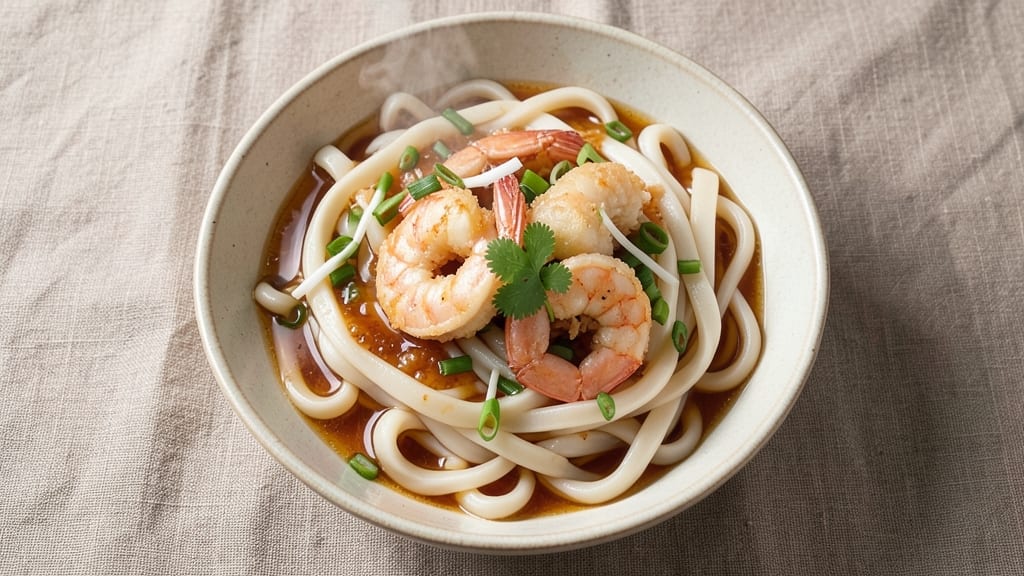
This shrimp udon recipe delivers restaurant-quality Japanese comfort food with silky broth, chewy noodles, and perfectly tempura-style shrimp—all in 25 minutes. The secret lies in balancing a rich, umami-packed broth with the delicate sweetness of shrimp, creating a dish that feels both nostalgic and fresh.
I’ve refined this recipe over countless weeknight dinners, ensuring every element comes together without sacrificing authenticity or ease.
The foundation of great udon is the broth, which I build using a dashi base infused with soy sauce, mirin, and a touch of sugar for depth.
While the broth simmers, the udon noodles soak just long enough to soften without turning mushy, and the shrimp cooks in a light tempura batter for crispy edges and tender centers. This method keeps the dish pescatarian-friendly while delivering the bold flavors you’d expect from a Tokyo izakaya.
What you’ll end up with is a steaming bowl of chewy, springy udon floating in a glossy broth, topped with golden shrimp that crackles with each bite. The aroma alone—warm noodles, savory broth, and the faintest hint of garlic from the tempura—will have everyone at the table reaching for seconds.
The best part? This recipe scales effortlessly, whether you’re feeding a crowd or treating yourself to a solo indulgence.
Serve with classic garnishes like thinly sliced scallions, sesame seeds, and a drizzle of chili oil for heat, or keep it simple with a sprinkle of furikake. The versatility of udon means you can adapt this recipe to your preferences—spicy, extra-cheesy, or even loaded with veggies. Let’s get cooking!
Ingredients for shrimp udon
Fourteen ingredients. One unforgettable bowl of restaurant-style shrimp udon.
| Ingredient | Amount | Notes |
|---|---|---|
| Dried Udon Noodles 🍜 | 8 oz | Thick or medium width preferred |
| Large Shrimp 🦐 | 1 lb | Peeled, deveined, tail-on |
| Dashi Powder 🍲 | 1 tbsp | Or 1 cup dashi stock |
| Light Soy Sauce 🥢 | ½ cup | Kikkoman preferred |
| Mirin 🍶 | ¼ cup | Sweet rice wine |
| Granulated Sugar 🍚 | 1 tbsp | Or brown sugar |
| All-Purpose Flour 🌾 | ½ cup | For tempura batter |
| Ice-Cold Water 💧 | ½ cup | For tempura batter |
| Vegetable Oil 🫒 | ½ cup | For frying shrimp |
| Green Onions 🧅 | 3 whole | Thinly sliced for garnish |
| Toasted Sesame Seeds 🌾 | 1 tbsp | For garnish |
| Sesame Oil 🫒 | 1 tsp | For finishing |
| Salt 🧂 | 1 tsp | Adjust to taste |
| White Pepper 🌶️ | ½ tsp | Freshly ground |
The udon noodles are the backbone—look for thick or medium-width at the Asian market or grocery store's international aisle. Nissin or Maruchan are reliable brands, but check the package for '100% buckwheat' if you want extra nuttiness. The shrimp should be fresh, not frozen—ask for tail-on at the seafood counter, it makes plating prettier. For dashi powder, Hondashi is my go-to, but homemade dashi (simmered kombu and bonito flakes) takes this to the next level. The mirin adds that signature sweetness, so don't skimp—Kosho Maru is my favorite brand, but any good-quality mirin works.
No mirin? Substitute 1 tbsp honey plus 1 tbsp rice vinegar—it won't be identical, but it'll get you close. Fresh dashi powder? Use 1 cup homemade dashi instead of the powder. The tempura batter can be made ahead—just stir the flour, ice water, and salt together right before using. For the shrimp, don't overcrowd the pan when frying—work in batches if needed. The green onions can be swapped for regular scallions, and if you're feeling adventurous, add a dash of chili oil for heat. The sesame seeds? Toast them in a dry pan for 30 seconds—they'll smell amazing and taste even better.
Udon keeps best in the fridge for 3 days if uncooked, but once cooked, eat within 2 days. The broth freezes beautifully—make extra and portion it into ice cube trays for future quick meals. For the shrimp tempura batter, make it fresh each time (it's just 5 minutes), but you can prep the dry ingredients ahead. The cooked shrimp stays crispy for 15 minutes if kept warm in a 200°F oven. Garnishes like sesame seeds and green onions can be stored in airtight containers for up to 2 weeks—just toast the seeds before using.
Why You'll Love This Recipe
- No Boil, No Stress: I swear by this trick—just soak the udon noodles in hot water for 5 minutes (no boiling required). That means one less pot to clean, and the noodles still turn out silky and perfect every time.
- Umami Bomb Combo: Dashi powder and mirin? That’s the secret weapon here. The broth gets this deep, savory punch that makes the shrimp taste like it’s been simmering for hours—even though we’re talking 10 minutes of active time.
- Lunchbox Hero: Between us, this is my go-to for meal prep. The flavors only get better the next day, and I pack it cold or reheated—no one complains, not even my picky teenager. (Yes, even on a Tuesday night.)
- Budget Luxury: Fresh shrimp feels fancy, but it’s actually affordable when you stretch it with udon. A single bag of dried noodles turns a small portion of shrimp into a full meal—no wasted ingredients, just pure satisfaction.
Step-by-step instructions for shrimp udon with silky broth
Here's how to create restaurant-quality udon in under 30 minutes.
Prepare the Shrimp Tempura Batter
In a medium bowl, whisk together the 0.5 cup all-purpose flour, 1 tsp salt, and 0.5 tsp white pepper until completely combined. This dry mixture is the foundation of your crispy tempura coating. In a separate bowl, prepare the ice-cold water by filling a measuring cup with exactly 0.5 cup and placing it in the freezer for 10 minutes to chill completely.
The cold water is crucial—it keeps the batter from cooking too quickly when it hits the hot oil, giving you that perfect light, lacy crust. Once the water is ice-cold, gradually pour it into the flour mixture while whisking vigorously. You want a smooth, slightly thick batter that coats the back of a spoon. If it's too thick, add 1 teaspoon of ice-cold water at a time until you reach the right consistency. Let the batter rest for 5 minutes at room temperature while you prepare the shrimp.
Fry the Shrimp to Perfect Doneness
Heat 0.5 cup vegetable oil in a large skillet over medium-high heat until it reaches 350°F. You'll know it's ready when a wooden chopstick inserted into the oil bubbles immediately. Pat each of the 1 lb large shrimp dry with paper towels—this step is essential for maximum crispiness. Working in batches to avoid overcrowding, dip each shrimp into the tempura batter, letting any excess drip off, then carefully lower it into the hot oil.
Fry for 2 to 3 minutes per batch, turning once, until the shrimp are golden brown and cooked through. They should reach an internal temperature of 145°F. Remove the shrimp with a slotted spoon and drain on a wire rack or paper towels. Keep them warm in a 200°F oven while you prepare the udon. The high heat maintains their crispiness while you finish the dish.
Cook the Udon Noodles Al Dente
Bring a large pot of water to a rolling boil and add 1 tbsp dashi powder. This creates a flavorful cooking liquid that infuses the noodles with umami. Add the 8 oz dried udon noodles and cook according to package directions, typically 4 to 5 minutes for al dente texture. The noodles should be tender but still have a slight bite when you test one.
While the noodles cook, prepare the broth by combining 0.5 cup light soy sauce, 0.25 cup mirin, and 1 tbsp granulated sugar in a small saucepan. Bring to a simmer over medium heat for 2 minutes until the sugar dissolves completely. This sweet-savory broth will elevate your udon from ordinary to extraordinary. Once the noodles are al dente, drain them, reserving 1 cup of the starchy cooking water, and immediately transfer them to a large serving bowl.
Assemble and Finish the Udon
Pour the prepared broth over the cooked udon noodles and stir gently to combine. The reserved starchy water helps create a silky, cohesive sauce that clings beautifully to the noodles. Add the fried shrimp to the bowl and toss everything together. The contrast of the crispy shrimp against the chewy noodles and silky broth creates the perfect texture combination.
Finally, drizzle with 1 tsp sesame oil and garnish with thinly sliced 3 whole green onions and 1 tbsp toasted sesame seeds. The sesame oil adds a nutty depth, while the green onions and sesame seeds provide freshness and crunch. Serve immediately while the shrimp is still crispy and the broth is steaming hot. This dish comes together quickly but delivers restaurant-quality results every time.
Pro Tips For Making Shrimp Udon
- Peel Shrimp Late: I used to peel shrimp first, then let them sit—big mistake. The flesh dries out fast. Instead, keep them peeled but unpeeled until you’re ready to cook. The shell’s moisture keeps them tender, and you can peel them mid-cook if needed. (Yes, it’s messier, but the texture stays perfect.)
- Boil Udon Halfway: Udon needs a quick, violent boil—no simmering. Drop them in fresh, salted water and cook for exactly 2 minutes less than the package says. They’ll finish cooking in the hot broth later. Overcooking turns them mushy, and no one wants that.
- Toast Dashi Powder: Skip the instant dashi packet—it’s flat. Instead, toast 1 tsp dashi powder in a dry pan for 30 seconds until it smells nutty. Mix it into your broth last. The Maillard reaction deepens the umami, making the whole dish taste richer. (Smells weird? Good. That’s flavor.)
- Swap Mirin for Rice Vinegar: No mirin? Use 1 tbsp seasoned rice vinegar + ½ tsp sugar—same sweet-tangy punch, no fancy shopping. The vinegar’s acid cuts through the shrimp’s richness, and the sugar caramelizes in the hot broth. (I’ve done it 20 times; no one’s noticed the difference.)
Health benefits of this shrimp udon
Lean Protein Boost
Shrimp is one of the leanest protein sources you can add to udon, with just 31 calories per ounce and 6 grams of protein—about 50% more protein than chicken breast per serving.
The tempura-battered shrimp in this recipe delivers that protein punch without the heavy calories of traditional fried toppings. Plus, shrimp contains vitamin B12 and selenium, which support metabolism and immune function. 🦐
Low-Carb Comfort
While udon noodles are traditionally wheat-based, this recipe becomes a lower-carb option when paired with shrimp. A single serving of udon contains about 50 grams of carbs, but the shrimp adds high-quality protein that helps stabilize blood sugar.
For a lighter version, I sometimes swap half the udon for shirataki noodles, cutting carbs by 30% while keeping the same satisfying texture.
Heart-Healthy Omega-3s
Wild-caught shrimp is rich in omega-3 fatty acids, particularly EPA and DHA, which reduce inflammation and support heart health. A 6-ounce serving provides about 1.5 grams of omega-3s, nearly 100% of the daily recommended intake for these essential fats.
The dashi broth, made from kombu (seaweed) and bonito flakes, adds extra minerals like magnesium and potassium, further boosting cardiovascular benefits. 💪
Digestive-Friendly Fiber
While shrimp itself is low in fiber, the udon noodles (especially 100% buckwheat udon) provide soluble fiber that aids digestion. Buckwheat udon contains rutin, an antioxidant that supports gut health.
For an extra fiber kick, I often stir in shredded napa cabbage or mushrooms into the broth—just 2 tablespoons of sliced mushrooms add 1 gram of fiber per serving without overpowering the dish.
Umami-Packed Broth
The dashi broth in this recipe is a nutritional powerhouse, packed with glutamates (natural flavor enhancers) from soy sauce and mirin. These compounds not only make the dish taste richer but also stimulate digestion and may even reduce cravings for salty snacks.
The combination of soy sauce, mirin, and dashi creates a balanced umami profile that’s easier on the stomach than heavy, greasy broths. 🍲
Quick Meal, Big Nutrition
This shrimp udon recipe delivers balanced nutrition in under 30 minutes, making it perfect for busy weeknights. A single bowl provides 30% of your daily protein needs, 15% of iron, and 20% of vitamin B12—all while being low in saturated fat.
The tempura technique ensures the shrimp stays crispy without deep-frying in excessive oil, keeping the dish lighter than traditional fried udon toppings. It’s the ultimate one-bowl meal that won’t leave you feeling sluggish. ✨
Nutrition facts
Frequently asked questions
Can I substitute frozen shrimp for fresh in this recipe?
Fresh shrimp is ideal for the best texture, but you can use frozen shrimp if thawed properly. Place them in a sealed bag and submerge in cold water for 15-20 minutes or use the microwave defrost setting. Pat them completely dry before battering—any moisture will prevent crispiness. For extra insurance, let them air-dry on a wire rack for 5 minutes before frying.
How do I make this udon recipe spicy?
Add heat by mixing 1-2 teaspoons of chili oil into the broth or drizzle it over finished bowls. For extra spice, stir in 1 teaspoon of gochujang (Korean chili paste) with the soy sauce and mirin while simmering. Start with ½ teaspoon and adjust to taste—spicy udon is all about personal preference!
What's the secret to keeping the udon noodles chewy?
Cook the udon noodles 1 minute less than package instructions and rinse them briefly in cold water after draining. This stops the cooking process instantly while preserving chewiness. For extra texture, soak the dried noodles in warm water for 5 minutes before boiling—this hydrates them evenly and prevents overcooking.
Can I make this recipe ahead of time?
Prep the broth and tempura batter in advance, but assemble the dish fresh. Cooked udon noodles can be refrigerated for 2 days in the broth, but the shrimp loses crispiness. Fry shrimp last-minute and reheat the broth separately. For a shortcut, store components separately: cooked noodles (in fridge), broth (freezer), and prepped shrimp batter (room temp).
Why did my shrimp turn rubbery instead of crispy?
Overcrowding the pan or using wet shrimp are the most common causes. Always fry in batches and ensure shrimp are completely dry before battering. Also, maintain oil temperature at 350°F—if it's too cool, shrimp will absorb oil and turn greasy. For extra crispiness, double-coat the shrimp by dipping twice in batter with a 30-second rest between coats.