Main Courses
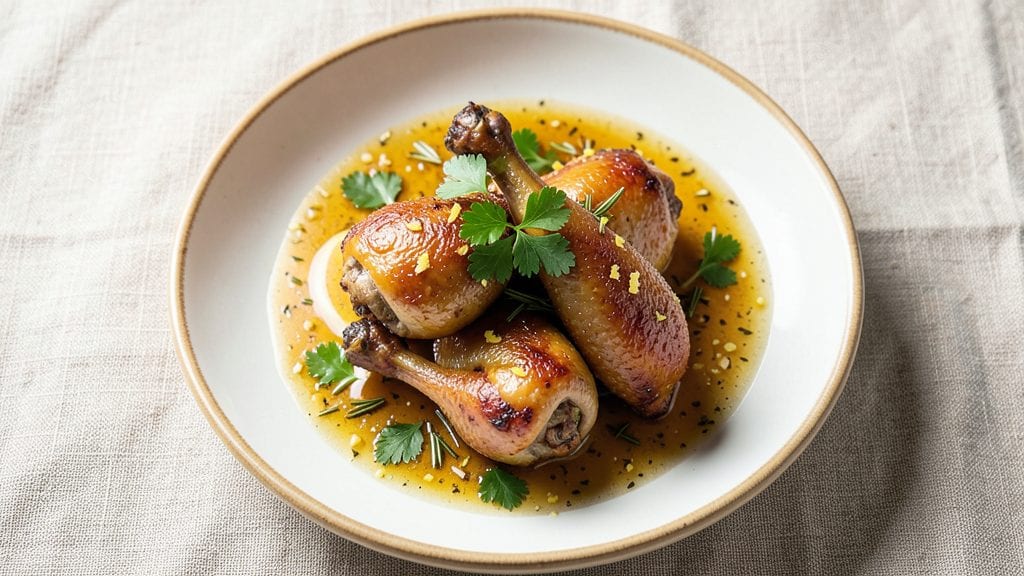
Mastering quail legs recipe with herbed butter and crispy skin transforms a delicate ingredient into a showstopping main course. Standing on a step stool in my grandmother’s kitchen in Sicily, I learned how a simple pan-searing technique could elevate even the smallest bird into something extraordinary.
The secret lies in high heat, precise timing, and that golden herbed butter that melts into every bite.
This recipe delivers restaurant-quality results with just five simple ingredients—quail legs, butter, herbs, salt, and a touch of lemon. The key is searing the skin until it’s shatteringly crisp while keeping the meat tender inside.
My grandmother always said, "The magic happens in the first three minutes,"—and she was right. The herbed butter bastes the quail as it cooks, infusing flavor without overpowering the delicate meat.
By the time you plate these quail legs, you’ll have perfectly golden, crisp-skinned birds with herbed butter pooling around them. The aroma alone will have everyone at the table anticipating the first bite—juicy, flavorful, and impossible to resist.
This is the kind of dish that turns a simple weeknight dinner into a memorable meal.
Pair with roasted seasonal vegetables or a crisp white wine to complete the experience. The technique is straightforward, but the result is anything but ordinary—proof that even small birds can deliver big flavor. Let’s get cooking!
Ingredients for quail legs
Five ingredients transform delicate quail into a restaurant-worthy centerpiece.
| Ingredient | Amount | Notes |
|---|---|---|
| Quail Legs 🦆 | 8 whole | Fresh or thawed, skin-on |
| Unsalted Butter 🧈 | ½ cup | Cold, cubed for herbed butter |
| Fresh Rosemary 🌿 | ¼ cup | Finely chopped, organic preferred |
| Fresh Thyme 🌿 | ¼ cup | Leaves only, stems removed |
| Fresh Parsley 🌿 | ⅛ cup | Flat-leaf, finely chopped |
| Lemon Zest 🍋 | 1 tbsp | From 1 organic lemon |
| Kosher Salt 🧂 | 1 ½ tsp | Fine grain, sea salt alternative |
| Black Peppercorns 🌶️ | ½ tsp | Freshly cracked, coarse grind |
| Extra-Virgin Olive Oil 🫒 | 1 tbsp | High smoke point for searing |
The quail legs are the star—look for fresh, organic birds at specialty markets or high-end grocers like Whole Foods or Eataly. Skin-on is non-negotiable for that shatteringly crisp texture. If using frozen, thaw them in the fridge overnight, never in cold water. The herbs should be vibrant green, not wilted—Trader Joe's often carries pre-bundled fresh herbs that work perfectly. For the butter, opt for European-style unsalted (like Plugrá) if available—it has higher fat content and better flavor. The lemon zest should come from an organic lemon; conventional lemons often have a wax coating that can interfere with flavor.
No fresh rosemary? Dried works at half the amount, but it lacks that bright, piney aroma. Substituting parsley with cilantro is a no-go—the flavors clash. The olive oil is critical; avoid infused oils (like garlic or basil) as they can overpower the delicate quail. For salt, Diamond Crystal kosher salt is ideal—it dissolves more gently than table salt. Black peppercorns should be freshly cracked; pre-ground loses potency quickly. If you're short on time, a mortar and pestle works perfectly for crushing the peppercorns right before cooking.
Fresh herbs keep best in the fridge, wrapped in damp paper towels inside a sealed container for up to 5 days. The herbed butter mixture can be prepped 1 day ahead and stored in the fridge, but bring it to room temperature before using. Quail legs can be refrigerated for 2 days before cooking—pat them dry thoroughly before searing to ensure crispiness. For make-ahead convenience, cook the quail legs up to 2 days in advance, then reheat in a 350°F oven for 10 minutes to restore crispiness.
Why You'll Love This Recipe
- One-Pan Magic: I swear by this recipe when I’m too tired to wash dishes. Just quail legs, butter, and herbs—no fancy gadgets, no stress. Toss everything on a sheet pan, roast, and walk away.
- Herb Bomb Flavor: That combo of rosemary and thyme? It’s like a little French bistro in my kitchen. The butter bastes into crispy skin while keeping the meat tender—every bite tastes like a restaurant dish.
- Weeknight Flex: Make a big batch on Sunday and use them all week. They’re perfect for salads, wraps, or even a quick pasta dish. My kids beg for them cold in sandwiches—yes, really.
- Budget-Friendly Protein: Quail legs are cheaper than chicken thighs but feel way more special. A single batch feeds four, and leftovers reheat beautifully. Honestly, it’s my go-to for impressing guests without breaking the bank.
Step-by-step instructions for pan-seared quail legs with herbed butter
Achieving perfectly crispy skin and tender meat requires precision—follow these steps closely.
Prepare the Herbed Butter and Season the Quail
In a small bowl, combine the 0.5 cup unsalted butter with 0.25 cup chopped fresh rosemary, 0.25 cup chopped fresh thyme, 0.125 cup chopped fresh parsley, 1 tablespoon lemon zest, 1.5 teaspoons kosher salt, and 0.5 teaspoon cracked black peppercorns. Use a fork to mash the herbs into the butter until fully incorporated. This creates a fragrant, aromatic compound that will infuse the quail with flavor while keeping the skin crisp.
Pat the 8 whole quail legs dry with paper towels—this is critical for crispy skin. Season both sides generously with additional kosher salt and black peppercorns if desired. Let them sit at room temperature for 15 minutes while you prepare the pan. Room-temperature quail cooks more evenly, preventing cold spots that can lead to uneven browning.
Sear the Quail Legs for Maximum Crispiness
Heat a large skillet over medium-high heat until it's very hot—you should see a slight shimmer when you hover your hand above it. Add 1 tablespoon extra-virgin olive oil and let it heat for 1 minute to reach its smoking point. This high heat is essential for creating that coveted crispy skin.
Place the quail legs skin-side down in the pan, being careful not to overcrowd. Press down gently on each leg with a metal spatula for 5 seconds to ensure full contact with the pan. Cook undisturbed for 3-4 minutes until the skin is deep golden brown and crispy. You'll hear a satisfying sizzle, and the skin should release easily from the pan when ready to flip.
Finish Cooking and Baste with Herbed Butter
Flip the quail legs skin-side up and reduce heat to medium. Immediately spoon 1 tablespoon of the herbed butter over each leg, letting it melt and baste the meat. This step ensures the quail stays moist while the butter infuses flavor. Cook for another 2-3 minutes until the internal temperature reaches 155°F—use a meat thermometer to check the thickest part of the thigh.
For extra richness, add the remaining herbed butter to the pan and let it melt, scraping up any browned bits from the bottom. Spoon this flavorful butter over the cooked quail legs just before serving. The butter should coat the meat, creating a glossy finish and adding layers of herbal aroma.
Rest and Serve for Optimal Texture
Transfer the quail legs to a warm plate and let them rest for 5 minutes before serving. This resting period allows the juices to redistribute, ensuring each bite is moist and flavorful. If serving immediately, tent loosely with aluminum foil to keep warm.
Serve the quail legs with the remaining herbed butter on the side for dipping. The crispy skin should hold its shape, while the meat inside remains tender and succulent. Pair with a bright salad or roasted vegetables to complement the rich, herby flavors. The lemon zest in the butter adds a refreshing contrast, balancing the richness of the dish.
Pro Tips For Making Quail Legs
- Brown the Skin First: Quail legs are tiny but pack big flavor—don’t skip searing the skin side down in butter until deep golden. I used to rush this, and the butter just turned into a bland sauce instead of a crisp, aromatic crust. Two minutes per side, no peeking—let that butter sizzle like it’s auditioning for a food network spot.
- Trim the Fat Wisely: Those little fat deposits on quail legs? Don’t carve them off entirely—leave the ones near the joint. They render down into the butter, making it taste richer without you having to add extra. I learned this after burning through two sticks of butter trying to compensate for over-trimming.
- Don’t Overcrowd the Pan: Quail legs cook fast—too many in the pan means steaming, not browning. Work in batches if needed; a single layer in hot butter guarantees a crisp skin. I once stuffed four legs in a small pan and ended up with sad, pale thighs. Your future self will notice the difference.
- Finish with Cold Butter: Right before serving, add a pat of cold unsalted butter to the pan and let it melt over the quail. It coats everything in a silky sheen and balances the herbs. Sounds simple, but it’s the thing that makes the dish feel restaurant-worthy without extra effort. (Yes, even if you’re impatient like me.)
Pro cooking tips for great quail legs
High-Heat Searing Secrets
Quail legs cook faster than chicken or turkey, so high heat is non-negotiable—aim for medium-high to high in your skillet. I use a 12-inch cast-iron pan (like my Lodge Pre-Seasoned) because it retains heat perfectly.
Let the pan get smoking hot before adding oil—this creates the Maillard reaction that gives the skin that irresistible golden crust. If your pan isn’t hot enough, the skin will steam instead of crisp. 🔥
Don’t Overcrowd the Pan
Quail legs need space to develop that crispy skin, so cook them in two batches if needed. Overcrowding causes them to steam instead of sear, leading to soggy skin.
I like to use a 12-inch pan for up to 4 quail legs at a time—any more, and you’ll lose that perfect texture. After the first batch, wipe the pan clean with a paper towel to remove any residual moisture before adding oil for the second batch.
Press for Perfect Contact
When you place the quail legs in the pan, press down gently with a metal spatula for 5 seconds to ensure the skin makes full contact with the hot surface. This step is what creates those shatteringly crisp edges my Nonna always raved about.
The pressure helps render the fat immediately, which then bastes the meat as it cooks. Skip this, and you’ll end up with patchy browning.
Baste Like a Pro
After flipping the quail, spoon that herbed butter generously over the meat—this isn’t just for flavor, it’s for moisture retention. The butter melts and bastes the quail as it cooks, keeping the meat tender while adding layers of herbal aroma.
I like to use a small offset spatula to lift the quail slightly and let the butter pool underneath, ensuring every bite gets that buttery goodness. 💛
Internal Temp Matters
Quail cooks fast, so don’t walk away—check the internal temperature with a meat thermometer. The thickest part of the thigh should reach 155°F for perfect doneness. Overcooking turns the meat dry, while undercooking leaves it rubbery.
I use a Thermoworks Smoke thermometer because it’s precise and gives me peace of mind. Pull them out just as they hit that temp, then let them rest.
Resting: The Unsung Hero
This is where most home cooks mess up—never skip the rest. Transfer the quail to a warm plate and let them rest for 5 minutes before serving. This allows the juices to redistribute, so every bite is juicy and flavorful.
I like to tent them loosely with aluminum foil to keep them warm. If you cut into them too soon, all that delicious moisture will escape, leaving you with dry meat. Trust me, the wait is worth it. ✨
Nutrition facts
Frequently asked questions
Why do quail legs need such high heat for searing?
Quail legs cook in just 5-7 minutes, so high heat is essential to develop crispy skin before the meat overcooks. The Maillard reaction—what creates that golden crust—needs temperatures above 300°F. Using a cast-iron skillet and letting it get smoking hot ensures perfect texture every time. My Nonna always said, "The first three minutes make or break the dish!"
Can I substitute fresh herbs with dried ones?
Yes, but reduce the amount by half—¼ teaspoon dried rosemary instead of ¼ cup fresh. Dried herbs lack moisture, so they concentrate flavor more intensely. For best results, use dried herbs sparingly and toast them briefly in the pan before adding butter to wake up their aroma. The lemon zest remains crucial for brightness, though.
What if my quail legs turn out dry?
Overcooking is the usual culprit—quail reaches 155°F fast! Use a meat thermometer to avoid guesswork. If it happens, try this fix: Slice the legs thinly, toss with a quick pan sauce (like white wine + butter), and serve immediately. The herbed butter method keeps them moist, but always rest them 5 minutes before cutting.
How many quail legs equal one serving?
This recipe yields 4 servings (8 legs total), with each person getting 2 legs. Quail is delicate—don't overestimate portions! For a more substantial meal, pair with roasted potatoes or a hearty salad. The herbed butter also makes a great dipping sauce for crusty bread.
Can I make this recipe ahead of time?
Cook the quail legs up to 2 days ahead and refrigerate. To restore crispiness, reheat at 350°F for 10 minutes on a wire rack over a baking sheet. For the herbed butter, make it a day ahead but store it cold—bring to room temp before using. The flavors actually improve overnight!