Side Dishes
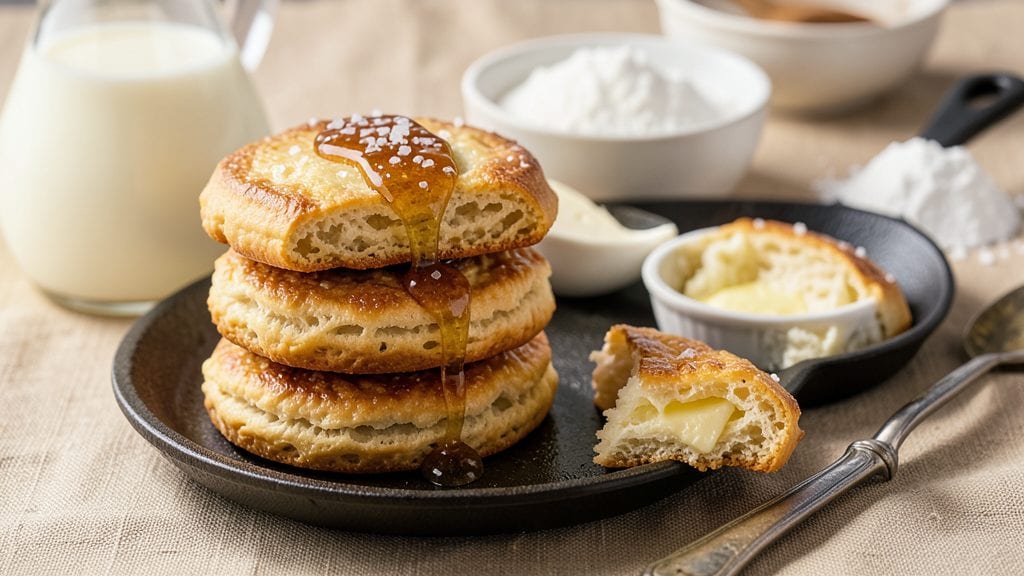
Recreating Popeyes biscuits at home means achieving that signature flaky texture that separates layers with every bite—just like the restaurant does. After years of perfecting this recipe (and burning through countless batches), I've cracked the code for tender yet crispy biscuits with a golden, buttery crust.
The secret lies in cold butter and precise folding techniques that create those signature pockets of air.
This recipe delivers restaurant-quality results using simple ingredients you likely already have in your pantry. With just five key components and 20 minutes of active time, you'll have warm, flaky biscuits ready to serve with gravy or butter.
The dough comes together quickly, but the chilling time is critical—don't skip it, even if you're eager to bake.
By the time these biscuits emerge from the oven, you'll have perfectly golden domes with crisp edges and tender, melt-in-your-mouth centers. The aroma alone will have everyone gathering at your table, and the first bite delivers that satisfying shatter you crave.
These are the kind of biscuits that make homemade cooking worth every minute.
Serve warm with honey butter, sausage gravy, or as a side for any meal. The dough can even be prepped ahead and baked later—perfect for busy mornings. Let's get started on making biscuits that rival your favorite fast-food spot.
Ingredients for popeyes biscuit
Five simple pantry staples create restaurant-style biscuits with that signature flaky shatter.
| Ingredient | Amount | Notes |
|---|---|---|
| All-Purpose Flour 🌾 | 3 cups | Sifted for light texture |
| Baking Powder 🧂 | 1 tbsp | Aluminum-free preferred |
| Salt 🧂 | 1 tsp | Fine sea salt |
| Unsalted Butter 🧈 | ½ cup | Cold, cubed (not melted) |
| Whole Milk 🥛 | ½ cup | Room temperature |
| Granulated Sugar 🍚 | 1 tbsp | Light brown sugar optional |
The flour is non-negotiable—King Arthur or Gold Medal make all the difference here. I always grab a 5-pound bag from WinCo or Costco since it's a staple. The butter? Plugrá or Land O'Lakes unsalted works perfectly, but make sure it's cold. Cut it into 1/2-inch cubes and keep them on ice until ready to use. The milk should be room temp—cold milk makes the dough tough. For that extra touch, I sometimes swap half the milk for buttermilk, but regular milk keeps it foolproof.
No baking powder? Baking soda plus cream of tartar at a 2:1 ratio works in a pinch. Short on butter? Lard or shortening mimics that flaky texture, but butter gives the best flavor. The sugar? Skip it if you want a more traditional biscuit, but it adds a subtle sweetness that pairs perfectly with sausage gravy. If your dough feels too dry, add 1 tsp more milk. Too sticky? Chill it 10 more minutes. And trust me on the cold butter—room temp butter = tough biscuits. The secret to those signature layers is keeping everything cold until the last minute.
Dough keeps for 2 days in the fridge, wrapped tightly in plastic. For longer storage, shape and freeze on a tray, then transfer to a bag for up to 3 months. To bake from frozen, add 5-10 minutes to the cooking time. These reheat beautifully—wrap in foil and warm in a 350°F oven for 5-10 minutes. I always make a double batch—half for breakfast, half for dinner with gravy. The leftovers? Perfect for sandwiches the next day.
Why You'll Love This Recipe
- Fewer Ingredients, Same Magic: I swear, this recipe nails Popeyes’ flaky layers with just five things—no weird shortcuts. Cold butter cut into flour until it looks like cornmeal? That’s the secret. No fancy tools, just elbow grease and patience (or a food processor if you’re impatient like me).
- Butter Love Overload: The moment those biscuits come out of the oven, you’ll get why I keep a stick of butter in my freezer. That crispy top with a melt-in-your-mouth center? It’s like a hug from the Southern grandma you never had—rich, buttery, and impossible to resist.
- Breakfast, Brunch, or Dinner: Honestly, I’ve served these with scrambled eggs, gravy, or even as a side for fried chicken. They’re the ultimate blank canvas—dip in honey, slather with jam, or just tear into them straight from the skillet. (Yes, even on a Tuesday night.)
- Budget Biscuit Powerhouse: A single stick of butter and a cup of flour stretch far—these yield 8-10 biscuits, and they freeze like a dream. Toss them in a bag, and you’ve got a $2 emergency meal when you’re too tired to think. My college-student self still thanks me.
Step-by-step instructions for Popeyes biscuits
Here's how to make restaurant-style biscuits with layers so delicate they'll crumble at your first touch.
Cut and Chill the Cold Butter
Cut the 0.5 cup unsalted butter into small cubes—about the size of dime-sized pieces. This keeps the butter cold and prevents it from melting into the flour during mixing. Place the butter cubes in a freezer-safe container and chill for 15 minutes. Cold butter is the secret to those signature flaky layers that make Popeyes biscuits so special.
While the butter chills, sift the 3 cups all-purpose flour and 1 tbsp baking powder together in a large bowl. This aerates the dry ingredients and ensures an even distribution of leavening, which is crucial for light, airy biscuits. I like to use a fine-mesh sieve for this step—it removes any lumps and gives the best texture. Add the 1 tsp salt and 1 tbsp granulated sugar to the dry mixture and whisk gently to combine.
Mix Dry Ingredients with Cold Butter
Add the chilled butter cubes to the dry ingredients and use a pastry cutter, two forks, or your fingers to work the butter into the flour until the mixture resembles coarse crumbs with pea-sized butter pieces still visible. This texture is key—overworking the butter will create tough biscuits instead of flaky ones. If the mixture feels too dry, you can add 1 tablespoon of ice water to help bind it together, but try to avoid this if possible.
Here's the thing—you want to keep as much cold butter as possible in those pea-sized pieces. When the butter melts in the oven, it creates steam pockets that push the layers apart, giving you that signature flaky texture. If your kitchen is warm, work quickly and keep the butter as cold as you can.
Add Milk and Form the Dough
Pour in the 0.5 cup room-temperature whole milk all at once and gently stir with a fork until just combined. The dough should come together but still feel slightly crumbly—this is normal. Avoid overmixing, which develops gluten and makes the biscuits tough. If the dough feels too sticky, add 1 tablespoon more flour to bring it together.
Turn the dough out onto a lightly floured surface and gently pat it into a 1-inch thick rectangle. This thickness ensures even baking and prevents the bottoms from burning while the tops are still raw. Wrap the dough tightly in plastic wrap and refrigerate for 30 minutes. Chilling relaxes the gluten and makes the biscuits easier to handle and even flakier.
Roll, Cut, and Bake for Perfect Texture
Preheat your oven to 425°F and line a baking sheet with parchment paper. On a lightly floured surface, roll the chilled dough to a ½-inch thickness—this is thinner than most biscuit recipes, but it's what gives Popeyes biscuits their signature height and flakiness. Use a 2.5-inch round cutter (or a glass of the same diameter) to cut out biscuits, pressing straight down without twisting. This ensures even baking and clean edges.
Place the cut biscuits on the prepared baking sheet, leaving 1 inch of space between them for even browning. Bake for 12-15 minutes until the tops are deep golden brown and the biscuits sound hollow when tapped on the bottom. The edges should pull away from the parchment paper slightly, and the centers should still look soft—this is where the magic happens.
Serve Warm for Maximum Flakiness
Remove the biscuits from the oven and let them cool on the baking sheet for 2 minutes before transferring to a wire rack. Serve immediately while they're still warm—this is when they're at their peak flakiness. If you stack them, place a paper towel between the layers to keep them soft and prevent sogginess.
Each biscuit should have multiple thin, crisp layers that shatter with the first bite. The bottoms should be golden brown and slightly crisp, while the centers remain tender and moist. If you're serving with gravy, do it right away—the biscuits soak up the gravy beautifully when fresh. Store any leftovers in an airtight container, but they won't be as flaky as when they're fresh from the oven.
Pro Tips For Making Popeyes Biscuit
- CUT THE BUTTER COLD: Popeyes biscuits rely on cold butter for that flaky, layered magic—don’t skip chilling the dough. I learned this the hard way after rolling out dough that turned into a sad, dense pancake. Pop the butter in the freezer for 15 minutes before mixing, and keep the final dough on ice until ready to shape.
- WEIGH THE FLOUR: Scooping flour from the bag packs too much air and changes the texture. Use a scale for precision—250 grams of all-purpose flour is your target. I was skeptical until I tried it; the biscuits rose higher and stayed light longer. (Yes, even if you’re impatient like me.)
- PRESS DON’T ROLL: Resist the urge to roll the dough—press it gently with your palm to about ½-inch thickness. Rolling flattens the butter pockets, killing that signature flakiness. A little unevenness? That’s the mark of a good biscuit.
- HOLD THE MILK BACK: The recipe might call for all the milk, but adding it all at once can make the dough sticky and hard to handle. Mix in just 3 tablespoons first, then add the rest as needed. This keeps the dough workable without sacrificing moisture—your future self will thank you.
Essential equipment for great popeyes biscuit
Cold Butter Cutter
This is the most critical tool for achieving those signature flaky layers. I use a Benriner pastry blender—it's affordable, durable, and does the job perfectly. The wire blades cut through cold butter cubes while mixing them into the flour without overworking the dough.
If you don't have one, two forks or your fingers work in a pinch, but be gentle to avoid melting the butter. Keep those butter cubes cold by working quickly and placing any unused pieces back in the freezer. 🧈
High-Quality Flour
Never skimp on flour for biscuits—King Arthur or Gold Medal brands make all the difference. I always buy a 5-pound bag from Costco or WinCo since I use it so often. These brands have the right protein content (10-12%) for tender yet sturdy biscuits.
If you're in a pinch, Bob's Red Mill works too, but avoid bread flour—it has too much protein and makes biscuits tough. For best results, sift the flour before mixing to remove lumps and aerate the dry ingredients.
Precision Baking Sheet
A half-sheet baking pan (13x18 inches) with parchment paper is essential for even baking. I use Wilton brand because it's sturdy and conducts heat well. The parchment prevents sticking and makes cleanup a breeze. For extra crispiness, I place the baking sheet on the middle rack of my oven.
If you don't have a half-sheet pan, a standard quarter-sheet pan (9x13 inches) works too—just leave more space between biscuits for even browning.
Round Biscuit Cutter
The 2.5-inch diameter cutter is non-negotiable for that perfect Popeyes size. I use a Wilton biscuit cutter with a fluted edge for texture, but a plain round cutter works just as well. If you don't have one, a glass of the same diameter works in a bind.
Press straight down without twisting to ensure even baking. For extra flakiness, dip the cutter in flour between uses to prevent sticking. A pastry scraper helps clean up the edges neatly after cutting.
Digital Kitchen Scale
While this recipe uses cups, a digital kitchen scale (like the OXO Good Grips) helps ensure precision, especially when measuring butter. For this recipe, you'd weigh the 0.5 cup butter as 113 grams—this consistency matters for the perfect butter-to-flour ratio.
The scale also comes in handy for measuring flour accurately (weighing 140 grams for 1 cup). I keep mine on the counter for quick reference during baking. For budget-friendly options, the Escali Primo is a great alternative.
Dough Scraper and Chill Time
A flexible dough scraper (like the Norpro dough scraper) makes handling the chilled dough effortless. It helps transfer dough to the floured surface without tearing. For the 30-minute chill time, I use a glass baking dish lined with plastic wrap—it keeps the dough cold and prevents sticking.
If you're short on time, place the dough in the freezer for 15 minutes instead. The chill time is crucial for relaxing the gluten and ensuring maximum flakiness when baked. 💫
Nutrition facts
Frequently asked questions
Why do these biscuits need cold butter?
Cold butter creates steam pockets when baked, which separate the layers for that signature flaky texture. If you use room-temperature butter, the biscuits will be tough instead of tender. Always keep your butter cubes frozen until ready to mix—this is the secret to restaurant-style flakiness!
Can I make these biscuits ahead of time?
Yes! Shape the dough into biscuits and freeze them on a tray for up to 3 months. When ready to bake, add 5-10 extra minutes to the cooking time. For reheating, wrap in foil and warm at 350°F for 5-10 minutes—they'll still be delicious, though not quite as flaky as fresh.
What's the best way to store leftovers?
Keep them in an airtight container at room temperature for up to 2 days. For longer storage, freeze individual biscuits wrapped in plastic. When reheating, place them in a 350°F oven for 5 minutes or microwave for 10-15 seconds. The key is to avoid moisture—never stack them without paper towels between layers.
Why did my biscuits turn out dense instead of flaky?
Overmixing the dough develops gluten, making biscuits tough. Also, ensure your butter stays cold and don't skip the 30-minute chill time. If your kitchen is warm, work quickly and keep the dough chilled. For extra flakiness, roll the dough to ½-inch thickness and press straight down with the cutter.
Can I substitute buttermilk for regular milk?
Yes! Buttermilk adds richness and slight tanginess. Use ½ cup buttermilk + ½ cup flour (to replace the milk) for a 1:1 swap. The extra flour helps balance the liquid. For best results, let the buttermilk sit at room temperature before using—cold buttermilk makes the dough too sticky.