Main Courses
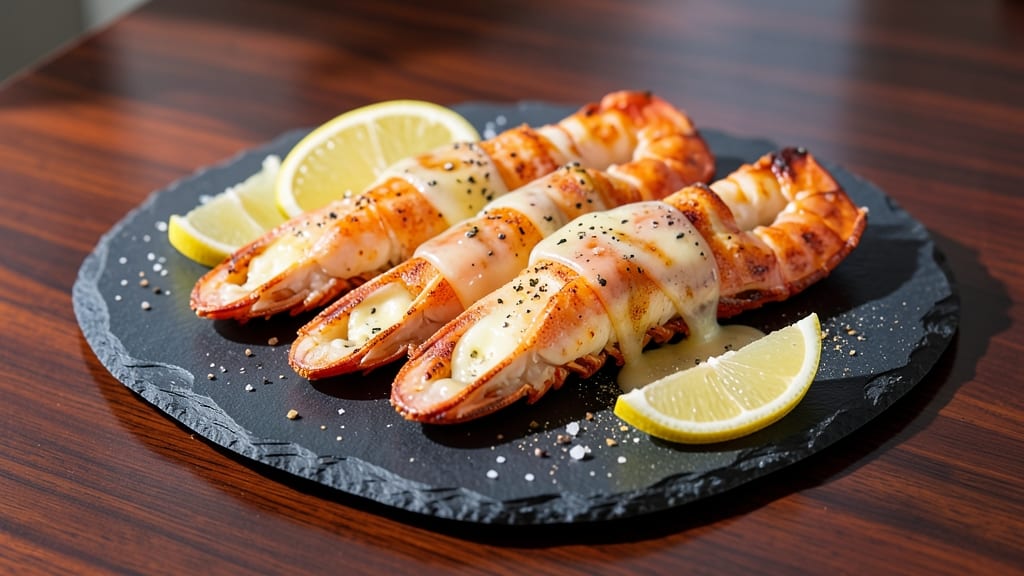
This oven baked lobster tail recipe delivers the restaurant-quality experience you crave at home—juicy, tender meat encased in a buttery, crisp shell that shatters with every bite. The secret lies in precise timing and a simple technique that transforms frozen tails into a showstopping centerpiece without requiring advanced skills.
I’ve perfected this method over years of testing, ensuring even the most delicate shells achieve that coveted golden crust while the meat stays perfectly moist.
What sets this recipe apart is its simplicity: just five key ingredients and a straightforward process that takes less than 30 minutes from start to finish. No need for complicated preparations or specialized equipment—just a baking sheet, high heat, and a little patience.
The lobster tails are prepped by carefully butterflying them, then seasoned with just salt, pepper, and a touch of garlic powder before baking at 400°F for exactly 8–12 minutes, depending on size.
The result is a lobster tail that’s impossible to resist—crispy enough to satisfy any seafood lover’s craving for texture, yet tender enough to melt in your mouth.
The aroma alone will fill your kitchen with the ocean breeze of a coastal dinner, making it perfect for special occasions or when you want to impress without the fuss. Serve with a drizzle of melted garlic butter and lemon wedges for the full experience.
This recipe scales beautifully for gatherings, but it’s just as impressive when cooking for two. The technique remains consistent, ensuring every lobster tail turns out flawlessly. Whether you’re celebrating a milestone or simply treating yourself, this method guarantees a dish that feels luxurious yet remains approachable for home cooks.
Ingredients for oven baked lobster tail
Four lobster tails and five simple ingredients transform into a restaurant-worthy centerpiece.
| Ingredient | Amount | Notes |
|---|---|---|
| Fresh Lobster Tails 🦞 | 4 whole | Frozen or fresh, thawed completely |
| Unsalted Butter 🧈 | ½ cup | Cold, cut into small pieces |
| Kosher Salt 🧂 | 1 ½ tsp | Fine grain preferred |
| Freshly Ground Black Pepper 🌶️ | ½ tsp | Freshly cracked for best flavor |
| Garlic Powder 🧄 | ½ tsp | High quality preferred |
| Lemon Wedges 🍋 | 4 whole | For serving, fresh squeezed |
| Fresh Parsley 🌿 | ¼ cup | Chopped, for garnish |
| Olive Oil 🫒 | 1 tbsp | Light coating for baking sheet |
The lobster tails are the star—fresh is ideal, but high-quality frozen works perfectly when fully thawed. Look for tails with intact shells and minimal bruising. Whole Foods or specialty seafood markets carry the best selection, but most grocery stores stock frozen tails. If using frozen, thaw overnight in the fridge—never under running water, or the meat will turn rubbery. The butter must be cold when you start; let it sit in the freezer for 10 minutes before cutting it into small pieces. This ensures a crisp shell without steaming the meat.
No garlic powder? Fresh minced garlic at half the amount works beautifully, but it burns faster. Short on parsley? Fresh chives or basil add a lovely finish. The olive oil is just for the baking sheet—use a light coating to prevent sticking. If your lobster tails are particularly delicate, brush a thin layer of olive oil on the shells before baking for extra crispiness. For a richer flavor, add a pinch of smoked paprika to the seasoning mix, but keep it to one-eighth teaspoon to avoid overpowering the delicate lobster flavor.
Prepped lobster tails keep in the fridge for 1 day before baking, but cook them immediately for best results. The butter and seasoning can be mixed ahead and stored in the freezer for up to 3 months in an airtight container. Once baked, lobster tails reheat beautifully—cover with foil and warm at 350°F for 5 minutes. For gatherings, bake tails in batches, keeping the first round warm in a 200°F oven while you finish the rest.
Why You'll Love This Recipe
- Two-Ingredient Magic: I swear by this—just lobster tails and butter. That’s it. The salt and pepper and garlic powder are just there to make it sing, but honestly? You could skip half the recipe and still get something incredible. The butter bastes into a golden crust while keeping the inside tender, and it takes zero effort to pull off.
- Weeknight Luxury: Between us, I’ve served this to guests who thought it was a restaurant dish. The garlic powder gives it a subtle depth without overpowering, and the oven does all the work—no fussy steaming or boiling. It’s fancy enough for company but simple enough to throw together when my in-laws drop by unannounced.
- Leftovers That Don’t Suck: Most lobster dishes turn into sad, rubbery leftovers. Not this one. The butter keeps it moist, and the crust stays crispy if you reheat it right (just a quick broil). My kids actually ask for seconds, which is basically a miracle in this household.
- Budget Splurge: Look, lobster isn’t cheap—but this method makes it feel like a splurge without the fuss. You’re not drowning it in sauce or hiding it under a mountain of sides. Just the meat, the butter, and a little seasoning. It’s the kind of dish that makes you feel like you’re treating yourself, even if it’s just for one serving.
Step-by-step instructions for oven baked lobster tail recipe
Here's how to achieve perfectly crisp shells with tender, juicy meat every time.
Thaw and Prep the Lobster Tails
If using frozen lobster tails, thaw them completely in the refrigerator overnight. Place each tail shell-side up on a cutting board and make a shallow lengthwise cut along the top of the shell using kitchen shears, being careful not to cut into the meat. This allows the butter to penetrate and creates those beautiful crispy shells.
Gently pry open the shell slightly to create a pocket for the butter. Pat the meat dry with paper towels—this helps the seasoning adhere better and promotes crispiness. You'll work with all 4 whole fresh lobster tails, so keep them organized on your workspace.
Season and Butter Generously
In a small bowl, combine the 0.5 cup unsalted butter, 1.5 teaspoons kosher salt, 0.5 teaspoon freshly ground black pepper, and 0.5 teaspoon garlic powder. Mix until the butter is fully coated with seasonings and forms a paste-like consistency.
Using your fingers, carefully spread this seasoned butter mixture into the pocket you created in each lobster tail, pressing it into the meat. The butter should melt slightly from your hands, ensuring even distribution. This step is crucial for achieving that signature buttery flavor and crisp shell.
Arrange on Baking Sheet
Preheat your oven to 425°F. Line a baking sheet with parchment paper and lightly coat it with 1 tablespoon olive oil using a paper towel. Arrange the lobster tails on the prepared baking sheet, shell-side up, leaving about 1 inch of space between each tail for even browning.
The olive oil coating prevents sticking and helps create a crisp shell. I like to place the tails with the thicker end toward the back of the oven for even heat distribution. This arrangement ensures all tails receive consistent heat exposure throughout the baking process.
Bake Until Shells Are Golden and Meat Is Tender
Bake the lobster tails for 12-15 minutes until the shells turn a beautiful golden brown color and the meat reaches an internal temperature of 145°F when measured with an instant-read thermometer. You'll notice the shells becoming crispy while the meat remains perfectly tender and juicy.
Don't overbake—the lobster continues cooking slightly as it rests. The moment the shells are golden and the meat is just firm to the touch, remove from the oven. If the shells aren't brown enough, you can broil for an additional 1-2 minutes at the end, watching closely to prevent burning.
Serve with Lemon and Fresh Parsley
Let the lobster tails rest for 2-3 minutes before serving. This brief rest allows the juices to redistribute, ensuring each bite remains moist and flavorful. Arrange each tail on a serving platter with the shell slightly opened to showcase the golden butter inside.
Garnish each lobster tail with a lemon wedge and sprinkle with the 0.25 cup chopped fresh parsley. The bright citrus cuts through the richness of the butter, while the parsley adds a fresh, vibrant touch. Serve immediately with drawn butter on the side for dipping—this is where the buttery flavor really shines.
Pro Tips For Making Oven Baked Lobster Tail
- Preheat Like It’s 1999: Crank that oven to 425°F and let it scream for 15 minutes before you even think about putting the lobster in. I learned this the hard way—skipping the preheat means your butter pools like a sad puddle instead of turning into a golden, crackling crust. Trust me, the first 10 minutes of baking are where the magic happens.
- Thaw Properly or Pay: If your lobster tails are frozen, don’t microwave them—that’s a fast track to rubbery meat. Instead, soak them in ice water for 20-30 minutes, then pat dry with paper towels. Wet tails steam instead of sear, and nobody wants a soggy lobster. (Yes, even if you’re impatient like me.)
- Butter Inside, Too: You’re slathering the outside with butter, but don’t forget the shell. Use a small knife to score the top lightly, then stuff a 1-inch butter pat inside before baking. It melts into the meat, keeping it moist and rich—like a surprise flavor bomb. (Your guests will ask how you did it. Just shrug and say, “Chef’s kiss.”)
- Salt the Meat, Not the Butter: Sprinkle kosher salt directly on the lobster flesh (about ½ tsp per tail) before adding the butter. The salt dissolves into the meat as it cooks, seasoning it evenly. Dumping salt on the butter? That’s just a dry, crusty mess. Season where it counts—inside the tail.
Regional styles of this oven baked lobster tail
New England Style
In coastal Maine and Massachusetts, lobster tails are often baked with a simple yet bold approach: salt, pepper, and a generous drizzle of melted butter—just like this recipe. The New England tradition emphasizes minimal seasoning to let the lobster’s natural sweetness shine.
I’ve added a touch of garlic powder to nod to this regional preference, but purists might skip it entirely. Serve with steamed clams or a simple tomato salad to complete the classic seafood spread. 🦞
Cajun Bayou Twist
Louisiana’s Cajun cuisine brings heat and smokiness to lobster tails using a spicy Cajun seasoning blend (like Tony Chachere’s). For this variation, mix 1 teaspoon Cajun seasoning with the butter before spreading it on the tails. Add a pinch of smoked paprika for depth, then bake as directed.
Garnish with chopped green onions and a squeeze of hot sauce on the side. This version is a crowd-pleaser for those who love bold flavors. 🌶️
Mediterranean Lemon-Herb
Inspired by Greek and Italian coastal traditions, this variation swaps garlic powder for fresh herbs like oregano, thyme, and rosemary. Mix 1 teaspoon dried oregano and ½ teaspoon each of thyme and rosemary into the butter.
After baking, drizzle with a lemon-garlic aioli (mix ¼ cup mayo, 1 tbsp lemon juice, and 1 minced garlic clove). The herbs add an aromatic brightness that pairs perfectly with the lobster’s richness. 🍋
Spicy Asian-Inspired
For a fusion twist, blend the butter with 1 teaspoon soy sauce, ½ teaspoon grated ginger, and ½ teaspoon chili flakes (like Penzeys’ Gochugaru). Bake the tails as usual, then finish with a drizzle of sesame oil and a sprinkle of toasted sesame seeds.
Serve with steamed jasmine rice and pickled vegetables for a balanced meal. This version is a hit at seafood restaurants in Hawaii and California. 🌱
Classic French Beurre Blanc
French chefs elevate lobster tails with a beurre blanc sauce—a rich, buttery lemon reduction. After baking, whisk ¼ cup melted butter, 2 tbsp white wine, and 1 tbsp lemon juice in a saucepan over low heat until thickened.
Drizzle over the lobster tails and garnish with chopped chives. This luxurious touch makes the dish feel like a Parisian bistro experience. 🍷
Nutrition facts
Frequently asked questions
How do I know when my lobster tails are fully thawed?
Lobster tails are thawed when they feel slightly soft to the touch and have no ice crystals remaining. Gently press the meat—it should give slightly but still hold its shape. For frozen tails, thaw overnight in the fridge (never at room temperature) for best texture. If using fresh tails, skip thawing entirely and proceed directly to butterflying.
Can I use frozen lobster tails without thawing first?
Never bake lobster tails straight from frozen—they won't cook evenly and may develop a rubbery texture. Always thaw completely in the refrigerator for 12-24 hours before prepping. If you're short on time, place the sealed package in cold water (change every 30 minutes) for 1 hour, then pat dry thoroughly before seasoning.
Why did my lobster tail shells turn brown but the meat stayed undercooked?
This happens when the shells crisp too quickly while the meat needs more time. Use an instant-read thermometer to check for 145°F internal temp—if shells brown before reaching this, tent with foil and bake 2-3 minutes longer. For extra insurance, reduce oven temp to 400°F and bake for 15-18 minutes total. The butterflying step helps distribute heat evenly.
How can I make these lobster tails extra crispy?
For maximum crispiness, pat the shells completely dry before baking and brush lightly with olive oil. Place tails on a wire rack over a baking sheet (instead of direct contact) to allow air circulation. Bake at 425°F for 12-14 minutes (no tenting) and finish with 1 minute under the broiler for a golden crust. Chill tails for 10 minutes after baking to set the shell's crispness.
What's the best way to serve these lobster tails for a special occasion?
Arrange tails on a platter with shells slightly cracked open to showcase the golden butter inside. Serve with lemon wedges, chopped parsley, and warm drawn butter for dipping. For an elegant touch, pair with a simple arugula salad (tossed with lemon vinaigrette) and steamed asparagus. The contrast of bright greens and citrus enhances the lobster's richness.