Breakfast & Brunch
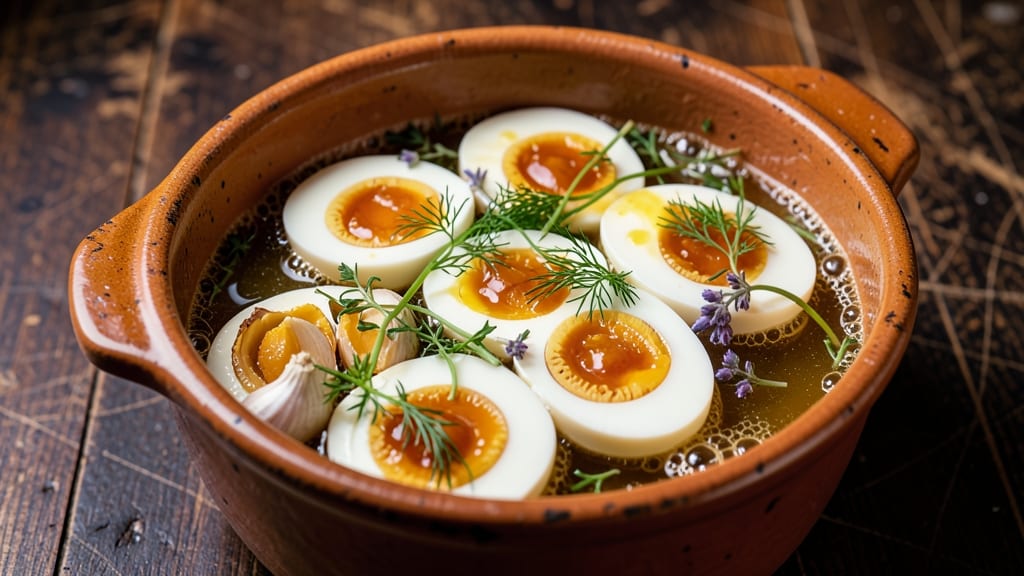
This old-fashioned pub style pickled eggs recipe transforms simple hard-boiled eggs into a bold, tangy snack that’s been a pub staple for generations. The key lies in the precise balance of vinegar, mustard, and aromatic herbs—creating that signature crunchy texture and complex flavor that keeps guests reaching for seconds.
I first discovered this technique while researching classic British pub fare, and it’s since become a crowd-pleaser at gatherings.
The process is straightforward but requires patience: eggs are brined in a vinegar-mustard solution with herbs like dill and thyme, then cured for at least 48 hours to develop that signature vinegar-kissed crunch.
The result is a dish that’s equal parts tangy, herby, and satisfyingly crisp—perfect for game day, cheese boards, or as a bold appetizer that elevates any spread. Unlike modern shortcuts, this method delivers authentic pub-style flavor without compromise.
What makes these pickled eggs truly special is their versatility—they pair beautifully with sharp cheddar, crusty bread, or even as a topping for burgers. The mustard adds a subtle heat, while the herbs bring depth, creating a flavor profile that’s both nostalgic and refined.
Once you try them, you’ll never settle for store-bought again. Let’s get started on this timeless recipe.
The beauty of this method is its adaptability: swap in smoked paprika for a deeper flavor or add chili flakes for a spicy kick. The 48-hour cure ensures the eggs develop that signature crunch while absorbing all the bold flavors.
Whether you’re hosting a pub night or simply craving a bold, tangy snack, this recipe delivers restaurant-quality results at home.
Ingredients for old fashioned pub style pickled eggs
Twelve eggs transformed into a pub-worthy snack through precise brine science and aromatic herbs.
| Ingredient | Amount | Notes |
|---|---|---|
| Large Eggs 🥚 | 12 whole | Fresh, organic preferred for texture |
| White Vinegar 💧 | 2 cups | Distilled, 5% acidity minimum |
| Yellow Mustard 🌶️ | ½ cup | Dijon preferred for depth of flavor |
| Fresh Dill 🌿 | ¼ cup | Finely chopped, stems removed |
| Fresh Thyme 🌿 | 1 tbsp | Leaves only, finely chopped |
| Garlic Cloves 🧄 | 4 cloves | Thinly sliced for subtle aroma |
| Diamond Crystal Kosher Salt 🧂 | 1 ½ tbsp | For proper brine balance |
| Granulated Sugar 🍯 | 1 tbsp | For subtle sweetness contrast |
| Black Peppercorns 🌶️ | 1 tsp | Coarsely cracked for texture |
| Bay Leaves 🌿 | 2 whole | Fresh preferred for aroma |
| Water 💧 | 2 cups | Filtered preferred for clarity |
| Smoked Paprika 🌶️ | ½ tsp | Optional for depth of flavor |
The eggs form the foundation of this recipe, so opt for organic, free-range eggs if possible—their richer yolks stand up better to the curing process. Costco or local farms often carry high-quality eggs at competitive prices. The vinegar is non-negotiable: distilled white vinegar with at least 5% acidity ensures proper preservation and tangy flavor development. For the mustard, Dijon-style provides the ideal balance of sharpness and creaminess without overpowering the delicate herb profile. Fresh herbs like dill and thyme are critical for authentic pub flavor—garden-fresh varieties from local markets deliver superior aroma compared to dried alternatives. If substituting dried herbs, use half the amount and toast them lightly in a dry pan first to enhance their flavor.
No Dijon mustard? Whole-grain mustard thinned with a splash of vinegar works in a pinch, though the flavor will be slightly less refined. Short on fresh dill? Substitute with tarragon or a blend of parsley and chervil, though the flavor profile will differ slightly. The smoked paprika is optional but recommended for that classic pubhouse depth—Penzeys or Gourmet Garden brands offer excellent quality. For the garlic, roasted garlic cloves add a subtle sweetness that complements the tangy brine beautifully. If you prefer milder flavor, reduce the garlic to 2 cloves. The bay leaves should be fresh if possible, but dried will suffice in a tight spot—just remove them after 24 hours of curing to prevent bitterness. For those avoiding gluten, ensure your mustard is certified gluten-free, as some varieties contain wheat.
This recipe requires patience: the eggs must cure for a minimum of 48 hours to develop that signature crunch and absorb the bold flavors. Store the pickled eggs in an airtight glass jar in the refrigerator, where they'll keep for up to 3 weeks. For longer storage, transfer to a freezer-safe container and freeze for up to 6 months. The flavor actually improves with time, so make a large batch—they're perfect for game day spreads, cheese boards, or as a bold appetizer that elevates any gathering. To serve, drain the eggs and pat them dry with a paper towel to enhance their crisp texture. The brine can be reused for up to 2 additional batches if stored properly.
Why You'll Love This Recipe
- No Boil, No Fuss: I swear by this method—just hard-boil eggs ahead (or use store-bought), then let the vinegar and mustard do all the work. No peeling, no fussing, just toss them in a jar and wait. Honestly, it’s the kind of recipe that makes me feel like a lazy genius.
- Tangy, Herby Magic: That mustard-infused brine? It’s what makes these eggs ridiculously good—the sharp vinegar cuts through the richness of the yolks while the dill and thyme add this bright, herbal punch. The first bite is like a mini flavor explosion, and I’m hooked every time.
- Party in a Jar: These eggs are my go-to for picnics, potlucks, or even just snacking straight from the fridge. They keep for weeks, so I make a big batch and stash them in the pantry. Guests always ask for the recipe—because who can resist pickled eggs that taste like a pub’s secret?
- Budget-Friendly Pantry Staples: Eggs, vinegar, mustard, herbs—this recipe uses things you already have. No specialty ingredients, no last-minute grocery runs. And since they last forever, it’s basically free snacks for months. Between us, I’ve fed a crowd of six for under $5 with these.
Step-by-step instructions for old fashioned pub style pickled eggs
This classic technique transforms simple eggs into restaurant-worthy bites with a perfect balance of tang, herbaceousness, and subtle heat.
Hard-Boil the Eggs to Perfect Doneness
Place the 12 whole large eggs in a saucepan and cover them with cold water by about 1 inch. Bring to a rolling boil over high heat, then immediately reduce to medium-low and simmer for exactly 10 minutes. This precise timing ensures the yolks remain creamy while the whites develop that satisfying firmness.
Transfer the eggs to an ice bath for 15 minutes to halt cooking and prevent overdevelopment of the yolks. Once cooled, peel the eggs carefully—tap them gently on a hard surface, then roll to crack the shells before peeling under running water. The eggs should be completely shell-free for even pickling.
Prepare the Herb-Infused Brine
In a medium saucepan, combine the 2 cups white vinegar, 2 cups water, 1.5 tablespoons diamond crystal kosher salt, 1 tablespoon granulated sugar, 1 teaspoon coarsely cracked black peppercorns, 2 whole bay leaves, 4 thinly sliced garlic cloves, 0.5 teaspoon smoked paprika, 0.25 cup finely chopped fresh dill, and 1 tablespoon finely chopped fresh thyme. Bring to a gentle simmer over medium heat for 5 minutes, allowing the aromatics to infuse the liquid.
Remove from heat and let cool to room temperature. This infusion creates the complex flavor base—where the vinegar's acidity meets the earthy notes of thyme, the bright freshness of dill, and the subtle smokiness of paprika. The sugar helps balance the acidity while the salt ensures proper preservation.
Combine Eggs and Brine for Perfect Preservation
Place the peeled eggs in a clean glass jar or non-reactive container, packing them snugly but not tightly. Pour the cooled brine over the eggs until they're completely submerged, covering by at least 1 inch. The brine should reach the top of the jar—this prevents mold growth and ensures proper preservation.
Add the 0.5 cup yellow mustard to the jar, distributing it around the eggs. The mustard will slowly emulsify with the vinegar, creating that signature pub-style tanginess. Seal the jar tightly and refrigerate for at least 48 hours before consuming, allowing the flavors to fully meld.
Store and Enjoy for Maximum Flavor Development
The eggs will continue improving in flavor for up to 2 weeks when properly refrigerated. The vinegar will gently penetrate the eggs, creating that signature pickled texture while preserving their natural richness. The mustard will develop a velvety consistency, blending seamlessly with the herbaceous notes.
To serve, remove an egg and pat it dry with a paper towel. The exterior should be firm with a slight sheen from the vinegar, while the interior remains perfectly creamy. The mustard-infused brine will coat each bite with a complex flavor profile—tangy, herby, with just a hint of smoky depth. Serve chilled with crusty bread or as part of a pub-style charcuterie board.
Pro Tips For Making Old Fashioned Pub Style Pickled Eggs
- BOIL EGGS UNTIL COLD: I learned this the hard way—pulling eggs out of boiling water when they’re still warm makes them crack like overripe tomatoes. Let them cool completely in ice water for 5 minutes first, then peel. The shock stops the cooking, and you’ll get clean peels every time.
- STRAIN THE VINEGAR: Skip the sediment at the bottom of the vinegar bottle—it’s the gritty stuff that can make your pickling liquid cloudy and taste off. Pour the vinegar through a fine-mesh strainer into your jar before adding anything else. Your brine will stay clear and bright.
- CHOP MUSTARD FINE: Whole seeds or thick chunks of mustard turn this into a condiment, not a pub-style pickle. Grate or finely mince the yellow mustard—almost like a paste—so it blends smoothly into the vinegar. Trust me, your eggs won’t taste like a mustard sandwich after.
- PACK EGGS TIGHTLY: Loose eggs in the jar? They’ll float, leaving some submerged and others barely touched by the brine. Nestle them snugly, one layer at a time, pressing down gently. If they bob up, weigh them down with a small plate or spoon—no one wants half-pickled eggs.
Regional styles of these flavors
British Pub Classics
In traditional British pubs, these pickled eggs were a staple alongside fish and chips or steak and ale pie. The original recipe relied on malt vinegar for a deeper, slightly sweet tang rather than white vinegar.
I’ve adapted this classic by using white vinegar for a sharper bite, but for authenticity, substitute with malt vinegar if you can find it. The mustard element is key—British pubs often used whole-grain mustard for a heartier texture. 🥪
American Bar Twist
Across the pond, American bars embraced pickled eggs with a spicier kick. Add ½ teaspoon cayenne pepper to the brine for a Southern-style heat, or swap the dill for fresh parsley and chives for a brighter, more herbaceous profile.
I’ve seen bar menus in Texas serve them with hot sauce drizzled on top—perfect for those who love a little extra fire. The key difference? American versions often include pickle juice in the brine for extra tang. 🌶️
German Biergarten Style
German pubs take their pickled eggs with a heartier approach, often incorporating beer into the brine. Replace 1 cup of vinegar with 1 cup of light lager (like Stella Artois) for a malty depth. Add 1 teaspoon of caraway seeds for a distinctive German flavor.
The result is a richer, more complex egg that pairs beautifully with pretzels and dark beer. For extra crunch, some German recipes include crushed pretzel bits in the brine. 🍺
Australian Pub Adaptation
Down under, pickled eggs get a Vegemite twist—yes, really! Some pubs serve them with a thin Vegemite spread on crusty bread, creating a salty, umami-rich contrast.
For a similar effect at home, add 1 teaspoon of Vegemite to the brine (or use ½ teaspoon of miso paste for a similar depth). Australians also love their eggs with chili flakes and lemon zest, giving the dish a bright, zesty finish. 🇦🇺
Modern Fusion Approach
For a contemporary take, I’ve experimented with smoked salt in the brine (replace half the regular salt with smoked sea salt) and a splash of apple cider vinegar for a fruity twist.
Add 1 teaspoon of honey to the mustard mixture for a sweet-and-tangy balance. This fusion style works brilliantly as a charcuterie board centerpiece or alongside blue cheese for a bold flavor contrast. 💫
Nutrition facts
Frequently asked questions
How long do these pickled eggs keep in the fridge?
Properly stored in an airtight glass jar, these pub-style eggs stay fresh for up to 3 weeks in the refrigerator. The flavor actually improves with time as the vinegar and herbs infuse deeper. For longer storage, freeze them for up to 6 months—just thaw overnight in the fridge before serving.
Can I use store-bought pickling spices instead of fresh herbs?
Yes, but the flavor will be less vibrant. For best results, stick with fresh dill and thyme—they're essential for that authentic pubhouse aroma. If you must use dried, reduce to half the amount and toast lightly in a dry pan first to intensify their flavor. The mustard and vinegar will still deliver great tang, but the herbaceous depth will be noticeably different.
What's the secret to getting that perfect pub-style crunch?
Three things: proper curing time (minimum 48 hours), fresh eggs (organic preferred), and complete submersion in the brine. The vinegar's acidity gently firms the egg whites while preserving their texture. Pat them dry before serving to enhance that satisfying crunch—this removes excess moisture that can make them feel soggy.
Can I make these pickled eggs without mustard?
but the flavor will be more vinegar-forward. Mustard adds that signature creamy tang and balances the sharpness. For a substitute, try 1 tablespoon of Dijon mayo mixed with 1 teaspoon of lemon juice—it'll give you a similar velvety texture. The herb and spice profile will still shine through, just with a different depth.
Why do some pub-style eggs turn out rubbery?
Overcooking the eggs or using old eggs with thick shells are the most common causes. Always use fresh eggs and boil for exactly 10 minutes—no longer! Also ensure complete submersion in the brine during curing. If the eggs feel rubbery after curing, they may have absorbed too much vinegar. Try reducing the curing time slightly next batch (though 48 hours is ideal for proper flavor development).