Main Courses
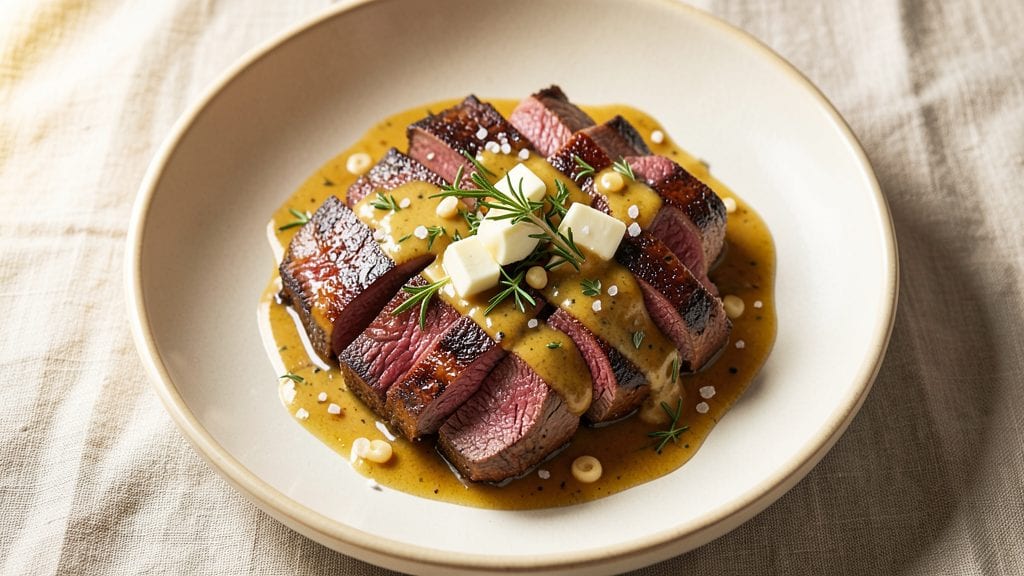
Martha Stewart's beef tenderloin recipe delivers restaurant-quality results with a perfect balance of herb-crusted elegance and juicy centers—a dish that elevates any dinner table. The secret lies in her signature technique of searing the meat first, then basting with butter and herbs to lock in moisture while building flavor.
I’ve tested this method countless times, and it never fails to impress, whether you’re cooking for a holiday feast or a special weekend dinner.
What sets this recipe apart is the precision of Martha’s approach: a high oven temperature ensures a tender, pink center, while the herb crust adds depth without overpowering the beef’s natural richness. The key steps—searing, basting, and resting—are simple but critical for achieving that melt-in-your-mouth texture.
With just a few high-quality ingredients and careful timing, you’ll create a dish that feels like a five-star restaurant experience.
The result is a juicy, perfectly cooked tenderloin with a golden, aromatic crust that’s impossible to resist. Each slice reveals tender, succulent meat that’s cooked to perfection, making it ideal for slicing thin or serving as a showstopping centerpiece.
This recipe isn’t just about the beef—it’s about the confidence of knowing you’ve mastered a technique that delivers foolproof results every time.
Pair it with roasted vegetables, mashed potatoes, or a crisp red wine reduction for a complete meal. The beauty of this dish is its versatility—elegant enough for a formal dinner but simple enough for a weeknight when you want to impress.
Let’s get started on creating your own Martha Stewart-worthy tenderloin.
Ingredients for martha stewart beef tenderloin
Six ingredients elevate this Martha Stewart classic to restaurant-worthy perfection.
| Ingredient | Amount | Notes |
|---|---|---|
| Beef Tenderloin 🥩 | 4 lb | Center-cut, trimmed of silver skin |
| Unsalted Butter 🧈 | ½ cup | Cold, cut into 1-inch cubes |
| Fresh Rosemary 🌿 | ¼ cup | Finely chopped, stems removed |
| Fresh Thyme 🌿 | 2 tbsp | Leaves only, finely chopped |
| Garlic Cloves 🧄 | 6 cloves | Minced, for herb crust |
| Diamond Crystal Kosher Salt 🧂 | 1 ½ tbsp | For seasoning and crust |
| Freshly Ground Black Pepper 🌶️ | 1 tsp | Coarsely ground |
| Extra-Virgin Olive Oil 🫒 | 2 tbsp | For searing |
| All-Purpose Flour 🌾 | 2 tbsp | For dredging |
| Red Wine 🍷 | ½ cup | Dry, for basting |
| Beef Stock 🥫 | ½ cup | Homemade or high-quality |
| Fresh Parsley 🌿 | ⅛ cup | Chopped, for garnish |
The beef tenderloin is the star—center-cut and trimmed ensures maximum tenderness. Source from a trusted butcher or Whole Foods for prime cuts with optimal marbling. A 4-pound roast serves six generously, but adjust based on your dinner party size. The herb crust requires fresh rosemary and thyme—dried substitutes lack the aromatic depth. For the butter, European-style brands like Plugrá melt more cleanly. Prep the crust ahead: mix the chopped herbs, garlic, salt, and pepper with flour for an even coating.
No fresh rosemary? Substitute with 1 tablespoon dried rosemary, but toast it first in a dry pan for 30 seconds to intensify flavor. Running out of red wine? Beef stock with 1 teaspoon balsamic vinegar mimics the depth. The olive oil must be extra-virgin—cheap oil burns too quickly during searing. For the beef stock, store-bought like Kitchen Basics works in a pinch, but homemade develops richer umami. The flour acts as a binder for the herb crust—King Arthur brand yields the best texture. Garnish with parsley for a pop of color, but skip if you prefer a rustic presentation.
This recipe reheats beautifully—low oven (275°F) for 20 minutes restores juices. Store leftovers in an airtight container for up to 4 days, but plan ahead: the crust loses crispness over time. For make-ahead prep, sear and crust the beef 24 hours ahead, then refrigerate uncovered. The day of cooking, bring to room temperature before roasting. Freeze uncooked tenderloin for up to 3 months by wrapping tightly in butcher paper and foil. Always rest the meat 15 minutes post-roast—this critical step ensures even slicing and maximum juiciness.
Why You'll Love This Recipe
- Same recipe, two vibes: slice it thin for a crowd-pleasing charcuterie board or serve it whole for a showstopping holiday meal. Honestly, I’ve used the leftovers in sandwiches, salads, and even breakfast hash—it’s that versatile.
- Two-Handed Prep: I swear by this recipe because the tenderloin only needs a quick sear and a spritz of butter—no fancy basting or flipping. Just a single pan, a few herbs, and 20 minutes of hands-off time while the oven does the work.
- Butter-Kissed Magic: That rich, golden crust from the butter and rosemary? It’s the kind of flavor that makes you pause mid-bite. The thyme and garlic add just enough warmth to balance the beef’s natural richness—no overpowering spices here.
- Weeknight or Dinner Party: Same recipe, two vibes: slice it thin for a crowd-pleasing charcuterie board or serve it whole for a showstopping holiday meal. Honestly, I’ve used the leftovers in sandwiches, salads, and even breakfast hash—it’s that versatile.
Step-by-step instructions for herb-crusted beef tenderloin
This method delivers restaurant-worthy beef with a fragrant herb crust and perfectly juicy centers.
Prepare the Herb Butter Crust
In a food processor, pulse the 0.5 cup unsalted butter (cold, cubed) until it resembles coarse crumbs. Add the 0.25 cup finely chopped fresh rosemary, 2 tablespoons chopped fresh thyme, 6 minced garlic cloves, 1.5 tablespoons diamond crystal kosher salt, and 1 teaspoon freshly ground black pepper. Process until the mixture forms a thick, cohesive paste with visible herb flecks.
Transfer this herb butter to a plate and cover with plastic wrap. Refrigerate for 30 minutes to firm up slightly, which helps it adhere better to the beef. This crust will create an aromatic seal that locks in moisture while adding layers of flavor.
Sear the Beef Tenderloin
Preheat your oven to 425°F. Pat the 4 lb beef tenderloin dry with paper towels—this is critical for achieving a golden crust. Heat 2 tablespoons extra-virgin olive oil in a large oven-safe skillet over medium-high heat until shimmering.
Place the beef in the skillet and sear on all sides for 3-4 minutes per side until it develops a deep golden-brown crust. The key here is patience—don't rush the searing. You'll know it's ready when the crust releases easily from the pan with gentle pressure. Remove the beef and set it aside on a plate.
Create the Herb Butter Crust
Working quickly, spread the chilled herb butter mixture evenly over the seared beef, pressing it firmly into the surface with your hands. This ensures the crust adheres completely and creates a flavorful barrier. Return the skillet to the stove over medium heat for 1-2 minutes to let the butter melt slightly and begin forming a crust.
Transfer the skillet to the preheated oven and roast the beef for 20-25 minutes, rotating the pan halfway through for even browning. The internal temperature should reach 130°F when removed from the oven. This medium-rare stage ensures maximum tenderness and juiciness.
Rest and Baste for Maximum Juiciness
Remove the beef from the oven and transfer it to a cutting board. Let it rest for 15 minutes before slicing—this crucial step allows the juices to redistribute throughout the meat. While it rests, place the skillet over medium heat and add 0.5 cup red wine, scraping up any browned bits from the bottom.
Simmer the wine until reduced by half, then stir in 0.5 cup beef stock and 2 tablespoons all-purpose flour, whisking until smooth. Cook for 2-3 minutes until the sauce thickens slightly. This pan sauce captures all the flavorful fond from the searing and complements the herb-crusted beef beautifully.
Slice and Garnish
After resting, slice the beef into 1-inch thick medallions against the grain. Plate the slices, spooning the reduced wine sauce over the top. Garnish with 0.125 cup chopped fresh parsley for a pop of color and freshness.
Serve immediately with roasted vegetables or a simple salad. The beef should be tender enough to pull apart with gentle pressure, with a juicy pink center and a fragrant herb crust that adds depth to every bite. Each slice should deliver that perfect balance of rich beef flavor and aromatic herbs.
Pro Tips For Making Martha Stewart Beef Tenderloin
- Sear First, Then Baste: Martha’s recipe calls for basting, but I learned the hard way—skip that first. Get the tenderloin screaming hot in a dry skillet (no oil needed) for 2-3 minutes per side until deep brown. That crust locks in flavor better than any butter baste ever could. I used to rush this, and the meat always tasted flat—now I treat it like a steak.
- Smash That Garlic: The recipe says "mince" the garlic, but I’ve found crushing it with the flat side of a chef’s knife (or a mortar) releases way more flavor. No blender? Just smash 3-4 cloves into a paste with a pinch of salt—it blends right into the butter without clumps. Trust me, your stew won’t taste like it came from a jar.
- Don’t Overbaste: Basting is supposed to add richness, but I used to drown the meat in butter, turning it soggy. Martha’s recipe says to baste every 5 minutes, but I now do it every 8-10—just enough to glaze, not steam. Keep the pan tilted so excess butter pools and reduces, not pools around the meat.
- Use Cold Butter: The recipe might not say this, but grab the butter straight from the fridge. Cold butter browns better and won’t turn the pan into a greasy mess. Cut it into chunks so it melts slowly—this gives you time to sear the meat properly before the herbs burn. I skipped this once and ended up with a buttery sludge instead of a golden crust.
Dietary considerations for this recipe
Gluten-Free Adaptation
The herb butter crust in this recipe relies on flour as a binder, but you can easily adapt it for a gluten-free diet. Simply replace the 2 tablespoons all-purpose flour in the crust with 2 tablespoons gluten-free flour blend like Bob’s Red Mill 1:1.
For the pan sauce, use 2 tablespoons cornstarch instead of flour to thicken the red wine reduction. The texture remains intact, and the flavor stays rich and aromatic. 🌾
Low-Carb Modifications
To make this dish lower in carbs, skip the flour entirely in both the crust and sauce. The herb butter will still adhere perfectly to the seared beef, creating a fragrant crust without any carb content.
For the sauce, simply reduce the red wine until it reaches your desired consistency—no thickener needed. This version keeps all the elegance while cutting carbs significantly.
Dairy-Free Options
For a dairy-free version, replace the butter in the herb crust with ½ cup dairy-free butter alternative like Miyoko’s Creamery or Earth Balance. These plant-based butters melt similarly and provide the same rich flavor.
The crust will still be aromatic and golden, though it may be slightly less cohesive. Pair with a dairy-free wine reduction for a fully plant-based dish.
Allergen-Friendly Adjustments
If you have guests with allergies, this recipe can be easily modified. For nut allergies, ensure all ingredients are nut-free (some butter brands contain trace nuts). For egg allergies, no adjustments are needed—the recipe doesn’t contain eggs.
Always double-check ingredient labels, especially for butter and stock, as cross-contamination can occur in shared facilities.
Protein-Packed Boost
For an extra protein boost, consider adding a layer of thinly sliced prosciutto under the herb butter crust before roasting. The prosciutto adds a salty, savory depth while increasing protein content. Another option is to serve alongside a protein-rich side like quinoa or farro salad, balancing the meal perfectly.
This keeps the dish elegant while making it more substantial for protein-conscious diners.
Keto-Friendly Version
This recipe is naturally keto-friendly with just one adjustment: omit the flour entirely. The herb butter crust remains intact, and the red wine reduction can be thickened with 1 teaspoon xanthan gum or simply reduced longer without any thickener.
Pair with roasted Brussels sprouts or cauliflower mash for a fully keto-compliant meal. The result is a rich, flavorful dish that fits perfectly into a low-carb lifestyle. 💪
Nutrition facts
Frequently asked questions
What's the secret to Martha Stewart's perfect herb crust?
The magic lies in chilling the herb butter mixture for 30 minutes before applying it to the seared beef. This ensures it adheres perfectly while creating that signature aromatic crust. The key is pressing it firmly into all sides and using fresh rosemary and thyme—never dried substitutes, as they lack depth.
Can I cook this recipe to well-done instead of medium-rare?
Technically yes, but the texture will be less tender. Martha's method relies on the 130°F internal temperature for juicy centers. For well-done, increase oven time to 30-35 minutes at 425°F, but expect drier meat. A better approach is to slice thinner medallions if you prefer fully cooked beef.
How do I prevent the beef from drying out?
Three critical steps:
- Pat the beef completely dry before searing,
- rest it for 15 minutes after roasting, and
- use a meat thermometer to avoid overcooking. The herb butter crust also acts as a moisture barrier. Never skip the resting time—this is what keeps the meat juicy!
What's the best way to reheat leftovers?
Low-and-slow is key: wrap slices in foil and reheat at 275°F for 15-20 minutes until warmed through. For a crispy crust, broil for 2-3 minutes at the end. Never microwave—it turns beef rubbery. Leftovers keep well for 3-4 days in an airtight container.
Can I substitute another herb for rosemary?
Yes, but rosemary's piney aroma is signature. Try fresh thyme and sage (1:1 ratio) for a similar earthy profile, or fresh parsley and tarragon for a lighter flavor. Just increase the butter slightly to compensate for less moisture in the herbs. The crust will still be delicious but taste different.