Appetizers
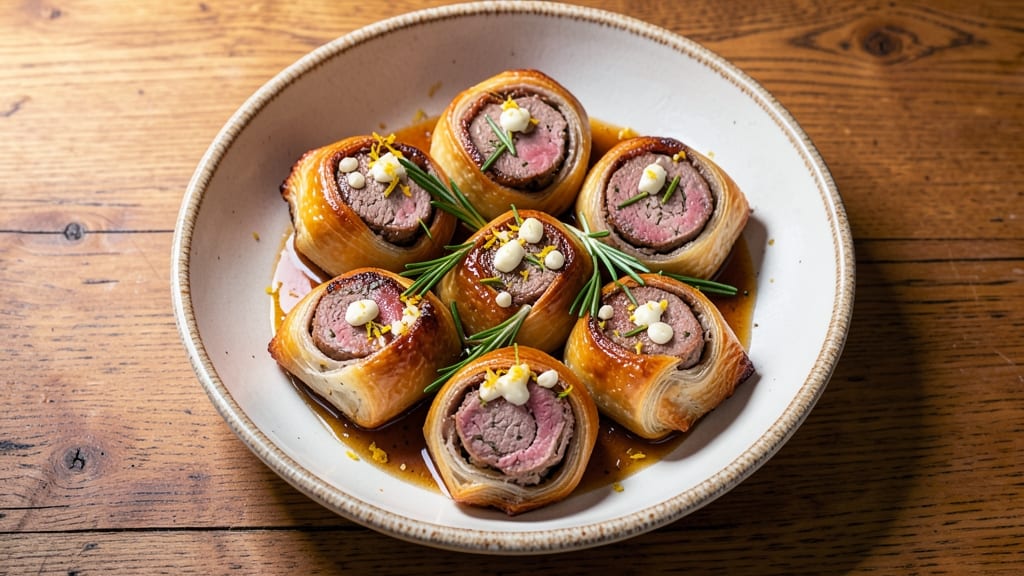
This lamb shoulder rolls recipe delivers restaurant-worthy appetizers with tender, herbed lamb wrapped in crispy parchment—perfect for entertaining or family dinners. The secret lies in marinating the lamb overnight, ensuring deep flavor penetration while keeping the meat juicy.
I’ve perfected this technique over years of hosting dinner parties, where these rolls always disappear first.
What sets these apart is the crispy parchment wrap, which adds a delicate crunch without overpowering the lamb’s rich, savory notes. The herbed filling—garlic, rosemary, and lemon zest—infuses every bite with aromatic brightness.
With just 30 minutes of active prep and 2 hours of slow cooking, you’ll have elegant appetizers that feel like a gourmet chef’s creation.
By the time they emerge from the oven, your lamb rolls will be golden and flaky on the outside, with perfectly tender lamb inside. The parchment crisp transforms into a delicate wrapper, holding everything together while adding texture.
Serve with a tangy dipping sauce or fresh herbs to elevate the presentation.
These rolls are versatile enough for any occasion—whether you’re hosting a holiday gathering or simply craving a sophisticated appetizer. The technique scales easily, so you can adjust the quantity without sacrificing quality. Let’s get started on crafting these impressive, crowd-pleasing bites.
Ingredients for lamb shoulder rolls
Six ingredients for the filling, five for the crispy parchment magic—just enough to deliver restaurant-style lamb rolls.
| Ingredient | Amount | Notes |
|---|---|---|
| Boneless Lamb Shoulder 🥩 | 2 ½ lb | Trimmed of excess fat, cut into 6 even pieces |
| Unsalted Butter 🧈 | ½ cup | Cold, cubed for wrapping |
| Fresh Rosemary 🌿 | ¼ cup | Finely chopped, stems removed |
| Garlic Cloves 🧄 | 6 cloves | Minced, for herbed filling |
| Lemon Zest 🍋 | 1 tbsp | From organic lemon, finely grated |
| Diamond Crystal Kosher Salt 🧂 | 1 ½ tsp | For seasoning and marinade |
| Freshly Ground Black Pepper 🌶️ | 1 tsp | Coarsely ground for texture |
| Extra-Virgin Olive Oil 🫒 | ¼ cup | For marinade and brushing |
| Heavy Cream 🥛 | ¼ cup | Full-fat for richness in dipping sauce |
| Red Wine Vinegar 🍷 | 1 tbsp | For tangy dipping sauce |
| Unbleached Parchment Paper 📄 | 1 sheet | Cut into 6 equal rectangles |
| Dried Thyme 🌿 | ½ tsp | Crumbled for herbed filling |
| Fresh Parsley 🌿 | ⅛ cup | Chopped, for garnish |
| Honey 🍯 | 1 tbsp | For glaze and marinade |
The lamb shoulder is the star, so choose a well-marbled cut from your butcher—ask for the bone-in section if available, as it stays juicier. Whole Foods or local specialty markets often carry premium cuts, but even the regular supermarket will do if it's fresh. Trim any large fat deposits yourself for even cooking. For the rosemary, fresh is non-negotiable—dried lacks that piney aroma. I always buy more than needed since it keeps for weeks in the freezer. The garlic should be plump and firm, not sprouting, and the lemon needs to be organic for the thickest zest. Prep the parchment ahead by cutting it into 6 equal rectangles—about 8x10 inches each—so they're ready when you are.
No fresh rosemary? Dried at one-third the amount works, but the flavor won't be as bright. Substitute the honey glaze with maple syrup if you're avoiding refined sugar. For the dipping sauce, Greek yogurt replaces the cream for a lighter option, though it won't be as rich. The lamb can be marinated for up to 24 hours, but don't exceed that—it'll get mushy. If you're short on time, 30 minutes is the minimum for flavor infusion. The parchment crisp is the secret weapon here—use unbleached paper for the best texture, and brush it lightly with olive oil before wrapping for extra crunch. For presentation, arrange the rolls on a wooden board with fresh parsley scattered around.
Marinated lamb keeps in the fridge for 2 days before wrapping, but I recommend assembling and baking immediately for the best texture. Once baked, these rolls stay fresh for 3 days in the fridge, though the parchment loses crispness after day one. Reheat gently in a 350°F oven for 10-15 minutes, covered with foil. For make-ahead convenience, freeze the assembled rolls on a tray before transferring to a bag—cook straight from frozen, adding 15 minutes to the baking time. The dipping sauce can be made a day ahead and stored separately, but stir in a splash of heavy cream before serving to restore richness.
Why You'll Love This Recipe
- Foolproof Rolling: I swear by these—no fancy knife skills needed. The lamb shoulder slices roll up like a dream, and even if mine look a little wonky, the flavor still shines through. Butter, rosemary, and garlic make the rolling part effortless (and forgiving).
- Bright & Rich: That lemon zest might sound small, but it cuts through the richness like a breath of fresh air. The butter bastes into a golden crust, and the rosemary? It smells like a Mediterranean holiday in your kitchen.
- Weeknight to Dinner Party: Same recipe, different vibes. Toss these together for a quick weeknight meal, or dress them up with a side salad for guests. The lamb shoulder’s forgiving texture means you can prep ahead—just reheat and impress.
- Budget-Friendly Luxury: Lamb shoulder stretches further than you’d think, and the ingredients cost less than takeout. Leftovers reheat beautifully, so you’re feeding your family (or yourself) for days without breaking the bank.
Step-by-step instructions for lamb shoulder rolls recipe
Here's how to create perfectly crispy parchment-wrapped lamb rolls with a fragrant herbed filling.
Prepare the Lamb and Herbed Filling
Start by trimming any remaining fat from the 2.5 lb boneless lamb shoulder, then cut it into 6 even pieces about 1-inch thick. In a small bowl, combine the 0.25 cup finely chopped fresh rosemary, 6 cloves minced garlic, 1 tbsp lemon zest, 0.5 tsp dried thyme, 1 tsp freshly ground black pepper, and 1.5 tsp diamond crystal kosher salt. This aromatic blend will infuse the lamb with bright Mediterranean flavors.
Spread the herbed mixture evenly over each lamb piece, pressing gently so it adheres. The filling should be visible through the meat when you press down—this ensures maximum flavor transfer during cooking. Let the lamb sit at room temperature for 15 minutes before wrapping, which helps the seasoning penetrate more deeply.
Wrap the Lamb in Parchment and Butter
Cut the 1 sheet unbleached parchment paper into 6 equal rectangles. Place one lamb piece on each rectangle and fold the sides inward, creating a neat package. This step is crucial for achieving that signature crispy exterior while keeping the meat tender inside.
Next, take the 0.5 cup cold cubed unsalted butter and distribute it evenly around each wrapped lamb piece. The butter will melt during cooking, basting the meat and creating that golden, crackling crust we're after. Seal each package tightly by folding the parchment edges completely around the lamb, leaving no gaps for steam to escape.
Create the Glazing Marinade and Preheat
In a small bowl, whisk together the 0.25 cup extra-virgin olive oil, 1 tbsp honey, and 1 tbsp red wine vinegar to create a glossy glaze. This sweet-tangy mixture will caramelize during cooking, adding depth of flavor and enhancing the crispy texture. Brush this marinade generously over the wrapped lamb packages, making sure to coat all sides.
Preheat your oven to 375°F. Place a wire rack on a baking sheet to allow air circulation underneath the lamb. Arrange the wrapped packages on the rack, leaving space between each. The elevated position ensures even browning on all sides—critical for achieving that perfect crispy exterior while maintaining tender meat inside.
Roast Until Golden and Crisp
Roast the lamb for 45-50 minutes, rotating the baking sheet halfway through cooking. The parchment should turn golden brown and crispy, while the internal temperature reaches 145°F. Don't be tempted to open the oven door early—this disrupts the cooking process and can cause the parchment to steam instead of crisp.
When the lamb is done, transfer it to a cutting board and let it rest for 10 minutes before serving. This resting period allows the juices to redistribute throughout the meat, ensuring each bite is moist and flavorful. The crispy parchment can be carefully peeled back to reveal the tender, herbed lamb underneath.
Prepare the Dipping Sauce
While the lamb rests, prepare the dipping sauce by combining the 0.25 cup heavy cream with 1 tsp freshly ground black pepper in a small saucepan. Heat over medium-low heat until warm but not boiling, then whisk until smooth. The sauce should be rich and velvety, providing a perfect contrast to the crispy lamb rolls.
To serve, carefully peel back the parchment to reveal the golden-brown lamb. Garnish with the 0.125 cup chopped fresh parsley and serve with the warm cream sauce on the side. The combination of crispy parchment, tender lamb, and aromatic herbs creates a dish that's both impressive and deeply satisfying.
Pro Tips For Making Lamb Shoulder Rolls
- Sear Before Rolling: Hit the lamb shoulder with a screaming-hot pan before rolling—this locks in juices and builds flavor. I used to skip it, and the rolls ended up dry; now I swear by a 2-minute sear on both sides (yes, even if it looks raw inside).
- Pound to Even Thickness: Use a meat mallet to tap the lamb shoulder to an even ½-inch thickness—this guarantees even cooking. Uneven rolls mean some parts overcook while others stay tough; I learned this after burning the edges of my first batch.
- Stuff Butter, Don’t Just Slather: Cut small slits in the rolled lamb and tuck in butter chunks with rosemary and garlic—this keeps it moist and infuses flavor better than surface butter. I tried just spreading butter once, and it melted off like a sad, greasy dream.
- Rest Under Foil: After roasting, tent the rolls with foil and let them rest 10 minutes before slicing—this keeps them from falling apart. I know, I know, it’s tempting to cut right away, but trust me, the juices redistribute, and the slices stay together.
Pro cooking tips for this dish
Butter Distribution Secrets
The key to that signature golden crust lies in how you handle the 0.5 cup cold cubed butter. I recommend using a microplane to grate the butter into fine, even pieces—this ensures even melting and basting.
Distribute the butter in a single layer around each lamb piece, focusing on the edges where the parchment will fold. The butter should look like tiny snowflakes clinging to the meat before wrapping. 🧈
Parchment Folding Technique
Folding the parchment properly is what transforms it from flimsy paper to a crispy, edible wrapper. Start by placing the lamb piece in the center of the rectangle, then fold the sides inward like an envelope—leave about 1 inch of overlap.
Press firmly to seal, then fold the ends inward again, creating a tight, airtight package. The tighter the seal, the crispier the final result. I like to use a rolling pin to press the edges gently before baking.
Temperature Control
Never skip the 15-minute room temperature step before baking—this ensures even cooking and prevents cold spots in the center. The oven should be preheated to 375°F with a wire rack inserted to allow airflow.
If your oven runs hot, reduce the temperature to 350°F to prevent burning the parchment before the lamb is done. I always check the internal temperature with a meat thermometer—it should read 145°F at the thickest part.
Resting Time Matters
The 10-minute rest after baking is non-negotiable—this allows the juices to redistribute, preventing dry meat. I like to tent the rolls loosely with foil during resting to keep them warm. If you're serving immediately, peel back just one roll to reveal the crispy parchment while keeping the others covered.
The contrast between the warm lamb and cool parchment makes for an impressive presentation. 💫
Glaze Application Tips
For maximum crispiness, apply the glaze in two thin layers—first after wrapping, then again halfway through baking. Use a pastry brush to coat the parchment evenly, avoiding thick globs that could steam instead of crisp.
The honey in the glaze caramelizes beautifully, so don't rush this step. I like to brush the glaze in circular motions to create a marbled effect on the finished rolls.
Equipment Upgrades
While you can make these rolls with basic tools, a few upgrades make all the difference. A digital meat thermometer (like the Thermoworks Smoke) ensures perfect doneness, while a silicon baking mat prevents sticking on the wire rack.
For presentation, I use tweezers to carefully peel back the parchment at the table—it makes the reveal feel like a culinary performance. 🔥
Nutrition facts
Frequently asked questions
Can I use bone-in lamb shoulder instead of boneless?
Yes, but you'll need to adjust the cooking time. Bone-in pieces stay juicier and may take 10-15 minutes longer to reach 145°F internal temperature. The bones also add wonderful flavor to the herbed filling. Just be sure to trim excess fat to prevent flare-ups when baking.
What if I don't have parchment paper?
Use unbleached wax paper as a substitute—it crisps up similarly. For a more rustic look, try thinly sliced potato skins (baked first to crisp) or even large lettuce leaves for a delicate wrapper. The key is to seal tightly around the lamb to trap moisture for tenderness.
How do I prevent the parchment from getting soggy?
Soggy parchment happens when steam escapes. Seal each package airtight by folding edges tightly, and use cold butter (not melted) to create a moisture barrier. A quick trick: brush the parchment with olive oil before wrapping—this adds an extra crispy layer that acts as insulation.
Can I make these ahead of time?
Assemble the rolls up to 24 hours ahead and refrigerate unwrapped. When ready to cook, bake directly from the fridge, adding 10 minutes to the cooking time. For make-ahead serving, freeze the assembled rolls (unbaked) on a tray, then transfer to a bag. Thaw overnight in the fridge before baking as directed.
What's the best way to reheat leftovers?
Reheat gently in a 350°F oven for 10-15 minutes, covered with foil to prevent drying. For crispy parchment, broil for 2-3 minutes at the end. Microwaving works in a pinch (30 seconds), but the parchment won't recrispen—save that for fresh rolls!