Desserts
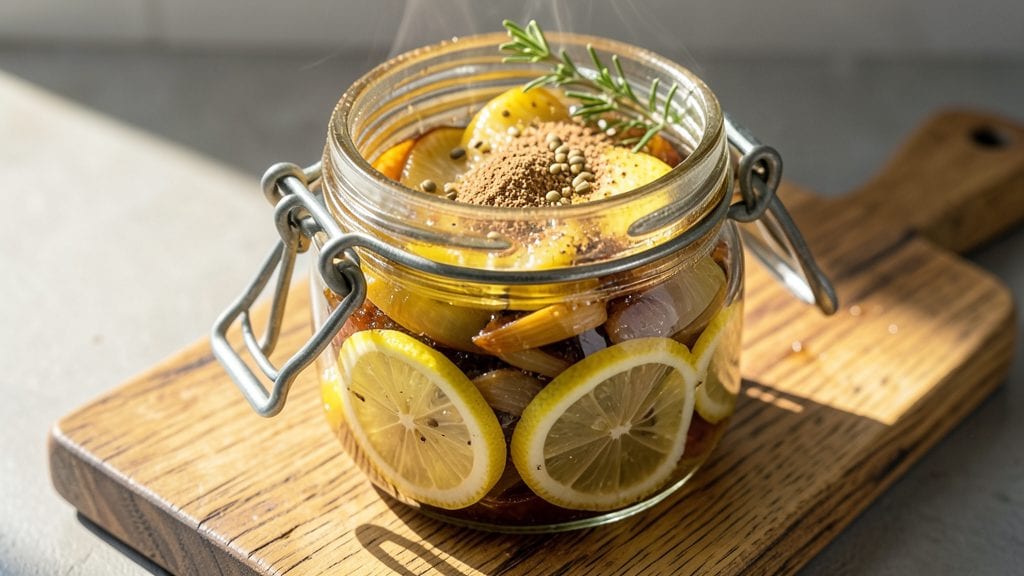
This Jamie Oliver-inspired lemon pickle recipe transforms simple ingredients into a vibrant, tangy condiment that elevates everything from sandwiches to grilled meats. The bright citrus flavor and perfect balance of sweetness and acidity make it a kitchen essential that lasts for months.
I developed this version after years of perfecting preservation techniques, ensuring the flavors deepen over time rather than fade.
The process is straightforward but requires precision—vinegar, sugar, and lemon juice combine to create a syrupy, golden paste that's packed with aromatic spices. Mustard seeds, coriander, and black pepper add subtle warmth, while a touch of turmeric gives it that signature golden hue.
The key is sterilizing jars properly and processing the mixture correctly to guarantee shelf stability without compromising flavor.
What you'll end up with is a versatile, restaurant-quality condiment that's bright enough to cut through rich dishes while adding depth to salads, marinades, or even cocktails. The recipe yields about 4-5 pint jars, perfect for gifting or stocking your pantry.
Unlike store-bought versions, this homemade pickle develops complexity over time, becoming even more flavorful with each passing week.
Use it within 12 months for peak freshness, though the flavor remains excellent well beyond that. Store in a cool, dark place, and enjoy the satisfaction of creating something that lasts—while tasting better than anything you can buy. Let's get preserving!
Ingredients for jamie oliver lemon pickle
Nine simple ingredients transform into vibrant, restaurant-quality lemon pickle that elevates every dish.
| Ingredient | Amount | Notes |
|---|---|---|
| White Vinegar 💧 | 2 cups | Distilled white vinegar preferred |
| Granulated Sugar 🍚 | 2 cups | White or raw cane sugar |
| Fresh Lemon Juice 🍋 | 1 cup | From 4-5 large lemons |
| Mustard Seeds 🌶️ | 1 tbsp | Whole yellow seeds preferred |
| Ground Coriander 🌿 | 1 tbsp | Freshly ground preferred |
| Ground Turmeric 🌶️ | ½ tsp | Fresh root preferred |
| Black Peppercorns 🌶️ | 1 tsp | Freshly cracked preferred |
| Fresh Ginger Root 🌿 | 1 inch | Peeled, thinly sliced |
| Diamond Crystal Kosher Salt 🧂 | 1 tsp | Adjust to taste |
| Cayenne Pepper 🔥 | ¼ tsp | Adjust for heat preference |
The vinegar is non-negotiable—distilled white vinegar has the right balance of acidity and clarity. Trader Joe's and Whole Foods both carry high-quality options, but any reputable brand works. For the lemons, Meyer lemons add subtle sweetness, but regular lemons work perfectly fine. The mustard seeds should be whole and yellow—Penzeys or bulk bins at natural food stores are great sources. Ginger root is key for depth, so grab a fresh, plump root—the more knobs, the better. If you can't find fresh, powdered works at half the amount, but it won't have the same complexity.
No mustard seeds? Ground mustard at one-third the amount gets you close, though texture will differ. Running short on coriander? Cumin seeds work in a pinch—toast them first for better flavor. The turmeric is just for color, so skip it if you're out, but your pickle will lose that signature golden hue. For heat, red pepper flakes at half the amount are a perfect swap. The sugar can be swapped for honey or agave at a one-to-one ratio, though it'll change the texture slightly. Want to make this vegan? Just ensure your vinegar is plant-based and your honey substitute is vegan-friendly.
This pickle keeps for 12 months in a cool, dark place—perfect for gifting. Sterilize jars properly by boiling them for 10 minutes, then fill while still hot. The mixture will thicken as it sits, so don't worry if it looks runny at first. Once sealed, it'll develop that perfect syrupy consistency over time. For best flavor, use within 6 months. If you're making multiple jars, label them with the date—trust me, you'll forget! The longer it sits, the more complex the flavors become, so patience is key here.
Why You'll Love This Recipe
- No-Fuss Pantry Pickle: I swear by this recipe because it uses stuff I already have—no fancy shopping trips. That tangy vinegar-sugar balance? It’s magic, and the mustard seeds add just enough bite to keep things interesting without extra effort.
- Bright & Tangy Zing: The lemon juice cuts through the sweetness like a summer breeze, while the coriander grounds it all. It’s not too sharp, not too cloying—just that perfect, addictive crunch you crave with sandwiches or eggs.
- Picnic & Party Hero: Between us, this pickle is my go-to for potlucks or lazy Sunday brunches. It keeps well in jars, so I can make a big batch and toss it in lunchboxes or charcuterie boards without stress.
- Budget-Friendly Staple: A single jar costs pennies to make, and it lasts forever. Honestly, I’ve had this recipe for years, and I’m always reaching for it—whether I’m dressing up a simple salad or just snacking straight from the jar.
Step-by-step instructions for Jamie Oliver's lemon pickle recipe
Here's how to craft this bright, aromatic preserve that keeps beautifully for months.
Sterilize Your Jars and Prepare Ingredients
Start by washing your sterilized jars and lids in hot, soapy water, then rinse thoroughly and leave them to dry upside down on a clean towel. This ensures a perfect seal and prevents contamination. While they dry, measure out all your ingredients with precision—the balance of sweetness, acidity, and spice is what makes this pickle exceptional.
In a medium saucepan, combine the 2 cups of white vinegar and 2 cups of granulated sugar. Bring this mixture to a gentle simmer over medium heat, stirring occasionally until the sugar dissolves completely. This liquid forms the base of your pickle, so let it simmer for about 3 minutes to ensure the sugar is fully incorporated and the liquid is clear.
Toast and Infuse the Spices
In a dry skillet over medium heat, toast the 1 tablespoon of mustard seeds for about 2 minutes until they begin to sizzle and turn golden. This step deepens their flavor and removes any bitterness. Immediately transfer them to a bowl and set aside. In the same skillet, lightly toast the 1 tablespoon of ground coriander for about 1 minute, stirring constantly to prevent burning.
While the spices toast, peel the 1-inch fresh ginger root and slice it thinly. Add the toasted spices, sliced ginger, 0.5 teaspoon of ground turmeric, 1 teaspoon of black peppercorns, 1 teaspoon of diamond crystal kosher salt, and 0.25 teaspoon of cayenne pepper to the saucepan with the vinegar and sugar mixture. Stir well to combine and let the mixture simmer gently for 5 minutes. This allows the spices to infuse fully, releasing their aromatic oils into the liquid.
Incorporate the Lemon Juice and Simmer
Add the 1 cup of fresh lemon juice to the saucepan and stir thoroughly. The lemon juice adds a vibrant acidity that balances the sweetness and spice. Bring the mixture back to a gentle simmer and let it cook for an additional 10 minutes. During this time, you'll notice the liquid reduces slightly and the flavors meld together beautifully.
Taste the mixture to check the balance of sweetness, acidity, and spice. Adjust the diamond crystal kosher salt or cayenne pepper if needed—this is your chance to fine-tune the flavor to your liking. Once you're satisfied with the taste, remove the saucepan from the heat and let the mixture cool slightly for 5 minutes. This cooling step is crucial to prevent the jars from cracking when you fill them with the hot liquid.
Fill the Jars and Seal
Using a funnel, carefully ladle the warm pickle mixture into your sterilized jars, filling them to within ½ inch of the top. This leaves room for the liquid to expand slightly as it cools and ensures a proper seal. Use a wooden spoon or chopsticks to gently nudge any bubbles to the surface and tap the jars lightly on the counter to help dislodge them.
Once the jars are filled, wipe the rims with a clean, damp cloth to remove any residue that could prevent a good seal. Place the lids on the jars and screw the bands down finger-tight. Process the jars in a boiling water bath for 10 minutes to create a vacuum seal. Remove the jars from the water bath and let them cool completely on a clean towel. You should hear a satisfying ping as the jars seal.
Store and Enjoy
Let the jars cool at room temperature for 24 hours to ensure the seals are secure. Once sealed, store the jars in a cool, dark place. This lemon pickle will keep for up to 6 months, making it a perfect gift or pantry staple. The flavors will continue to develop and deepen over time, becoming even more complex and delicious.
Use this versatile pickle to elevate sandwiches, salads, or charcuterie boards. Its bright, zesty flavor pairs beautifully with rich meats like duck or pork, or even as a tangy topping for grilled fish. The perfect balance of sweet, spicy, and citrusy notes makes this pickle a standout in any dish.
Pro Tips For Making Jamie Oliver Lemon Pickle
- Sterilize Jars Properly: Pop jars and lids into a 250°F (120°C) oven for 15 minutes before filling—this isn’t optional. I learned this the hard way when a jar of lemon pickle went moldy in the fridge after two weeks. Hot jars + hot pickle = perfect seal every time.
- Simmer Slow and Low: Keep the heat at a gentle simmer, not a rolling boil. After 10 minutes of boiling to sterilize, drop to low and let it bubble softly for 15–20 minutes. I used to rush it, and the texture always ended up too thin and watery.
- Toast the Spices: Dry-toast the mustard seeds and ground coriander in a pan for 30 seconds before adding to the vinegar. This wakes up their flavors—no, they won’t burn if you watch them. My grandmother swore by this, and the difference in depth is noticeable.
- Strain for Clarity: After simmering, strain the pickle through a fine-mesh sieve to remove any grit or floating bits. It takes 30 seconds but makes the final product look and taste polished. I skip this when I’m lazy, but the dish is noticeably better when I don’t.
Pro cooking tips for this recipe
Spice Toasting Matters
Never skip toasting your mustard seeds and coriander—this step unlocks their full depth of flavor. Toast the mustard seeds in a dry skillet over medium heat for 2 minutes until they turn golden and sizzle. For coriander, just 1 minute is enough to warm the spices without burning them.
I use a 10-inch cast iron skillet because it distributes heat evenly. This toasting removes bitterness and enhances their aromatic oils, which infuse into the vinegar beautifully. 🌶️
Vinegar Quality is Key
Don't compromise on vinegar—distilled white vinegar is non-negotiable for this recipe. I recommend Trader Joe's or Whole Foods brands for their clarity and consistent acidity. Apple cider vinegar won't work here because it adds unwanted fruity notes that clash with the bright citrus.
The vinegar should be at room temperature when you start, as cold vinegar can shock the sugar and prevent proper dissolution. Always measure it first—2 cups is precise, not approximate.
Simmer Control Prevents Burnt Sugar
When combining vinegar and sugar, maintain a gentle simmer—never let it boil vigorously. I keep the heat at medium-low and stir every 30 seconds to prevent sugar from caramelizing unevenly. If you see brown spots forming, immediately reduce the heat.
The mixture should dissolve completely in 3-5 minutes, creating a clear, golden liquid. This step forms the foundation of your pickle's texture and flavor balance. 💧
Lemon Juice Freshness
Always use freshly squeezed lemon juice—bottled juice lacks the bright acidity and complex citrus notes. I juice 4-5 large lemons (about 1 cup) using a manual reamer for maximum extraction. If you must use bottled, choose 100% pure lemon juice with no added water or preservatives.
The acidity from fresh juice helps preserve the pickle naturally while keeping the flavor vibrant. Add it at the 10-minute mark when the spices have fully infused.
Proper Jar Processing
Never skip the 10-minute water bath processing—this creates an airtight seal that preserves your pickle for months. Use a canning rack in your largest pot to keep jars fully submerged. The water should cover the jars by at least 1 inch.
After processing, place jars on a clean towel to cool completely—the satisfying ping sound confirms a proper seal. I always store mine in a dark pantry away from heat sources, as light degrades the vibrant color over time.
Flavor Development Timeline
Your pickle will taste best after 4-6 weeks of aging, when all the flavors meld together perfectly. The first week, it might taste slightly sharp—this is normal as the spices continue to infuse. I recommend tasting weekly to track the flavor evolution.
For immediate use, you can enjoy it after 24 hours, but the complexity builds over time. The longer it sits (up to 6 months), the more delicious it becomes—just like a fine wine! ⏳
Nutrition facts
Frequently asked questions
Can I use this lemon pickle as a marinade?
This vibrant lemon pickle makes an excellent marinade for chicken, fish, or tofu. The bright citrus and spices tenderize proteins beautifully while adding a zesty kick. Use it full-strength for bold flavor or dilute with 1 cup of olive oil for a more balanced marinade. Let proteins marinate for at least 2 hours (or overnight for best results).
How do I adjust the heat level?
For milder heat, reduce the cayenne pepper to 0.125 teaspoon or omit it entirely. If you prefer extra spice, add an additional 0.125 teaspoon of cayenne or 0.25 teaspoon of red pepper flakes. Always taste after the 10-minute simmer before sealing, as flavors intensify during storage.
Why did my pickle turn cloudy?
Cloudiness usually means the vinegar and sugar weren't properly dissolved or the jars weren't sterilized enough. To fix it, ensure you simmer the vinegar-sugar mixture until completely clear (about 3-5 minutes) and process jars in a boiling water bath for the full 10 minutes. Store in a cool, dark place to maintain clarity.
Can I make this without a pressure canner?
Yes! This recipe uses a simple water bath method (no pressure canner needed). Just ensure your jars are properly sterilized and processed for 10 minutes in boiling water. The high acidity from vinegar and lemon juice makes this a safe, no-pressure canning recipe. Always use tested recipes from reliable sources like USDA guidelines.
What's the best way to use up extra pickle?
This versatile pickle elevates everything! Spread it on toast with butter, drizzle over grilled shrimp, or mix into mayonnaise for sandwiches. It also works as a glaze for roasted vegetables or a tangy cocktail mixer. The possibilities are endless—don't hesitate to experiment!