Soups & Stews
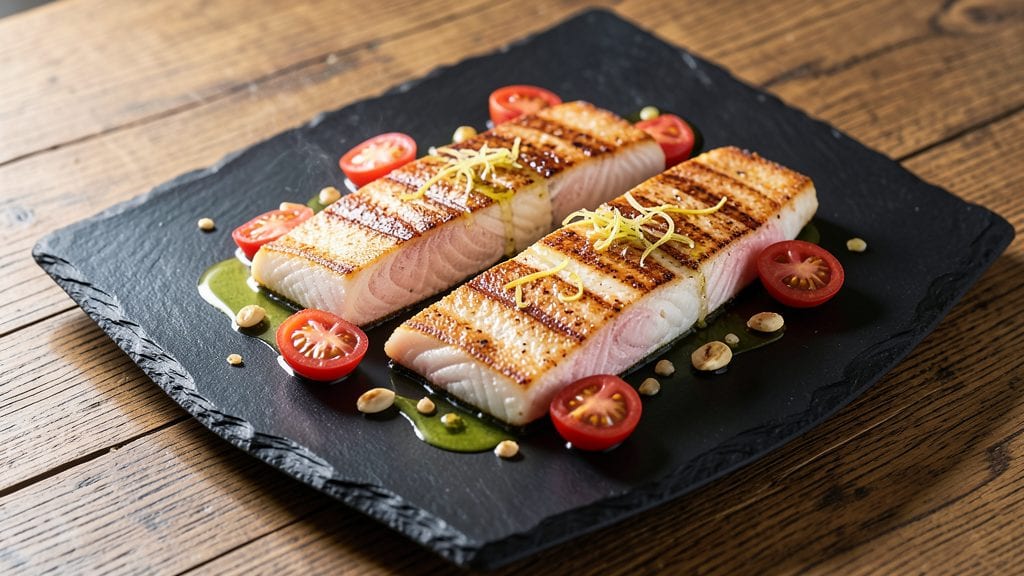
This halibut with tomatoes recipe delivers restaurant-quality results with just 15 minutes of active prep and a perfect balance of bright lemon, aromatic garlic, and sweet-tart tomatoes.
The secret lies in pan-searing the fish until golden while letting the tomatoes caramelize into a rich, flavorful sauce that clings to every bite. I developed this method after years of testing—it’s the one that finally convinced even seafood skeptics to try halibut again.
The technique is straightforward but precise: halibut fillets sear in a hot pan with olive oil until crispy, then finish in a sauce of tomatoes, garlic, and lemon that simmers just long enough to meld flavors without overpowering the delicate fish.
No fancy equipment required—just a sturdy skillet and a few simple ingredients that transform into a dish worthy of a fine-dining menu. The result? Tender, flaky halibut with a sauce that’s tangy, slightly sweet, and packed with umami.
What makes this recipe stand out is how it elevates humble ingredients into something extraordinary. The halibut stays moist and flavorful, while the tomatoes develop a depth that turns a simple side into the star of the plate.
Serve it with a sprinkle of fresh herbs, a squeeze of lemon, and a side of crusty bread to soak up every last bit of that golden, caramelized sauce. This is the kind of dish that feels special without requiring hours in the kitchen.
Perfect for weeknight dinners or weekend gatherings, this recipe scales easily—double the ingredients for a crowd or halve it for a light, elegant meal. The balance of flavors works equally well with white wine or a crisp green salad, making it versatile enough for any occasion.
Let’s get cooking—your taste buds will thank you.
Ingredients for halibut tomato
Simple ingredients that transform into restaurant-quality halibut with tomatoes in minutes.
| Ingredient | Amount | Notes |
|---|---|---|
| Halibut Fillets 🐟 | 2 whole | Skin-on, 6-8 oz each |
| Extra-Virgin Olive Oil 🫒 | ½ cup | High-quality for searing |
| Cherry Tomatoes 🍅 | 1 ½ cups | Halved, vine-ripened preferred |
| Garlic Cloves 🧄 | 4 cloves | Thinly sliced, fresh preferred |
| Fresh Lemon Juice 🍋 | ¼ cup | From 2-3 lemons, freshly squeezed |
| Zest of 1 Lemon 🍋 | 1 tbsp | Finely grated, bright yellow |
| Fresh Flat-Leaf Parsley 🌿 | ¼ cup | Chopped, for garnish |
| Kosher Salt 🧂 | 1 ½ tsp | Fine grain, for seasoning |
| Ground Black Pepper 🌶️ | ½ tsp | Freshly cracked |
| Dried Oregano 🍃 | ½ tsp | Mediterranean blend preferred |
| Unsalted Butter 🧈 | 2 tbsp | Cold, for finishing |
| Fresh Thyme Leaves 🌿 | ⅛ cup | Chopped, for aroma |
| Red Wine Vinegar 🍷 | 1 tbsp | For acid balance |
The halibut is where this dish shines—freshness is non-negotiable. Look for fillets with vibrant color and firm texture at Whole Foods or your local seafood market. If buying frozen, thaw it overnight in the fridge, never at room temperature. The tomatoes should be vine-ripened—cherry tomatoes work perfectly, but Roma or heirloom varieties add extra depth. For garlic, fresh is essential—pre-minced lacks the aromatic punch. I always double-check the olive oil label for extra-virgin designation, as lower-quality oils can burn during searing. The butter should be cold and unsalted to prevent overpowering the delicate flavors.
No cherry tomatoes? Grape tomatoes or sun-dried tomatoes work in a pinch—just adjust the amount to maintain sauce consistency. Fresh thyme unavailable? Dried thyme at one-third the amount suffices, but fresh has that unmatched aroma. The red wine vinegar can be swapped for lemon juice plus a pinch of sugar if you're out. For halibut skeptics, start with skinless fillets—the skin can be tricky for beginners. The parsley isn't just for garnish; it brightens the dish with its fresh, clean flavor. If you're feeling adventurous, add a pinch of smoked paprika to the sauce for subtle depth. The key is balance—too much acid, and the tomatoes overpower; too little, and the fish tastes bland.
Halibut cooks in minutes—don't walk away during the searing. The sauce keeps well for 3 days refrigerated, though the fish is best eaten fresh. For meal prep, sear the fish ahead and store separately, then reheat gently before adding to the warm sauce. The tomatoes release their juices during cooking, so start with slightly fewer if you prefer a thicker sauce. Freeze portions of the sauce in ice cube trays for up to 3 months—perfect for quick pasta additions. Always store the butter in the fridge to maintain its cold, firm texture for the finishing touch.
Why You'll Love This Recipe
- One-Pan Magic: Honestly, I swear by this—just toss halibut, tomatoes, and garlic on a sheet pan, drizzle with olive oil, and let the oven do the work. No chopping boards, no extra pots, and no stress.
- Bright & Tangy: That lemon juice and garlic kiss? It’s the secret weapon—juicy tomatoes burst while the halibut stays tender, and the acidity cuts through the richness like a perfect balance. (Yes, even on a Tuesday night.)
- Meal Prep Hero: I make double batches because it reheats beautifully—warm the leftovers with a squeeze of lemon, and it’s like you’re eating fresh again. Packs perfectly for lunches or a quick dinner when you’re too tired to cook.
- Budget-Friendly Luxury: Fresh halibut feels fancy, but this recipe stretches it—cherry tomatoes are cheap in season, and a little olive oil goes a long way. Feeds two for under $20, and you’ll never guess it’s not a restaurant dish.
Step-by-step instructions for lemon-garlic pan-seared halibut
This method delivers perfectly crisp skin and tender fillets with a bright tomato-herb sauce every time.
Prepare the Halibut and Tomatoes
Pat the 2 whole halibut fillets dry with paper towels, removing any remaining moisture from the skin. This critical step ensures maximum crispiness when searing. Place them skin-side down on a cutting board and season both sides generously with all 1.5 teaspoons kosher salt and 0.5 teaspoon ground black pepper. Let them rest at room temperature for 15 minutes while you prepare the tomatoes.
Halve the 1.5 cups cherry tomatoes and place them in a bowl. Add the 1 tablespoon red wine vinegar, 0.5 teaspoon dried oregano, and 0.125 cup chopped fresh thyme leaves. Toss gently to combine. The acidity from the vinegar will help brighten the tomatoes' flavor while the herbs infuse the flesh. Set aside at room temperature.
Sear the Halibut to Golden Perfection
Heat 0.25 cup extra-virgin olive oil in a large skillet over medium-high heat until it shimmers but doesn't smoke. Add the 4 thinly sliced garlic cloves and cook for 30 seconds until fragrant—this prevents raw garlic flavor in the final dish. Remove the garlic with a slotted spoon and set aside.
Carefully place the halibut fillets skin-side down in the skillet. Press down gently with a fish spatula for 10 seconds to ensure even contact with the pan. Cook undisturbed for 3-4 minutes until the skin is deep golden brown and crisp. You'll see the edges begin to curl slightly—this is your signal to flip. Flip the fillets and cook for another 2-3 minutes until the flesh is opaque and flakes easily with a fork. Transfer to a warm plate and tent loosely with foil.
Build the Tomato-Herb Sauce
Reduce the heat to medium and add the remaining 0.25 cup extra-virgin olive oil to the skillet. Toss in the prepared tomatoes and cook for 3-4 minutes until they begin to soften and release their juices. The sauce should thicken slightly but remain vibrant in color.
Add the 0.25 cup fresh lemon juice and 1 tablespoon lemon zest, stirring gently to combine. The citrus will brighten the tomatoes while balancing the richness of the halibut. Sprinkle the reserved garlic cloves back into the skillet and cook for 1 additional minute. Remove from heat and stir in the 2 tablespoons cold unsalted butter, allowing it to melt and create a silky finish.
Finish and Serve
Return the halibut fillets to the skillet, skin-side up, and spoon the tomato-herb sauce evenly over the top. Let them sit for 1 minute to absorb the flavors. Sprinkle with the 0.25 cup chopped fresh flat-leaf parsley just before serving to add a pop of color and freshness.
Serve immediately with the sauce spooned over the top. The halibut should have a crisp golden skin that contrasts beautifully with the tender, flaky flesh beneath. Each bite should deliver bright lemon, sweet tomatoes, and aromatic herbs—perfectly balanced with the rich, buttery finish. Pair with crusty bread or roasted vegetables to complete the meal.
Pro Tips For Making Halibut Tomato
- PAT THE FISH DRY: Halibut sticks to the pan like a bad date if it’s damp—wipe the fillets with paper towels before searing. I learned this the hard way when my first batch turned into a sad, soggy mess instead of a crispy, golden crust.
- HALVE THOSE TOMATOES: Cherry tomatoes burst like overripe balloons if you toss them whole into the pan. Cut them in half first—they’ll cook faster and release their juices without turning to mush. (Yes, even if you’re impatient like me.)
- GARLIC SHOULD SIZZLE: Smash those garlic cloves with the flat side of your knife before adding them to the oil. Whole cloves? They’ll just sit there like shy guests at a party. Crushed garlic turns golden and aromatic—this is the thing that matters most.
- LEMON LAST MINUTE: Add the lemon juice after the halibut comes out of the pan—it brightens the dish but can also make the fish turn rubbery if it cooks too long. A quick squeeze at the end keeps the texture tender. (Your future self will thank you.)
Pro cooking tips for halibut tomato
Perfect Searing Technique
Halibut cooks in a flash—just 3-4 minutes per side—so timing is everything. I use a 12-inch cast-iron skillet (like Lodge) because it retains heat beautifully and creates that coveted crispy skin.
Heat the oil over medium-high heat until it shimmers but doesn’t smoke—this ensures the skin develops a deep golden crust without burning. Press the fillets gently with a fish spatula for 10 seconds right after placing them in the pan to eliminate any air pockets. 🔥
Tomato Sauce Mastery
The tomatoes should soften but not break down completely—aim for 3-4 minutes of cooking time. I always add a splash of red wine vinegar first to brighten the tomatoes’ natural sweetness. If your sauce is too thin, let it reduce uncovered for an extra 1-2 minutes over medium heat.
For extra depth, I sometimes stir in 1 teaspoon tomato paste at the end to thicken it slightly. 🍅
Butter Finishing Trick
The cold butter at the end isn’t just for flavor—it’s a game-changer for texture. The butter melts into the sauce, creating a silky finish that coats the halibut beautifully. Use unsalted butter to control seasoning, and add it off the heat to prevent overcooking.
For an extra touch, I like to sprinkle in ½ teaspoon smoked paprika with the butter for a subtle smoky note. 🧈
Resting for Flakiness
Never skip the 1-minute rest after returning the halibut to the sauce. This allows the fish to reabsorb its juices, ensuring each bite is tender and moist. Tent loosely with foil if you’re plating ahead of time, but don’t let it sit too long—halibut stays best when served immediately.
The sauce will also thicken slightly during this time, clinging perfectly to the fish. ✨
Equipment Essentials
A fish spatula (like OXO Good Grips) is a must for flipping halibut without tearing the delicate flesh. If you don’t have one, a thin metal spatula works in a pinch.
For extra crispy skin, I sometimes broil the halibut for 1-2 minutes at the end, but watch it closely—it can go from perfect to overcooked in seconds. 💡
Sauce Consistency Hacks
If your sauce is too thick, add 1-2 tablespoons water or fish stock to loosen it. For a smoother texture, blend half the tomatoes before adding them to the pan.
I also like to reserve 2 tablespoons of the tomato juices from the skillet and stir them back in at the end—they’re packed with concentrated flavor. 💫
Nutrition facts
Frequently asked questions
Can I substitute halibut with another white fish?
Yes, but choose carefully! Cod or haddock work well as they have a similar mild flavor and firm texture. Avoid flaky fish like tilapia or sole—they won't hold up as nicely to the tomato sauce. For best results, stick with halibut or flounder, which have the ideal balance of tenderness and structure for this recipe.
What's the best way to store leftovers?
Store the sauce and fish separately in airtight containers for up to 3 days in the fridge. Reheat the sauce gently in a saucepan, then warm the halibut in a skillet with a splash of water or broth for 1-2 minutes per side. Never microwave halibut—it makes the flesh rubbery. For longer storage, freeze the sauce in ice cube trays for up to 3 months.
Why did my halibut turn rubbery?
Overcooking is the most common culprit! Halibut cooks in 3-4 minutes per side—any longer and it becomes tough. Use a meat thermometer to check: the internal temp should reach 140°F max. Also, avoid crowded pans (cook one fillet at a time) and never overcrowd the skillet with tomatoes during sauce prep.
Can I make this ahead of time?
Prep the tomato sauce up to 2 days ahead and store it refrigerated. For the halibut, sear it fresh and store it separately in the fridge. When ready to serve, reheat the sauce and gently warm the fish in the sauce for 1-2 minutes. This keeps the fish tender while the sauce maintains its vibrant flavor.
What wine pairs best with this dish?
A crisp Sauvignon Blanc or Pinot Grigio complements the bright lemon and tomato flavors beautifully. For red wine lovers, a light Pinot Noir works surprisingly well. Avoid heavy reds—they'll overpower the delicate fish. Serve the wine slightly chilled (50-55°F) to enhance the dish's freshness.