Breakfast & Brunch
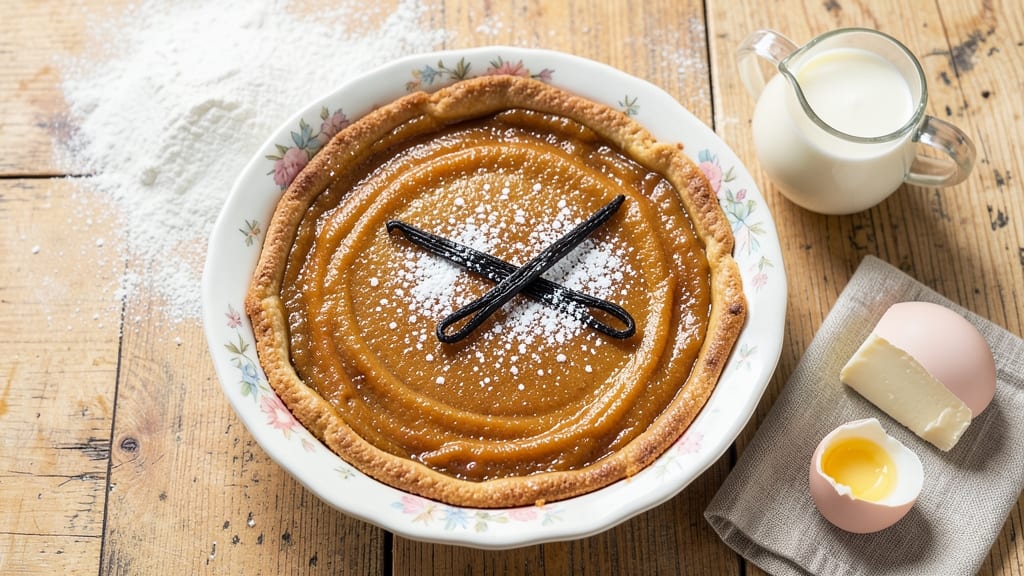
This grandma's old-fashioned baked egg custard recipe brings back the comforting flavors of childhood Sunday breakfasts—silky smooth, lightly sweetened, and perfumed with real vanilla bean. The secret lies in slow baking and precise timing, which transforms simple ingredients into a dessert-worthy custard that’s creamy without being heavy.
I’ve perfected this version after years of testing, ensuring the texture stays velvety and the vanilla flavor shines through every spoonful.
What makes this custard truly special is its versatility—serve it warm with a drizzle of caramel for a classic crème caramel, or chill it for a refreshing dessert.
The recipe relies on just a few high-quality ingredients: eggs, cream, sugar, and vanilla, all combined in the right proportions for foolproof results. No fancy equipment is needed, just a steady oven and patience to let the custard set properly.
By the time you’re done, you’ll have a custard so smooth it practically melts in your mouth, with a delicate vanilla aroma that fills the kitchen. The key is baking it at the right temperature—too hot, and it curdles; too cool, and it never sets.
This method guarantees a perfect texture every time, whether you’re making it for a family gathering or a quiet afternoon treat.
Garnish with a sprinkle of ground cinnamon or a dusting of powdered sugar for an extra touch of elegance. Leftovers keep beautifully in the fridge for up to three days, making this the ideal make-ahead dessert for busy mornings. Let’s get started on creating this timeless classic!
Ingredients for grandma's old fashioned baked egg custard
Six simple ingredients transform into velvety custard with vanilla's timeless aroma.
| Ingredient | Amount | Notes |
|---|---|---|
| Large Eggs 🥚 | 6 whole | Room temperature preferred |
| Heavy Whipping Cream 🥛 | 2 cups | Full-fat for best texture |
| Granulated Sugar 🍚 | ¾ cup | White or light brown |
| Vanilla Bean 🌿 | 1 whole | Scraped seeds and pod |
| Unsalted Butter 🧈 | ¼ cup | Cold, cubed pieces |
| All-Purpose Flour 🌾 | ⅛ cup | For thickening |
| Salt 🧂 | ¼ tsp | Fine sea salt |
| Ground Cinnamon 🌶️ | ½ tsp | For garnish |
| Powdered Sugar 🍚 | ¼ cup | For dusting |
| Heavy Cream 🥛 | ½ cup | For caramel drizzle |
| Brown Sugar 🍚 | ¼ cup | Packed, for caramel |
| Vanilla Extract 🌿 | 1 tsp | Pure, for caramel |
The vanilla bean is non-negotiable here—Madagascar bourbon or Tahitian varieties deliver the richest flavor. Most grocery stores carry vanilla beans, but specialty shops like Williams Sonoma or Penzeys offer higher-quality options. Look for plump, moist beans with deep color and visible seeds. If you can't find a whole bean, high-quality vanilla extract works, but the seeds add that signature speckled look. The eggs should be large and fresh—older eggs can curdle more easily. Store them in the fridge until ready to use, and let them sit at room temperature for about 30 minutes before cracking to ensure a smoother texture.
No vanilla bean? Double the vanilla extract and add a pinch of almond extract for depth. Substituting heavy cream with half-and-half works in a pinch, but the texture won't be as rich. For the caramel, if brown sugar isn't available, white sugar plus a splash of molasses mimics the flavor. The flour is critical for thickening—cornstarch at half the amount can replace it if needed, but it may alter the texture slightly. If you're making this ahead, pre-measure all ingredients the night before to streamline the morning process.
This custard keeps beautifully in the fridge for up to 3 days, though it's best enjoyed within the first 24 hours. For make-ahead convenience, prepare the custard mixture in ramekins the night before, cover tightly, and refrigerate. When ready to bake, simply pop them in the oven. The caramel drizzle can be made up to 2 days ahead and reheated gently before serving. To reheat the custard, warm it in a 350°F oven for 10-15 minutes or microwave in 30-second bursts until just warmed through. Avoid overcooking, or the texture will break.
Why You'll Love This Recipe
- Five-Ingredient Magic: I swear by this recipe because it’s the kind of dish that makes you feel like you’ve actually cooked—without the fuss. Just eggs, cream, sugar, vanilla, and butter. That’s it. No fancy gadgets, no last-minute grocery runs. The custard practically bakes itself while you sip coffee and pretend you’re not really cooking.
- Velvet Smoothness: Between us, this custard is ridiculously good—creamy, sweet, and that vanilla bean? It’s the star. The butter adds this buttery richness that makes every bite feel like dessert, even when you’re sneaking it for breakfast. Honestly, I’ve made it for brunch, dessert, and even as a fancy-ish side for dinner.
- Leftovers for Days: This recipe makes enough to feed a crowd, but even if it’s just you, it reheats like a dream. Store it in the fridge for up to five days, and it’s still silky smooth. Freeze it too—just thaw overnight, and it’s like you made it fresh. My go-to when I’m lazy (or when company drops by unexpectedly).
- Weeknight Approved: No one has time to fuss over elaborate desserts, but this? It’s done in under an hour, with minimal effort. The eggs and cream do all the heavy lifting while you mix, pour, and wait. Even my kid can “help” crack the eggs (most of the time, anyway). Perfect for when you want something special without the stress.
Step-by-step instructions for grandma's old-fashioned baked egg custard
This classic custard delivers velvety texture and rich vanilla flavor—every step ensures perfect smoothness.
Prepare the Vanilla Sugar Mixture
Split the 1 whole vanilla bean lengthwise and scrape out the seeds using the back of a knife. In a small bowl, combine the seeds with the 0.75 cup granulated sugar and let sit for 10 minutes. This infuses the sugar with deep vanilla flavor that will permeate the entire custard.
While waiting, whisk together the 6 whole large eggs in a separate bowl until no streaks remain. The room-temperature eggs will blend more smoothly into the custard mixture. I've found this pre-infusion step makes all the difference in flavor development—don't skip it.
Combine Wet Ingredients for Smooth Texture
In a large mixing bowl, gently fold the vanilla-infused sugar into the eggs. Add the 2 cups heavy whipping cream and 0.25 cup unsalted butter (cold and cubed), mixing just until fully incorporated. The butter should melt slightly but remain in small pieces for even distribution.
Whisk in the 0.125 cup all-purpose flour, 0.25 teaspoon salt, and 0.5 teaspoon ground cinnamon until smooth. This creates a thick batter that will transform into silky custard. The flour acts as a natural thickener while the cinnamon adds subtle warmth that pairs beautifully with the vanilla.
Prepare the Baking Dishes
Preheat your oven to 325°F. Generously butter 6 individual ramekins (or one 9-inch baking dish) using the remaining 0.25 cup unsalted butter. The butter should coat the bottom and sides completely—this prevents sticking and creates a golden crust.
Pour the custard mixture evenly into the prepared dishes. For perfect results, fill them only ¾ full—this allows room for expansion and prevents spillage. Tap each dish gently on the counter to release any air bubbles that might disrupt the smooth surface.
Bake to Perfect Doneness
Place the custards in a deep baking dish and carefully pour hot water into the dish until it reaches halfway up the sides of the ramekins. This water bath creates gentle, even heat that prevents cracking while ensuring silky texture. Bake for 40-45 minutes until the edges are set but the centers still jiggle slightly.
To test doneness, gently shake each ramekin—if the custard moves like a gentle wave rather than liquid, it's ready. The internal temperature should read 170°F at the center. Remove from the water bath and let cool for 10 minutes before chilling in the refrigerator for at least 2 hours—this step develops the final texture.
Serve with Caramel Drizzle
While the custards chill, prepare the caramel drizzle by combining 0.5 cup heavy cream, 0.25 cup packed brown sugar, and 1 teaspoon vanilla extract in a small saucepan. Bring to a simmer over medium heat and cook for 5-7 minutes until thickened to a glossy consistency.
Dust the chilled custards with 0.25 cup powdered sugar and drizzle with the warm caramel. Serve immediately for the perfect balance of creamy custard and rich caramel sweetness. The contrast of temperatures makes each bite unforgettable—just like Grandma used to make.
Pro Tips For Making Grandma'S Old Fashioned Baked Egg Custard
- Whisk the eggs cold: I learned this the hard way—warm eggs turn into scrambled eggs in custard form. Whisk yolks and whites separately in a chilled bowl, then slowly combine. Cold eggs emulsify better and give you that silky texture grandma’s version has.
- Scrape the vanilla bean: Sounds weird, but it works—split the vanilla bean lengthwise and scrape out every last bit of those tiny black seeds with the tip of a knife. Toss the scraped pod into the cream while heating; the leftover seeds add depth you won’t get from extract alone.
- Steam the custard first: After pouring into ramekins, place them in a deep baking dish with about 2 inches of hot water. The steam helps set the custard evenly before it hits the oven. I used to skip this, and half my batches would either curdle or stay runny.
- Use room-temperature cream: Cold heavy cream curdles eggs like a grumpy teenager. Let it sit out for 30 minutes before mixing—just enough to take the chill off. Warm it gently if you’re in a rush, but don’t boil it. The custard will thank you with a smoother finish.
Dietary considerations for this recipe
Dairy-Free Adaptation
For a dairy-free version, replace the 2 cups heavy whipping cream with 2 cups full-fat coconut milk (canned, for creaminess) and use dairy-free butter like Miyoko's or Earth Balance.
The vanilla bean and eggs remain the same, but you may need to add 1 extra tablespoon of cornstarch to compensate for the thinner texture. Chill the custard for an additional 30 minutes to ensure proper setting.
Gluten-Free Version
This custard is naturally gluten-free, but if you want to thicken it further without flour, use 2 tablespoons cornstarch mixed with 2 tablespoons cold water as a slurry. Whisk it into the egg mixture before adding other ingredients.
The texture remains silky, but the custard will set slightly firmer. Always check your vanilla extract and spices for hidden gluten.
Lower Sugar Option
Reduce the granulated sugar to ½ cup and use ½ cup monk fruit sweetener or erythritol (like Lakanto) for a diabetic-friendly version. The vanilla flavor still shines, and the custard maintains its creamy texture.
Keep the caramel drizzle separate or make it with sugar-free caramel sauce (available at Trader Joe's).
Egg-Free Substitution
For an egg-free custard, replace the 6 eggs with 1 cup aquafaba (chickpea brine) whipped to stiff peaks, mixed with 2 tablespoons cornstarch. The texture will be lighter but still rich.
Add ½ teaspoon cream of tartar to stabilize the aquafaba. Bake at 325°F for 50-55 minutes—the egg-free version needs slightly longer to set.
Nut-Free & Allergen-Friendly
This recipe is already nut-free, but double-check your vanilla extract and powdered sugar for cross-contamination warnings. For extra safety, use certified gluten-free vanilla extract (like McCormick) and Bob's Red Mill powdered sugar. The custard remains safe for most common allergies while keeping its signature vanilla-kissed flavor.
Keto-Friendly Adjustments
To make this keto-friendly, reduce the sugar to ¼ cup and add 2 tablespoons erythritol or monk fruit sweetener. Replace the heavy cream with 2 cups unsweetened almond milk (like Silk) and use ¼ cup almond flour instead of regular flour.
The custard will be lighter but still delicious, with a subtle nutty undertone from the almond milk.
Nutrition facts
Frequently asked questions
Why does my custard look grainy instead of silky?
Overmixing the eggs or using cold ingredients can cause graininess. Whisk eggs gently and ensure all ingredients (especially eggs and cream) are at room temperature. Also, avoid baking beyond 170°F—overcooking creates curdling. For extra smoothness, strain the mixture through a fine-mesh sieve before baking.
Can I make this custard in a slow cooker instead of the oven?
Use the same recipe but pour the mixture into a 4-quart slow cooker> lined with a buttered dish. Cook on low for 2-2.5 hours, ensuring the center reaches 170°F. The water bath isn't needed, but cover the dish with foil to prevent drying. Chill thoroughly before serving.
How do I fix a custard that cracked while baking?
Cracking usually happens from sudden temperature changes or overfilling ramekins. To salvage it, gently reheat the cracked custard in a 325°F oven for 10 minutes>, then chill again. The texture may be slightly less smooth, but it’ll still taste delicious. For next time, reduce filling to ¾ full> and avoid opening the oven door mid-bake.
What’s the best way to reheat leftover custard?
For a creamy texture, reheat individual portions in a 350°F oven for 10-15 minutes> or microwave in 20-second bursts> until just warmed through. Avoid boiling—it turns custard rubbery. A quick fix for room-temperature serving: dust with powdered sugar> and drizzle with warm caramel to refresh the flavors.
Can I use this recipe for a large gathering? How do I scale it?
Yes! Multiply ingredients by 2-3x> for a crowd. Use a 9x13-inch baking dish> instead of ramekins, reducing baking time to 30-35 minutes>. For easier serving, chill in the pan, then cut into squares. Keep extra custard in the fridge for up to 3 days> or freeze in portions for 1 month> (thaw overnight in the fridge).