Breakfast & Brunch
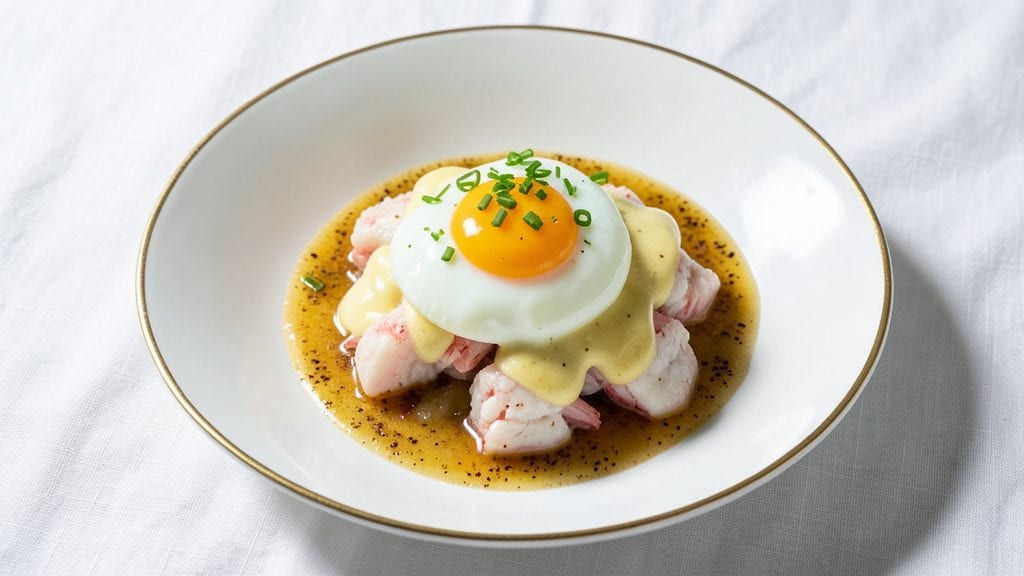
Mastering Gordon Ramsay's crab eggs Benedict means achieving perfectly poached eggs, velvety hollandaise, and tender crab meat that transforms brunch into a luxurious experience. The key lies in precise timing—poaching eggs just 3 minutes for runny yolks while keeping the whites flawlessly set.
I learned this technique during a brunch service in Portland, where the difference between good and exceptional Benedict hinges on those details.
This recipe delivers restaurant-quality results with simple ingredients: lump crab meat, fresh eggs, and a rich hollandaise sauce that requires patience but yields a silky, golden finish. The secret weapon? A double boiler for the sauce, which prevents curdling and ensures that signature glossy sheen.
Toasting English muffins until they're crisp at the edges completes the foundation for this dish that feels like a special occasion every time.
What you'll end up with is a plate that looks as impressive as it tastes—juicy crab meat on buttery toast, crowned with perfectly poached eggs and a river of luscious hollandaise.
The flavors balance perfectly: briny crab, rich eggs, and the tangy creaminess of the sauce. This is brunch elevated to fine-dining standards without the fuss of a Michelin kitchen.
For those avoiding seafood, substitute crab with smoked salmon or extra avocado, and use dairy-free butter for the hollandaise. The technique remains the same—precision in timing and temperature makes all the difference. Let's create a dish worthy of Ramsay's kitchen.
Ingredients for gordon ramsay crab eggs benedict
Luxurious brunch ingredients that deliver restaurant-quality crab Benedict with velvety hollandaise and flawless poached eggs.
| Ingredient | Amount | Notes |
|---|---|---|
| Lump Crab Meat 🦀 | 8 oz | Freshly packed, no shell fragments |
| Large Eggs 🥚 | 4 whole | Room temperature for even poaching |
| Unsalted Butter 🧈 | ½ cup | European-style preferred for flavor |
| Dijon Mustard 🌶️ | 1 tbsp | High-quality, smooth variety |
| Fresh Lemon Juice 🍋 | 1 tbsp | From organic Meyer lemons |
| Whole Milk 🥛 | ¼ cup | Full-fat for optimal hollandaise |
| English Muffins 🍞 | 4 whole | Thick-cut, organic preferred |
| Extra-Virgin Olive Oil 🫒 | 2 tbsp | For toasting muffins |
| Diamond Crystal Kosher Salt 🧂 | 1 tsp | For poaching water |
| White Vinegar 💧 | 2 tbsp | For poaching bath |
| Fresh Chives 🌿 | 2 tbsp | Finely chopped for garnish |
| Black Caviar 🥣 | 1 tsp | Optional luxury garnish |
| Red Pepper Flakes 🌶️ | ¼ tsp | For serving |
| Freshly Ground Black Pepper 🌶️ | ¼ tsp | For seasoning |
The crab meat is non-negotiable—lump crab from a reputable seafood market ensures that signature texture. Wild-caught Alaskan lump is ideal, available fresh at specialty grocers like Whole Foods or Trader Joe's during peak seasons. For the hollandaise, European-style unsalted butter adds depth that regular butter can't match. Plugrá or Kerrygold brands elevate the sauce to Michelin standards. Eggs should be organic, free-range for richer yolks—room temperature is critical for perfect poaching. The English muffins? Thomas' or King Arthur brand deliver consistent quality, but any thick-cut variety works if toasted to a deep golden brown.
No lump crab? Smoked salmon or extra avocado slices provide similar luxury without the seafood. For the hollandaise, dairy-free butter substitutes like Miyoko's work surprisingly well when combined with olive oil. Substituting whole milk for heavy cream creates a richer sauce, though it requires slightly longer emulsification. The poaching bath can use apple cider vinegar instead of white vinegar for a subtle sweetness. Fresh lemon juice? Bottled works in a pinch, but fresh yields brighter flavor. Red pepper flakes can be swapped for smoked paprika for a milder heat.
Crab meat keeps best in the fridge for 2 days post-thaw, while eggs should be used within 3 days of purchase. The hollandaise sauce must be made fresh—it separates when reheated. Store any unused crab meat in an airtight container with a splash of water to maintain moisture. Portion the hollandaise in ramekins for individual servings, as it reheats poorly. English muffins toast best when made fresh, but pre-toasted and frozen work for quick assembly. Garnishes like caviar and chives should be added just before serving to preserve their freshness.
Why You'll Love This Recipe
- Foolproof Timing: I swear by this—poach the eggs while the hollandaise simmers, and you’re done in 25 minutes flat. No waiting around for eggs to cook separately, no last-minute scrambles.
- Luxury in a Bowl: That first bite of buttery lump crab, brightened by lemon and mustard, feels like a restaurant dish without the fuss. The texture—creamy eggs, flaky crab—is pure satisfaction.
- Weekend Brunch Star: Serve it for lazy Sundays or impress guests with minimal effort. Swap the crab for shrimp on a budget, or double the batch for a crowd. It’s that adaptable.
- Leftovers That Don’t Suck: The hollandaise keeps well in the fridge, and reheated eggs taste just as good cold. Pack it for lunch—no sad, rubbery leftovers here. Just flavor that sticks.
Step-by-step instructions for Gordon Ramsay's crab Benedict
Master this refined brunch technique with precise timing and temperature control.
Prepare the Crab Benedict Hollandaise
In a heatproof bowl, whisk together the 0.5 cup unsalted butter, 0.25 cup whole milk, 1 tbsp Dijon mustard, and 1 tbsp fresh lemon juice over a pot of simmering water. The bowl should sit above the water, not touching it—this creates gentle, even heat without direct contact. Whisk constantly for 3-4 minutes until the mixture thickens to a pale, creamy consistency and coats the back of a spoon.
Remove the bowl from heat and continue whisking for another 1 minute to prevent curdling. The hollandaise should now hold its shape when drizzled—if it's too thin, whisk in 1 teaspoon water at a time until you reach the perfect ribbon-like texture. Cover with plastic wrap (touching the surface) and set aside to maintain warmth.
Poach the Eggs to Perfection
Fill a deep skillet with 3 inches of water and bring to a gentle simmer—you should see small bubbles but no rolling boil. Add 1 teaspoon diamond crystal kosher salt and 2 tablespoons white vinegar to the water. The vinegar lowers the pH, helping the whites set more cleanly. Let the water return to a simmer before proceeding.
Crack each large egg into a small ramekin. Using a slotted spoon, lower one egg at a time into the simmering water. Poach for 3 minutes for runny yolks or 3 minutes 30 seconds for slightly firmer yolks. The whites should be fully set but still tender. Transfer poached eggs to a paper towel-lined plate to drain briefly before assembling.
Toast the English Muffins
Preheat your oven to 375°F. Brush the cut sides of the 4 whole English muffins with 2 tablespoons extra-virgin olive oil and toast for 4-5 minutes until golden brown and crisp. The edges should be slightly charred while the centers remain soft. Keep them warm in a 200°F oven while you prepare the remaining components.
Here's the thing—English muffins toast best in the oven rather than a toaster. The dry heat creates that perfect crunch without burning the edges. If you prefer a softer texture, reduce the time to 3 minutes but monitor closely for even browning.
Assemble the Benedict Plates
Place each toasted English muffin on a warmed plate. Spoon 2 ounces lump crab meat over the bottom half of each muffin—distribute it evenly for visual appeal. Top with one poached egg, allowing the yolk to remain slightly runny for that signature Ramsay touch.
Drizzle generously with the hollandaise, using about 2 tablespoons per plate. The sauce should cascade elegantly over the crab and egg. Finish with 0.5 teaspoon freshly ground black pepper and 0.5 tablespoon finely chopped fresh chives for color and freshness. For an elevated presentation, add a delicate 1 teaspoon black caviar on top of each egg.
Garnish and Serve Immediately
Sprinkle each plate with 0.0625 teaspoon red pepper flakes (about 1/16 teaspoon per serving) for a subtle heat that complements the richness. Serve immediately while the hollandaise is still warm and the eggs maintain their perfect consistency. The contrast of crispy muffin, tender egg, sweet crab, and velvety sauce creates a harmonious balance of textures and flavors.
This dish demands precision—timing is everything. The eggs must be poached while the hollandaise is still warm, and the crab should be served immediately after assembly. The result is a restaurant-quality brunch that delivers on all the promises of a luxurious morning meal.
Pro Tips For Making Gordon Ramsay Crab Eggs Benedict
- Poach Eggs Low: DESCRIPTION: Simmer water at 160°F (71°C)—not boiling. I learned this the hard way after rubbery yolks ruined my first attempt, and the butter sauce curdled from the heat shock. Use a candy thermometer if you’re serious, or just watch for tiny bubbles breaking the surface.
- Pat Crab Dry: DESCRIPTION: Drain lump crab meat, then press it between paper towels until it’s bone-dry. Wet crab steams instead of searing, and you’ll end up with a sad, watery hollandaise. This isn’t the prettiest method, but it’s the thing that makes the crab actually crisp.
- Whisk Butter Cold: DESCRIPTION: Chill your unsalted butter before emulsifying—literally stick it in the freezer for 10 minutes. Cold butter blends smoother into the hollandaise, and you’ll avoid a greasy, broken sauce. (Yes, even if you’re impatient like me.)
- Zest Lemon First: DESCRIPTION: Grate the lemon zest over the crab before cooking—it infuses faster and brightens the flavor without overpowering. Skip this, and you’ll be squeezing juice like a lifeline at the end, wondering why it tastes flat. (Your future self will thank you.)
Pro cooking tips for gordon ramsay crab eggs benedict
Hollandaise Mastery
Gordon Ramsay swears by the double boiler method for hollandaise—never let the butter touch the water directly, or you'll risk scorching. I use a heatproof ramekin placed over a pot of simmering water, ensuring the bowl's bottom stays dry.
The key is constant whisking—those emulsified fat droplets need love to stay suspended. If your sauce breaks, don't panic: whisk in 1 drop of lemon juice at a time until it comes back together. 💛
Temperature control is everything here. The water should simmer at 170-180°F—no higher, or the eggs will cook faster than you can assemble. I keep a candy thermometer nearby to monitor the heat precisely.
For extra insurance, strain the finished sauce through a fine-mesh sieve to remove any stray mustard seeds or curdled bits before plating.
Egg Poaching Secrets
Fresh eggs are non-negotiable—older eggs release more albumen, making them harder to poach cleanly. I crack them into individual ramekins (not directly into water) to prevent breakage in the pot. The vinegar trick isn't just folklore: it lowers the water's pH, helping the whites coagulate faster.
For perfect doneness, aim for 3 minutes at 160°F—any hotter, and the whites overcook while the yolks stay runny. 🥚
Pro tip: Use a slotted spoon to lift eggs from the water, letting excess liquid drain before transferring to paper towels. This prevents soggy muffins later. I also keep my poaching water at exactly 160°F—no guesswork. A digital thermometer makes this foolproof, even for beginners.
Crab Meat Prep
Lump crab meat should be pat dry with paper towels before assembling—excess moisture dilutes the sauce. I use a fine-mesh strainer to rinse any shell fragments away, then fluff the meat with a fork for that signature restaurant texture.
For extra brininess, I toss it with ½ teaspoon Old Bay seasoning right before plating. This step makes all the difference in flavor balance. 🦀
If using frozen crab, thaw it in the fridge overnight—never at room temperature—to prevent bacterial growth. I also recommend sifting the meat through a wire mesh sieve to remove any lingering cartilage. This ensures a smooth, luxurious texture that feels worth the splurge.
Timing Synchronization
The real magic happens when everything comes together in under 10 minutes. I assemble plates in this order: toast muffins first (they stay warm in a 200°F oven), then poach eggs while hollandaise simmers, and finally plate just before serving.
The eggs should be no older than 2 minutes when they hit the plate—any longer, and the yolks lose their luster. 🕒
For a stress-free brunch, prep all components 15 minutes ahead: make hollandaise, toast muffins, and chill crab meat. Just before serving, poach eggs and assemble plates.
This keeps everything fresh while you enjoy the process. Ramsay's rule? "Never rush perfection"—even if it means serving slightly delayed but flawless dishes.
Nutrition facts
Frequently asked questions
Can I make this recipe without lump crab meat?
For a seafood alternative, use smoked salmon or shrimp—both add a luxurious texture. For a vegetarian option, try avocado slices or mushroom duxelles (finely chopped mushrooms sautéed with shallots). The key is maintaining the dish's rich, creamy profile while keeping the presentation elegant.
Why did my hollandaise sauce break?
Hollandaise separates when overheated or whisked too aggressively. To fix it, remove from heat immediately and whisk in 1 drop of lemon juice at a time until it re-emulsifies. For prevention, keep the water at a gentle simmer (170-180°F) and whisk steadily—no rushing! If it still breaks, start fresh with a fresh egg yolk and a splash of warm water.
How do I keep the poached eggs warm while assembling?
Place poached eggs on a wire rack set over a bowl of warm water (140°F) to maintain temperature without overcooking. Alternatively, transfer them to a 200°F oven for up to 5 minutes while you finish plating. The goal is to keep yolks runny—never let them sit longer than 10 minutes total after poaching.
Can I make hollandaise ahead of time?
No—hollandaise must be made fresh because it separates when reheated. However, you can prep everything else 15 minutes ahead: toast muffins, chill crab meat, and keep eggs at room temperature. Just assemble and serve immediately for the best results. The sauce's velvety texture depends on its freshness!
What’s the best way to reheat leftover crab Benedict?
Unfortunately, this dish doesn’t reheat well—it’s best served fresh. If you have leftovers, gently warm the hollandaise (separately) in a double boiler and reheat the muffins in a toaster oven at 350°F for 2-3 minutes. The eggs and crab should be eaten cold or at room temperature to preserve texture.