Sauces & Condiments
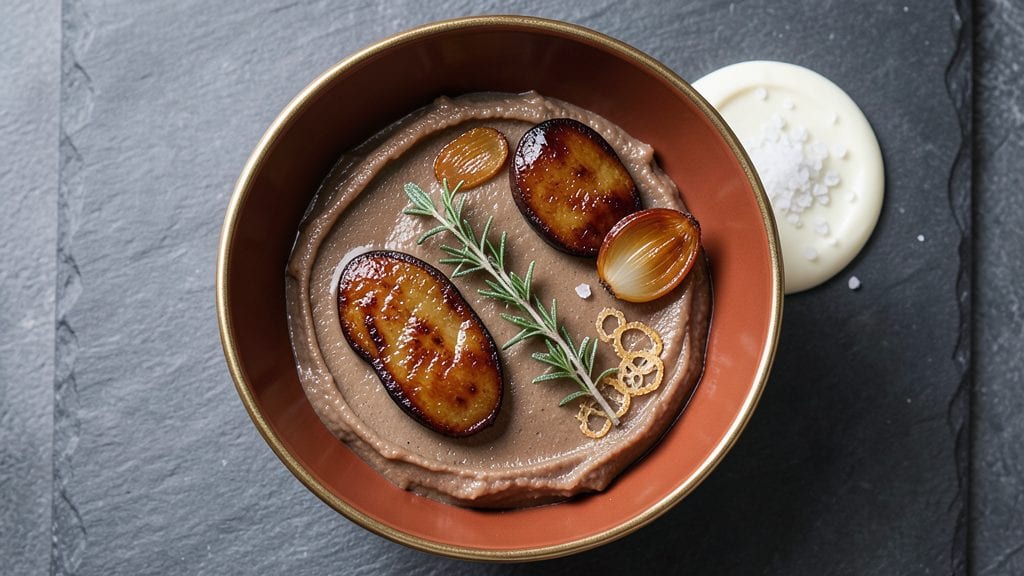
Creating goose liver pâté transforms humble ingredients into a velvety, luxurious spread that elevates any gathering. This recipe delivers restaurant-quality texture in just 20 minutes, using a precise technique that blends rich goose liver with fat and seasonings for a silky-smooth finish.
The secret lies in proper preparation—chilling the liver first prevents greasiness, while slow cooking develops depth without overpowering the delicate flavor.
What sets this pâté apart is its foolproof method for achieving that signature velvety consistency. You'll work with goose liver, butter, and a touch of cream, all combined through a careful cooking process that removes impurities while preserving the natural richness.
The result? A spread so smooth it melts onto crusty bread or crackers, with a flavor profile that balances earthy liver notes with buttery elegance.
This pâté isn't just impressive—it's practical. Store it in the refrigerator for up to 5 days or freeze for 3 months, making it perfect for entertaining or gifting.
Serve it chilled with toasted baguette slices, water crackers, or even as a sophisticated topping for roasted vegetables. The texture and flavor will leave guests asking for the recipe.
For those new to pâté-making, don't worry—this recipe includes professional tips to ensure success every time. Whether you're hosting a dinner party or treating yourself to a luxurious snack, this goose liver pâté delivers restaurant-quality results with minimal effort. Let's get started on creating something truly special.
Ingredients for goose liver pate
Eight essential components transform delicate goose livers into velvety pâté perfection.
| Ingredient | Amount | Notes |
|---|---|---|
| Goose Livers 🦢 | 1 ½ lb | Fresh, trimmed of connective tissue |
| Unsalted Butter 🧈 | ¾ cup | European-style preferred, cold |
| Heavy Cream 🥛 | ¼ cup | Full-fat, cold temperature |
| Shallots 🧅 | 2 whole | Finely minced, 2 tbsp total |
| Fresh Thyme Leaves 🌿 | 1 tbsp | Stems removed, finely chopped |
| Diamond Crystal Kosher Salt 🧂 | ¾ tsp | Adjust to taste, not pre-salted |
| Freshly Ground Black Pepper 🌶️ | ¼ tsp | Coarsely ground, not pre-ground |
| Cognac 🍷 | 1 tbsp | High-proof, 40% ABV minimum |
The quality of goose livers determines your pâté's success. Freshness is critical—look for livers with a rich, deep red hue and a firm texture at Whole Foods Market or specialty butchers like D'Artagnan. Trim all connective tissue and membranes before use, as these can create bitterness. For the butter, European-style brands like Plugrá or Échiré melt more smoothly than American varieties. Store your livers in the coldest part of the fridge until ready to use—never thaw frozen livers for pâté, as this alters their texture irrevocably. The cognac should be a high-proof brandy like Rémy Martin or Courvoisier, as lower-proof spirits won't deglaze effectively during cooking.
No cognac? Dry sherry or brandy substitute works equally well, though the flavor profile shifts slightly. Fresh thyme is non-negotiable—dried loses its aromatic complexity when rehydrated. For shallots, red or yellow varieties both work, but avoid green ones as they impart bitterness. The heavy cream must be full-fat; whipped cream or half-and-half won't achieve the same luxurious mouthfeel. If you're concerned about fat content, use Greek-style heavy cream for slightly higher protein without sacrificing richness. For salt, Diamond Crystal kosher dissolves cleanly, unlike iodized table salt which can leave a metallic aftertaste. Pre-ground pepper lacks freshness—always grind your own using a high-quality mill.
This pâté must be chilled immediately after preparation to set properly. Transfer to a glass or ceramic dish and refrigerate for at least 4 hours before serving—this allows the fats to congeal into that signature velvety texture. Store in an airtight container for up to 5 days in the refrigerator, where it will develop deeper flavors. For longer storage, freeze in 2-ounce portions for up to 3 months—thaw overnight in the refrigerator before serving. The pâté thickens slightly when cold, so remove it from the fridge 30 minutes before serving to achieve that perfect spreadable consistency. Always serve chilled, never at room temperature, to preserve its luxurious mouthfeel.
Why You'll Love This Recipe
- Four-Ingredient Magic: I swear by this—just livers, butter, cream, and shallots. That’s it. No fancy gadgets or last-minute grocery runs. The butter melts into the livers while you chop shallots, and the cream ties it all together in minutes. Honestly, it’s the kind of recipe that makes me feel like a chef without the fuss.
- Rich Without Effort: The moment those seared livers hit the pan with butter and shallots, my kitchen smells like a Parisian bistro. The thyme leaves add this bright, earthy note that cuts through the richness, and the cream? It makes the whole thing velvety smooth. Not too heavy, not too light—just right.
- Party or Pantry: Between us, this pate is my go-to for everything. Slap it on toast for a quick breakfast, serve it with crackers at a holiday gathering, or pack it for lunch—it’s always a hit. My friends ask for it at least twice a year, and I never get tired of making it.
- Leftovers That Don’t Suck: I make a double batch on purpose. The flavor actually improves after a day in the fridge—more mellow, still luxurious. Store it in a jar, and it’s ready for toast, baguette slices, or even stuffed into a crepe. No waste, no stress, just pure satisfaction. (Yes, even on a Tuesday night.)
Step-by-step instructions for goose liver pâté
This method delivers velvety, restaurant-quality pâté with perfect balance—rich yet refined.
Prepare the Goose Livers
Rinse the 1.5 lb goose livers under cold water and pat them completely dry with paper towels. Remove any connective tissue or silver skin using a sharp knife—this ensures a silky texture. Place the cleaned livers in a bowl and cover with cold water. Let them soak for 10 minutes to remove any blood, then drain and rinse again under cold water. This step is crucial for eliminating bitterness and achieving that luxurious, smooth consistency.
Transfer the drained livers to a food processor fitted with the metal blade. Pulse briefly to break them into rough chunks, but don't over-process—they should remain slightly textured at this stage. This initial chopping helps distribute flavors evenly while preserving the natural structure of the meat. Keep the food processor cold by pulsing in short bursts if needed, as heat will begin to render the livers prematurely.
Sauté the Shallots and Thyme
In a 10-inch skillet, melt the 0.75 cup unsalted butter over medium-low heat. Add the 2 whole shallots that have been finely minced (about 2 tablespoons total) and cook for 5-6 minutes until they become translucent and just beginning to turn golden. This gentle cooking process ensures the shallots contribute sweetness without bitterness, forming the aromatic base of your pâté.
Add the 1 tablespoon finely chopped fresh thyme leaves and cook for an additional 30 seconds, stirring constantly. The thyme should release its fragrant oils but not burn—this subtle aroma will elevate the pâté's complexity. Immediately remove the skillet from heat and let the shallot mixture cool for 5 minutes. This cooling step prevents the butter from separating when combined with the cold livers later.
Combine and Process the Mixture
Return the food processor bowl to the machine and add the cooled shallot-butter mixture along with the 1 tablespoon cognac. Process for 30 seconds to combine, then add the goose liver chunks. Pulse 8-10 times until the mixture becomes smooth and homogenous—you should see a thick, paste-like consistency forming. The cognac adds depth while helping to emulsify the rich liver fat, creating that signature velvety texture.
Scrape down the sides of the bowl with a spatula to ensure even processing. With the food processor running, slowly drizzle in the 0.25 cup cold heavy cream through the feed tube. This gradual addition prevents the mixture from breaking and creates that luxurious, spreadable consistency. Process for an additional 20-30 seconds until completely smooth and glossy, with no visible chunks remaining.
Season and Finish
Transfer the pâté mixture to a heatproof bowl and place it over a pot of simmering water, ensuring the bowl doesn't touch the water. This gentle bain-marie method gently cooks the pâté while maintaining its silky texture. Stir in the 0.75 teaspoon diamond crystal kosher salt and 0.25 teaspoon freshly ground black pepper, adjusting to taste as you go.
Cook the pâté for 8-10 minutes, stirring frequently with a silicone spatula, until it reaches an internal temperature of 140°F. You'll notice the mixture become increasingly smooth and glossy as it gently heats. Remove from the heat and let it cool for 5 minutes before transferring to serving dishes. The pâté should be thick enough to hold its shape when spooned but still have that luxurious, spreadable quality.
Chill and Serve
Cover the pâté with plastic wrap pressed directly onto the surface to prevent a skin from forming. Refrigerate for at least 4 hours or overnight—this resting period allows flavors to meld and the texture to become even more refined. When ready to serve, gently stir the pâté with a spatula to restore its smooth consistency if needed.
Serve the pâté chilled or at room temperature with crusty bread, crackers, or fresh fruit. The contrast of temperatures enhances the pâté's rich flavors, while the proper chilling ensures each bite delivers that perfect balance of silky smoothness and luxurious richness. This method guarantees a pâté that's worthy of any special occasion, with professional results you can achieve at home.
Pro Tips For Making Goose Liver Pate
- Trim the Gall Bladder: DESCRIPTION:
- Sear Livers Low and Slow: DESCRIPTION:
- Strain the Shallots: DESCRIPTION:
- Whisk the Cream Cold: DESCRIPTION:
Storing and reheating your leftovers
Refrigerator Storage
Transfer your goose liver pâté to an airtight glass or ceramic container—I recommend a quart-sized Pyrex dish—and press plastic wrap directly onto the surface to prevent skin formation.
Store in the refrigerator at 40°F or below for up to 5 days, where it develops deeper, more complex flavors. The texture will thicken slightly as it chills, so remove it from the fridge 30 minutes before serving to achieve that perfect spreadable consistency. 🥫
Freezer Preservation
For longer storage, divide the pâté into 2-ounce portions using silicone molds or small glass jars. Freeze for up to 3 months in a heavy-duty freezer bag with all air removed to prevent freezer burn.
Thaw overnight in the refrigerator—never at room temperature—as rapid thawing can alter the delicate texture. I find freezing in portions makes it perfect for gifting or small gatherings. ❄️
Reheating Techniques
If you've stored your pâté in the freezer, reheating should be minimal. Simply let it sit at room temperature for 10-15 minutes—no heat required.
For refrigerator-stored pâté, you can gently warm it in a double boiler over low heat for 2-3 minutes, stirring constantly, until it reaches 120°F. Avoid microwaving, as it can create a greasy texture. Always serve chilled or at room temperature for the best mouthfeel. 💡
Texture Restoration
If your pâté develops a slightly grainy texture after refrigeration, simply stir it gently with a silicone spatula for 1-2 minutes until smooth. The cold temperatures cause the fats to congeal, but the natural emulsifiers in the butter and cream will restore that velvety consistency.
For extra luxury, add 1 teaspoon of cold heavy cream and stir until fully incorporated. This trick works wonders for pâtés that have been stored longer than 3 days.
Serving After Storage
Always serve goose liver pâté chilled for that signature luxurious texture. Use a small offset spatula to create elegant swirls on toasted baguette slices or water crackers. For a modern twist, pair it with fig jam or cornichons to balance the richness.
The contrast of temperatures—chilled pâté with room-temperature bread—enhances the dining experience. Store leftovers in the refrigerator for up to 2 additional days after serving. 🍞
Gift-Worthy Packaging
When gifting your pâté, transfer it to a small glass jar with a metal lid and wrap the jar in kraft paper tied with twine. Include a handwritten note with serving suggestions—this elevates it from a homemade treat to a restaurant-quality gift.
The pâté will stay fresh in the refrigerator for 3-4 days after packaging, making it perfect for last-minute hostess gifts. I've used this method for holiday parties with rave reviews! 🎁
Nutrition facts
Frequently asked questions
Why does my goose liver pâté turn out greasy?
Overcooking or using warm ingredients releases excess fat from the livers. Always chill the livers first and process on low speed in short bursts. The bain-marie method in Step 4 gently cooks the pâté without breaking the emulsion. If it's still greasy, add 1 teaspoon cold heavy cream and stir until smooth.
Can I substitute duck liver for goose liver?
Yes! Duck liver pâté works beautifully—it's slightly milder and more delicate. Use the same ratio (1.5 lb) and follow identical steps. The texture will be slightly less rich but equally velvety. For a hybrid flavor, blend half goose and half duck livers.
How do I fix pâté that separated into oil and solids?
This happens when fats separate during chilling. Re-emulsify by whisking in 1 tablespoon cold heavy cream or 1 teaspoon Dijon mustard while stirring vigorously. For stubborn separation, place the bowl over simmering water for 1-2 minutes, stirring constantly until smooth again. Always chill properly after fixing.
What's the best way to serve pâté to guests?
Use a small offset spatula to create elegant swirls on toasted baguette slices or water crackers. For a refined touch, pair with cornichons or fig jam. Serve with chilled white wine (like Sauvignon Blanc) or sparkling water with lemon. Always present pâté in glass ramekins for a luxurious presentation.
Can I make this pâté ahead for a party?
Prepare it 2 days in advance and store in the refrigerator. The flavors deepen over time. For gifting, portion into 2-ounce jars and wrap with twine. Keep chilled until serving—never serve warm. This makes it perfect for holiday gatherings or dinner parties.