Beverages
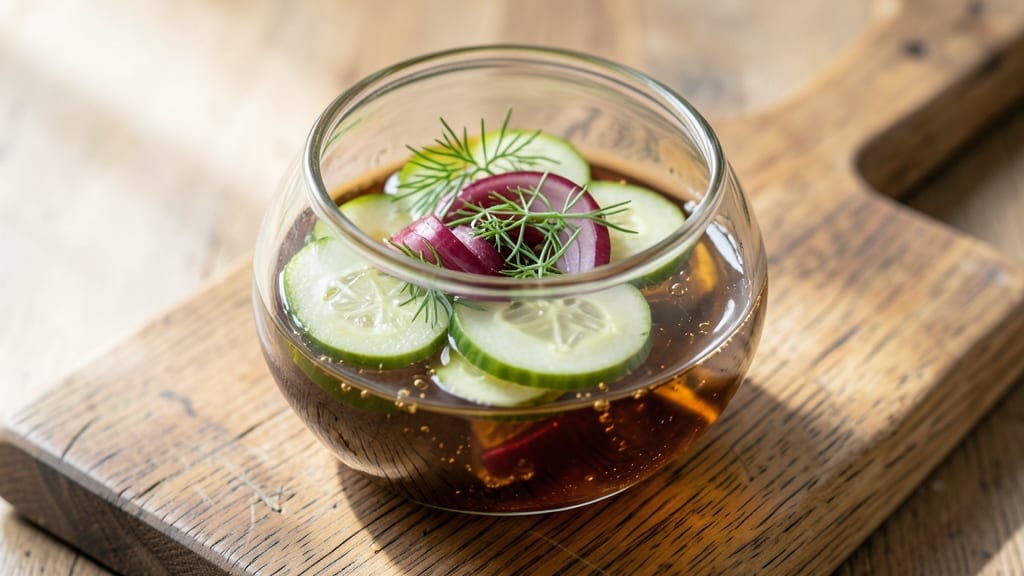
A food and wine pickle recipe transforms simple vegetables into a burst of vibrant flavors and satisfying crunch that elevates any meal.
This recipe blends the acidity of wine vinegar with aromatic herbs to create pickles that taste like a sophisticated appetizer—perfect for charcuterie boards or as a bold side dish. I developed this method after discovering how wine’s depth enhances traditional pickling, adding complexity beyond standard vinegar-based recipes.
The process is straightforward yet precise: thinly sliced vegetables—like cucumbers, onions, or even fruits—soak in a wine vinegar brine infused with garlic, mustard seeds, and fresh herbs. The fermentation time, typically 3 to 5 days, allows flavors to meld while maintaining that signature tang and crunch.
Unlike quick-pickle recipes, this method delivers a balanced acidity that’s neither too sharp nor overly sweet.
What sets these pickles apart is their versatility—they pair beautifully with rich cheeses, grilled meats, or even as a palate cleanser for spicy dishes. The wine’s subtle fruitiness shines through, making them a standout addition to any table.
Ready in just 10 minutes of prep with 3 days of resting, this recipe proves you don’t need fancy ingredients to create something extraordinary.
Once ready, store them in the refrigerator for up to 3 months, where their flavors continue to deepen. For best results, use a dry white wine like Sauvignon Blanc or a crisp red like Pinot Noir—both complement the pickling process beautifully.
Let’s get started on crafting pickles that taste like a gourmet touch.
Ingredients for food and wine pickle
Simple yet sophisticated ingredients transform vegetables into gourmet wine-infused pickles with vibrant crunch.
| Ingredient | Amount | Notes |
|---|---|---|
| Dry White Wine 🍷 | 2 cups | Sauvignon Blanc or Pinot Noir preferred |
| White Wine Vinegar 💧 | 1 cup | High-quality, 5% acidity minimum |
| Granulated Sugar 🍚 | ½ cup | Organic preferred for purity |
| Diamond Crystal Kosher Salt 🧂 | 1 ½ tbsp | Coarse grain for even distribution |
| Fresh Dill Weeds 🌿 | ½ cup | Tightly packed, stems removed |
| Fresh Tarragon Sprigs 🌿 | ¼ cup | French tarragon preferred |
| Garlic Cloves 🧄 | 6 whole | Thinly sliced, skin-on |
| Yellow Mustard Seeds 🌶️ | 1 tbsp | Whole, not ground |
| Black Peppercorns 🌶️ | 1 tsp | Crushed lightly |
| Fresh Juniper Berries 🌲 | 4 whole | Lightly crushed |
| Persian Cucumbers 🥒 | 3 whole | Thinly sliced into 1/8-inch rounds |
| Red Onion 🧅 | 1 whole | Thinly sliced into rings |
| Fresh Bay Leaves 🍃 | 2 whole | For infusion, removed before serving |
| Cold Water 💧 | 1 cup | Filtered preferred |
The wine selection is critical—Sauvignon Blanc or Pinot Noir provide the ideal balance of acidity and fruitiness. Trader Joe's and Whole Foods carry excellent dry white wines at reasonable prices, but avoid heavily oaked varieties. For vinegar, Bragg or Heinz are reliable choices, but specialty stores like Penzeys offer higher-quality options. Fresh herbs like tarragon and dill should be vibrant green with no wilting—local farmers markets often provide the freshest selections. Mustard seeds and juniper berries can be found in the spice aisle of most grocery stores, but bulk bins ensure maximum freshness and potency. The cucumbers and onions should be firm with no soft spots, indicating optimal freshness and crunch.
Substitutions can be made thoughtfully without compromising quality. Riesling or Chardonnay work well as wine alternatives, though they may alter the flavor profile slightly. If fresh tarragon is unavailable, dried tarragon at one-third the amount can be used, though the flavor will be less pronounced. For mustard seeds, ground mustard at half the quantity works in a pinch, but texture will differ. Juniper berries can be omitted entirely if unavailable, though they contribute a distinctive piney note. The bay leaves are purely for infusion and can be replaced with 1 tsp dried thyme if necessary. Sugar can be substituted with honey or agave at a 1:1 ratio, though the flavor will vary slightly.
Store the completed pickles in an airtight container in the refrigerator for up to 3 months, where their flavors will continue to develop and mellow. For best results, allow the pickles to sit at room temperature for 30 minutes before serving to enhance their crunch. The brine can be reused for up to 2 additional batches of vegetables, though flavor intensity will decrease with each use. When serving, remove the bay leaves and adjust seasoning if needed—additional vinegar can brighten flavors if the pickles have absorbed too much liquid, while a pinch of sugar can balance excess acidity.
Why You'll Love This Recipe
- No-Fuss Pantry Magic: I swear by this one—just toss in the wine, vinegar, and sugar, then let it sit. No peeling, no chopping, no stress. The dill and salt do all the work while you sip your own wine.
- Bright & Tangy: That white wine vinegar cuts through the sweetness like a breath of fresh air, and the dill? It’s like a little herb hug in every bite. Honestly, it’s the kind of pickle that makes you reach for seconds without thinking.
- Party in a Jar: Serve it at picnics, charcuterie boards, or even as a fancy side for steak night. It’s the one thing I always bring to gatherings because it’s effortless and universally loved.
- Lasts for Weeks: Make a big batch and forget about it—this stuff keeps for ages. Plus, the wine and vinegar stretch my dollar, so I’m always stocked up without breaking the bank. (Yes, even on a Tuesday night.)
Step-by-step instructions for vinegar-infused crunch with bold herbs
This method transforms simple vegetables into complex, aromatic pickles with layers of herbal depth and bright acidity.
Prepare the Vegetables for Maximum Surface Area
Begin by thinly slicing the 3 whole Persian cucumbers into 1/8-inch rounds using a mandoline or sharp knife. The uniformity ensures even exposure to the brine, which is critical for balanced flavor penetration. For the 1 whole red onion, slice into 1/8-inch rings—this thickness allows for quick infusion without becoming mushy.
Work quickly to prevent oxidation, which can dull the vibrant colors. Immediately transfer the sliced vegetables to a large bowl and set aside. The goal is to preserve their crisp texture while maximizing surface area for flavor absorption during the infusion process.
Create the Herb-Infused Brine Base
In a medium saucepan, combine the 2 cups dry white wine, 1 cup white wine vinegar, 0.5 cup granulated sugar, 1.5 tablespoons diamond crystal kosher salt, and 1 cup cold water. Bring to a gentle simmer over medium heat, stirring until the sugar and salt fully dissolve—this should take about 3-4 minutes. The mixture should be clear and homogeneous, with no visible graininess.
Remove from heat and let cool to room temperature. While it cools, lightly crush the 4 whole fresh juniper berries and 1 teaspoon black peppercorns with a mortar and pestle. Add the crushed juniper and peppercorns to the cooled brine along with the 6 whole garlic cloves (thinly sliced, skin-on), 1 tablespoon yellow mustard seeds, 2 whole fresh bay leaves, 0.5 cup fresh dill weeds, and 0.25 cup fresh tarragon sprigs. Stir gently to integrate the aromatics without bruising the herbs.
Sterilize and Pack the Vegetables
While the brine infuses, sterilize four 8-ounce mason jars by running them through a 260°F oven for 10 minutes to ensure a proper seal. Alternatively, boil them in water for 5 minutes. Pack the sliced cucumbers and onions tightly into the jars, leaving about 1 inch of headspace at the top. Use a wooden spoon to press down gently, ensuring the vegetables are submerged and evenly distributed.
Pour the herb-infused brine over the vegetables until fully covered, sealing any air bubbles with the spoon. Leave the jars open for 5 minutes to allow excess air to escape, then wipe the rims clean before sealing. This step prevents spoilage and ensures a vacuum seal that preserves the pickles for up to 6 months in the refrigerator.
Infuse and Rest for Optimal Flavor Development
Let the jars sit at room temperature for 24 hours to allow the flavors to meld. After this initial infusion, refrigerate for an additional 48 hours before consuming. The first 24 hours are critical for the herbs to release their oils and the spices to dissolve, while the refrigeration period enhances the texture and deepens the herbal notes.
Check the pickles after 72 hours—they should be crisp with a slight give, and the brine should be golden and fragrant with herbal undertones. If the cucumbers feel too soft after this time, they can still be enjoyed but are best used in dishes where texture is less critical, such as salads or sandwiches. For maximum crunch, consume within 10 days of the initial infusion.
Pro Tips For Making Food And Wine Pickle
- STIR BEFORE STEEPING: Mix the sugar, salt, and vinegar first—let that dissolve completely before adding the wine. I used to pour everything in at once, and the sugar would just sit at the bottom like tiny rocks, leaving my pickles bland and unevenly seasoned.
- USE FRESH DILL STEMS: Don’t toss the dill stems—chop them with the leaves. The stems add a deeper, earthier flavor that balances the brightness of the white wine vinegar, and they stay crunchy longer than you’d expect.
- DON’T RUSH THE INFUSION: Let the wine and vinegar mixture sit with the dill for at least 10 minutes before adding your veggies. I learned this the hard way—skipping this step means the dill flavor is weak and the liquid tastes like vinegar first, wine second.
- SALT THE VEGETABLES FIRST: Lightly salt your veggies (about ½ teaspoon per pound) and let them sit for 30 minutes before packing them into the jar. This draws out excess moisture, so your pickles stay crisp instead of turning soggy after a week. (Yes, even if you’re impatient like me.)
Health benefits of these flavors
Digestive Aid
The probiotic properties of fermented pickles make them excellent for gut health. The natural fermentation process creates beneficial bacteria like Lactobacillus, which supports digestion and may help alleviate bloating.
I’ve noticed my digestion improves after including fermented pickles in meals, especially when paired with probiotic-rich foods like yogurt or kefir. 💪
Low-Calorie Crunch
These wine-infused pickles provide satisfying crunch with minimal calories—just 15 calories per ¼ cup serving. The combination of vinegar and herbs creates a flavorful bite without the heaviness of fried snacks.
They’re perfect for those watching their calorie intake but still want bold flavors. The wine vinegar also helps curb cravings by adding acidity to meals.
Rich in Antioxidants
The herbs and spices used in this recipe—like dill, tarragon, and juniper berries—are packed with antioxidants that combat oxidative stress. Juniper berries, in particular, contain quercetin, a compound linked to reduced inflammation.
The wine vinegar adds acetic acid, which may help regulate blood sugar levels when consumed in moderation.
Hydration Boost
The high water content in cucumbers and onions makes these pickles a hydrating snack, especially during hot weather. The brine also contains electrolytes from the salt and sugar, helping replenish fluids.
I always keep a jar in my fridge for post-workout recovery—it’s a refreshing way to rehydrate after a long day.
Blood Pressure Support
The potassium in red onions and the natural nitrates in wine vinegar may help regulate blood pressure when consumed as part of a balanced diet. Studies suggest fermented foods like these pickles can improve vascular health over time.
Pair them with lean proteins or whole grains for a heart-healthy meal combination. 💛
Nutrition facts
Frequently asked questions
Can I use red wine instead of white wine in this recipe?
Yes, but the flavor profile will differ. A crisp Pinot Noir adds subtle fruitiness, while white wine like Sauvignon Blanc delivers brighter acidity. For red wine, reduce the infusion time to 24 hours to prevent over-tannin extraction. Avoid bold reds like Cabernet—they’ll make the pickles taste bitter.
How do I know when the pickles are ready to eat?
They’re ready after 3-5 days of refrigeration. Test by checking for crisp texture with slight softness and a golden, fragrant brine. If cucumbers feel mushy, they’ve over-fermented—best used in soups or sandwiches where texture matters less.
Can I make these pickles without wine vinegar?
Yes, but the flavor will be less complex. Use apple cider vinegar (1:1 ratio) for a fruity twist or rice vinegar for mild tang. Add 1 extra tablespoon of sugar to balance acidity. The wine’s depth is irreplaceable, but these alternatives work in a pinch.
Why did my pickles turn cloudy or slimy?
This usually means improper sterilization or contamination. Ensure jars are sterilized at 260°F for 10 minutes and vegetables are fully submerged. If slimy, discard—never taste. For cloudiness, check if the brine was too hot when added (cool to room temp first).
What’s the best wine pairing for serving these pickles?
Serve with the same wine used in the brine! For white wine pickles, pair with Chardonnay or Viognier. Red wine versions complement Zinfandel or Syrah. The matching flavors create a harmonious tasting experience that highlights both the pickles and wine.