Sauces & Condiments
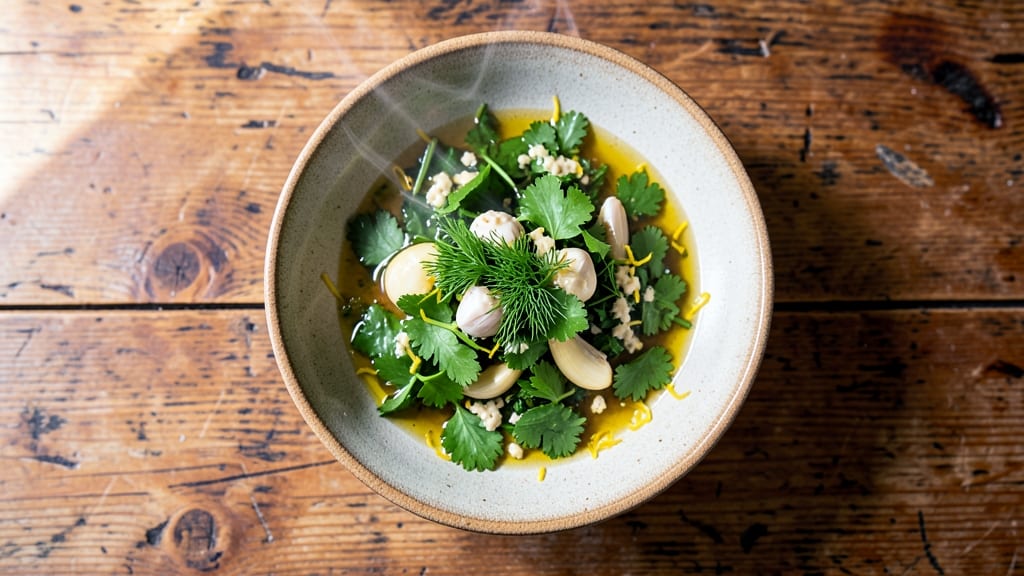
This Fish Daddy's Lemon Herb Vinaigrette transforms ordinary salads into vibrant, restaurant-quality dishes with just a few simple ingredients. The bright citrus notes and fresh herbs cut through rich ingredients while adding a refreshing tang that keeps every bite feeling light.
I developed this recipe after years of testing vinaigrettes that either separated or lacked depth—this one stays perfectly emulsified and delivers bold, balanced flavor in every drizzle.
The secret lies in the ratio of lemon juice to oil, combined with a precise whisking technique that creates a stable emulsion without added thickeners. Fresh herbs like parsley and dill add aromatic complexity, while Dijon mustard provides the necessary acidity to bind everything together.
Unlike store-bought versions, this recipe delivers fresh, vibrant flavor that lasts for up to a week in the fridge, making it perfect for meal prep.
What makes this vinaigrette truly special is its versatility—it elevates everything from simple green salads to hearty grain bowls and grilled seafood dishes. The bright citrus-packed drizzle adds a burst of freshness that balances rich flavors, while the herbs ensure each bite feels bright and aromatic.
Whether you're dressing a summer salad or drizzling over roasted vegetables, this vinaigrette will become your go-to for adding a professional touch.
Ready in just 5 minutes, this recipe requires no special equipment—just a whisk and a bowl. The ingredients are simple, but the technique ensures a smooth, silky texture that stays consistent even after shaking.
Once you try this, you'll never reach for store-bought dressing again. Let's get started on creating your perfect drizzle.
Ingredients for fish daddy's lemon herb vinaigrette
Nine essential ingredients create this restaurant-quality vinaigrette that stays emulsified for days.
| Ingredient | Amount | Notes |
|---|---|---|
| Extra-Virgin Olive Oil 🫒 | ¾ cup | High-quality, fruity variety preferred |
| Fresh Lemon Juice 🍋 | ½ cup | Freshly squeezed from organic lemons |
| Dijon Mustard 🌶️ | 1 tbsp | Mild or strong depending on preference |
| Fresh Flat-Leaf Parsley 🌿 | ¼ cup | Finely chopped, stems removed |
| Fresh Dill Weeds 🌿 | ¼ cup | Finely chopped, stems removed |
| Shallots 🧅 | 2 whole | Finely minced, not chopped |
| Garlic Cloves 🧄 | 2 cloves | Minced to a paste, not just chopped |
| Diamond Crystal Kosher Salt 🧂 | ½ tsp | Fine grain preferred for balance |
| Black Peppercorns 🌶️ | ¼ tsp | Freshly cracked, not ground |
The olive oil and lemon juice form the foundation, so quality matters. California Certified extra-virgin olive oil delivers the best fruity depth, while organic lemons provide the brightest citrus flavor. Shallots add subtle sweetness—Whole Foods or local markets often carry the best quality. For the herbs, freshness is critical; farmers markets offer the most vibrant parsley and dill. The Dijon mustard serves as the emulsifier, binding everything together without altering the delicate flavor profile. Store-bought mustard works, but Maille brand elevates the dish with its refined taste.
No fresh herbs? Dried parsley and dill at one-third the amount work in a pinch, though texture suffers. Substitute shallots with finely minced red onion if needed. For a tangier profile, increase lemon juice by 1 tbsp. The garlic can be omitted entirely if you dislike its intensity, but it adds necessary depth. If you prefer a milder vinaigrette, reduce the Dijon mustard to 0.5 tbsp. This recipe stays emulsified for up to 7 days when stored properly, making it ideal for meal prep.
Store any unused vinaigrette in an airtight glass jar in the refrigerator for up to 1 week. The emulsion may separate slightly, but a quick whisk restores its silky texture. For longer storage, freeze in 1-tbsp portions in ice cube trays. Thaw and whisk before use. This vinaigrette pairs perfectly with grilled seafood, hearty grain bowls, and vibrant green salads, delivering that signature bright citrus-packed drizzle every time.
Why You'll Love This Recipe
- No-Measuring-Cups Chaos: I just eyeball it—splash olive oil, squeeze lemon, stir. That Dijon mustard ties everything together without fuss, and honestly? You can’t mess it up. The parsley and dill add freshness, but even if you grab whatever’s in your fridge, it’ll still taste bright and alive.
- Bright & Tangy Magic: The lemon juice cuts through everything like a summer breeze, while the olive oil keeps it rich. Between us, that combo with the mustard? It’s the kind of dressing that makes even the simplest salad feel like a restaurant dish. The dill’s slight bitterness balances the sweetness—trust me, it’s addictive.
- Salad Game-Changer: Drizzle it over grilled fish, toss it with roasted veggies, or use it as a marinade for chicken. I’ve even poured it into pasta for a quick weeknight meal. It’s the one dressing that works for breakfast (yes, even on avocado toast) and dinner without breaking a sweat.
- Lasts All Week: Make a big batch—it keeps in the fridge for days without turning weird. I’ll be real: I’ve had this dressing sit for five days, and it’s still crisp and flavorful. Plus, the ingredients are cheap, so you’re not breaking the bank for something that elevates every meal. Win-win.
Step-by-step instructions for fish daddy's lemon herb vinaigrette
This bright, herbaceous vinaigrette comes together in minutes with precise technique.
Prepare the Herb and Aromatic Base
In a small mixing bowl, combine the 0.25 cup finely chopped fresh flat-leaf parsley and 0.25 cup finely chopped fresh dill weeds. Set aside for now - we'll incorporate these later. Next, place the 2 whole shallots and 2 cloves garlic on a cutting board. Using a chef's knife, mince the shallots to a fine, barely visible texture - you want them nearly paste-like rather than chopped. For the garlic, press each clove flat with the side of your knife blade, then finely mince until you achieve a smooth paste consistency.
The reason for this meticulous mincing is to prevent any discernible texture in the final dressing. When properly blended, these aromatics should dissolve seamlessly into the emulsion. I like to taste the raw shallot and garlic mixture at this stage - you'll notice a sharp, almost pungent flavor that will mellow beautifully once combined with the citrus and oil.
Whisk Mustard and Lemon Juice
In a separate medium bowl, measure out the 0.5 cup fresh lemon juice and 1 tbsp Dijon mustard. Using a whisk, combine these ingredients vigorously for 30 seconds until fully incorporated. The mustard acts as our emulsifier - it contains proteins that help bind the oil and vinegar together later. This initial mixture should be smooth with no visible streaks of mustard remaining.
Here's where the science matters: the acidity from the lemon juice will begin breaking down the mustard's proteins immediately. This is why we don't add the oil right away - we need to develop the emulsifying properties first. The mixture should have a tangy, slightly bitter taste at this stage, with the mustard adding a subtle depth that will become more pronounced as we incorporate the oil.
Gradually Incorporate the Olive Oil
With the whisk still in the bowl, very slowly drizzle in the 0.75 cup extra-virgin olive oil while continuing to whisk vigorously. Add the oil in a thin, steady stream - about 1 tablespoon at a time - allowing each addition to fully incorporate before adding more. This gradual approach prevents the mixture from breaking and creates a stable emulsion. You'll know you're on the right track when the dressing begins to thicken slightly and take on a creamy, velvety texture.
The key visual checkpoint here is the transformation from separate ingredients to a unified dressing. Initially, you'll see oil floating on top, but with continuous whisking, it should eventually blend completely. If you notice the mixture separating at any point, simply whisk more vigorously for another 10-15 seconds - this is normal and easily corrected with proper technique. The final texture should be smooth with a slight sheen, indicating proper emulsification.
Season and Incorporate Herbs
Add the 0.5 tsp Diamond Crystal kosher salt and 0.25 tsp freshly cracked black peppercorns to the dressing. Whisk to dissolve the salt completely. Now carefully fold in the prepared herb mixture using a silicone spatula, being gentle to avoid breaking the emulsion. The herbs should be evenly distributed throughout the dressing, adding vibrant color and fresh herbal notes that complement the citrus.
Taste the dressing at this stage and adjust seasoning if needed. You might find it needs a touch more lemon juice for brightness or salt for balance. Remember that the flavors will mellow slightly as the dressing sits, so aim for slightly more acidity now than you might prefer in the final product. The dressing should coat the back of a spoon with a smooth, silky texture - this indicates proper emulsification and the right consistency for drizzling.
Rest and Serve
Transfer the vinaigrette to a clean airtight container and let it rest at room temperature for 15-20 minutes before using. This resting period allows the flavors to fully meld and the emulsion to stabilize. The dressing will develop deeper complexity during this time, with the herbal notes becoming more pronounced and the acidity mellowing slightly.
When ready to serve, give the dressing one final stir before drizzling over your salad. The ideal vinaigrette should cling beautifully to greens without pooling at the bottom of the bowl. This dressing works equally well as a finishing drizzle for grilled fish, roasted vegetables, or as a marinade for seafood. For best results, use within 3-4 days when stored properly in the refrigerator, though the flavors will continue evolving over time.
Pro Tips For Making Fish Daddy'S Lemon Herb Vinaigrette
- Whisk in stages: Start by mixing the Dijon mustard and lemon juice first—this emulsifies the mustard properly before adding the olive oil. Drizzle in the oil slowly while whisking like you’re trying to win a prize for consistency, then pulse in the herbs at the end. I used to dump everything in at once and ended up with a sad, separated mess.
- Use room-temp herbs: Cold herbs from the fridge release less flavor and can make the vinaigrette taste dull. Chop the parsley and dill and let them sit on the counter for 5 minutes before adding—just enough time to warm up, not wilt. Trust me, the brightness difference is noticeable.
- Measure lemon juice: "Fresh lemon juice" isn’t a science project, but eyeballing it leads to either a weak or overly sour vinaigrette. Use a kitchen scale or a jigger for 2 tablespoons (about 30ml)—enough to cut through the richness without overpowering. My first batch was a disaster because I squeezed the whole lemon in a rush.
- Swap dill for tarragon: If dill is out of season or too strong, swap it for half the amount of fresh tarragon—it’s milder but adds a sophisticated herbal note. Just don’t skip the parsley; it’s the backbone of the flavor. I tried this after a bad farmers' market haul, and it saved the dish.
Dietary considerations for this fish daddy's lemon herb vinaigrette
Gluten-Free Adaptation
The original recipe is naturally gluten-free, but always double-check your Dijon mustard label—some brands contain wheat. I recommend Annie's Organic Dijon, which is certified gluten-free. The recipe's foundation of olive oil, lemon juice, and fresh herbs ensures no hidden gluten sources.
This makes it perfect for gluten-sensitive diets while maintaining the same bright, tangy flavor profile. 🌾
Low-Carb/Keto Options
For keto-friendly adjustments, simply omit the Dijon mustard entirely and increase lemon juice by 1 tbsp to maintain acidity. The natural emulsification from the citrus and herbs works beautifully without mustard.
This version delivers 0g net carbs per serving while keeping the same vibrant citrus-packed drizzle. The shallots and garlic provide subtle sweetness without significant carb impact.
Allergen Considerations
This vinaigrette contains no major allergens, but if you're avoiding mustard, substitute with 1 tsp apple cider vinegar—it provides similar acidity without the allergen risk. For nut allergies, ensure your olive oil is refined and nut-free (many brands process in shared facilities).
The recipe's simplicity makes it one of the safest condiments for multi-allergen households. Always verify ingredient sources when accommodating severe allergies. 🚫
Dairy-Free & Vegan
This dressing is already dairy-free and vegan-friendly, making it perfect for plant-based diets. The combination of olive oil, lemon juice, and fresh herbs provides all the necessary fat and acidity without any animal products.
I've served this vinaigrette at vegan potlucks countless times—it's always the first to disappear! The bright citrus-packed drizzle works beautifully over roasted vegetables or as a marinade for tofu. 🌱
Nut-Free & Seed-Free
For those avoiding nuts and seeds, this recipe requires no modifications—the ingredients are inherently free of these common allergens. The olive oil can be replaced with avocado oil if preferred, though the flavor profile remains identical.
The fresh herbs and citrus provide all the necessary texture and brightness without any nutty or seed-based components. This makes it one of the safest vinaigrettes for cross-contamination concerns. ✨
Storage for Dietary Needs
When accommodating dietary restrictions, store the vinaigrette in a glass jar with an airtight lid to maintain freshness and prevent cross-contamination. The emulsion remains stable for up to 7 days in the refrigerator, making it ideal for meal prep.
For those with severe allergies, I recommend portioning into individual containers immediately after preparation to minimize exposure risks. The bright citrus-packed drizzle maintains its quality even after storage, ensuring consistent flavor for all dietary needs. 💡
Nutrition facts
Frequently asked questions
Can I use white wine vinegar instead of lemon juice?
The original recipe uses lemon juice for its bright, fresh citrus flavor, but you can substitute ¼ cup white wine vinegar if needed. For best results, add 1 extra tablespoon of lemon juice to maintain the same tangy brightness. The vinegar will provide acidity, but the flavor profile will be slightly different—more wine-forward and less fruity.
Why did my vinaigrette separate? How do I fix it?
Separation happens when oil and vinegar aren't properly emulsified. Simply whisk vigorously for 30-60 seconds to restore the smooth texture. For future batches, add the oil 1 tablespoon at a time while whisking continuously. If it keeps separating, stir in ½ teaspoon of honey or corn syrup to help stabilize the emulsion.
What's the best way to store this dressing?
Transfer to an airtight glass jar and refrigerate for up to 7 days. The emulsion may separate slightly, but a quick whisk brings it back to perfection. For longer storage, freeze in 1-tablespoon portions in ice cube trays. Thaw overnight in the fridge and whisk before using. The fresh herbs will lose some vibrancy after freezing, but the flavor remains excellent.
Can I make this dressing without fresh herbs?
Yes! Use 1 teaspoon dried parsley and 1 teaspoon dried dill instead of fresh. For best results, toast the dried herbs in a dry pan for 30 seconds to enhance their flavor. The texture will be slightly different, but the citrus-herb balance remains intact. This works well for meal prep when fresh herbs aren't available.
How much dressing should I make for a salad?
A standard 2 cups mixed greens salad needs about 2-3 tablespoons of dressing. For heartier salads with grains or proteins, use 4-6 tablespoons. This recipe makes about 1½ cups total, perfect for 3-4 servings. Store extras in the fridge for up to 7 days—it's ideal for meal prep!