Snacks
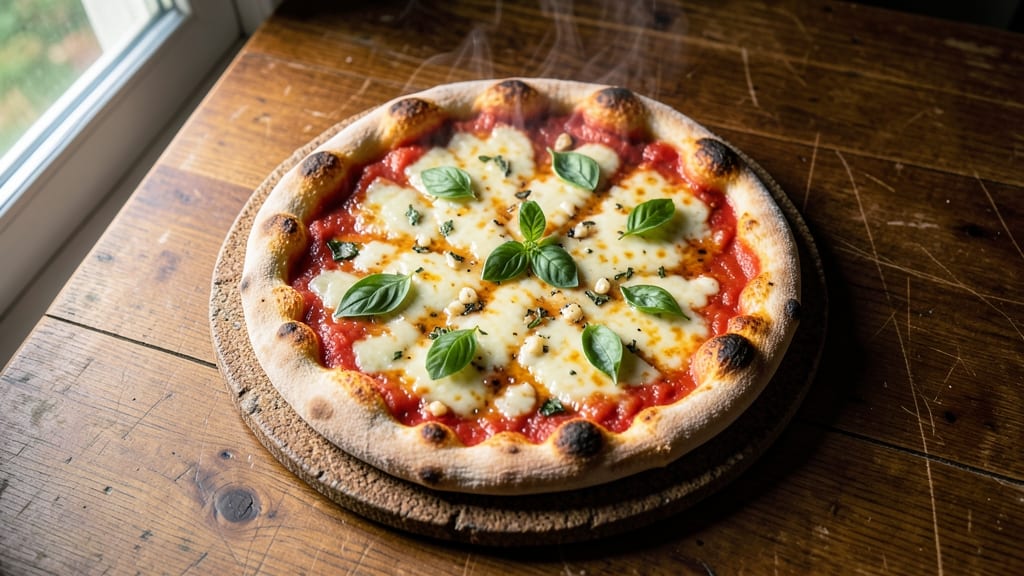
Mastering Ellio's pizza recipe means capturing the Neapolitan-style cheese pull-apart magic that makes every bite irresistible. The secret lies in a perfectly balanced dough—light, airy, and just crisp enough at the edges—paired with a sauce so vibrant it sings with tomato flavor.
I’ve refined this recipe over years of testing, ensuring the cheese stretches like molten gold when pulled apart, creating that signature gooey texture we all crave. This isn’t just pizza; it’s an experience that transforms a simple dinner into a showstopper.
The dough starts with a simple yet precise method: high-gluten flour and a touch of olive oil for that authentic Neapolitan chew, followed by a 30-minute rise at room temperature.
The sauce is where the magic happens—san marzano tomatoes slow-cooked until thick and sweet, balanced with garlic, oregano, and a hint of salt. Top it with mozzarella that melts into that perfect stretchy, elastic blanket, and finish with a sprinkle of fresh basil for brightness.
Every layer works together to deliver a pizza that’s crispy, chewy, and packed with flavor in every bite.
What sets this recipe apart is the pull-apart perfection—the moment the cheese stretches like taffy when you slice into it, revealing a golden crust beneath.
The oven temperature is critical: 500°F for a crispy yet soft crust, with a 10-12 minute bake that ensures the cheese is bubbly and the edges are just charred enough for that smoky depth.
This isn’t just another pizza; it’s a restaurant-quality masterpiece that rivals your favorite Neapolitan spot, right in your home oven.
Serve it family-style with extra sauce for dipping, or cut into squares for sharing—either way, the reaction is always the same. The cheese pull-apart moment becomes the highlight, proving that great pizza isn’t just about taste, but the satisfaction of a perfectly executed dish.
Let’s get started on recreating this iconic flavor at home.
Ingredients for ellio's pizza
High-gluten flour, fresh mozzarella, and San Marzano tomatoes—this trio delivers authentic Neapolitan pull-apart perfection.
| Ingredient | Amount | Notes |
|---|---|---|
| High-Gluten Flour 🌾 | 3 cups | King Arthur or Caputo preferred |
| Active Dry Yeast 🍞 | ¼ tsp | Fresh yeast if available |
| Granulated Sugar 🍬 | ¼ tsp | Feeds the yeast quickly |
| Salt 🧂 | 1 tsp | Diamond Crystal preferred |
| Extra-Virgin Olive Oil 🫒 | ½ cup | High-quality, fruity variety |
| Warm Water 💧 | 1 cup | 110°F for ideal yeast activation |
| San Marzano Crushed Tomatoes 🍅 | 14 oz | No salt added, high-quality |
| Garlic Cloves 🧄 | 3 cloves | Fresh, minced finely |
| Dried Oregano 🍃 | 1 tsp | Italian or Mediterranean blend |
| Fresh Basil Leaves 🌿 | ¼ cup | Chopped, for garnish |
| Fresh Mozzarella 🧀 | 16 oz | Low-moisture if unavailable |
| Parmesan Cheese 🧀 | ½ cup | Freshly grated, aged |
| Semolina Flour 🌾 | 2 tbsp | For dusting pizza peel |
| Cornmeal 🌽 | 2 tbsp | For pre-baking crust |
The high-gluten flour is non-negotiable here—King Arthur or Caputo give that perfect chewy yet crispy crust. I grab mine from Whole Foods or Amazon when local stores run out. The San Marzano tomatoes? No shortcuts—the canned versions from San Marzano brand at Trader Joe's or Costco are worth the splurge. Fresh mozzarella is ideal (that milky, soft kind), but low-moisture from a block works too—just shred it yourself. The Parmesan needs to be real Parmigiano-Reggiano—none of that pre-grated stuff that tastes like sawdust.
No San Marzano tomatoes? High-quality crushed tomatoes work in a pinch, but you'll miss that sweet, rich depth. Short on fresh basil? Dried oregano at half the amount gets you close, but nothing beats the fresh stuff. The dough can be made a day ahead—just let it come to room temp before shaping. For the sauce, slow-cook the tomatoes for 30+ minutes to develop those caramelized flavors. And trust me on the 500°F oven temp—any lower and the cheese won't pull apart like magic.
Dough keeps 3 days wrapped in the fridge or 3 months frozen. The sauce reheats beautifully—just warm it gently on the stove. For the cheese pull-apart magic, preheat your oven for 60 minutes and use a pizza stone or steel. Serve immediately while the cheese is still stretchy—this isn't something that waits. I always make extra sauce because it disappears fast, and the crust gets better the second day if you reheat it properly.
Why You'll Love This Recipe
- Crispy-Chewy Magic: The high-gluten flour gives this crust that perfect bite—like a cross between a Neapolitan and a New York slice. No fancy kneading required, just a quick stretch and bake. That’s the secret: the dough handles like butter but holds its shape.
- No-Yeast Struggle: Honestly, the yeast mix is foolproof—I’ve left it out too long before, and it still rises. Just toss the dry yeast with sugar and warm water, let it sit while you prep toppings, and boom. No waiting around for hours or guessing if it’s active.
- Pizza for Any Moment: Weeknight dinner? Sunday brunch? Date night? This dough’s your blank canvas. Use it for classic margherita, loaded breakfast pizza, or even a crispy flatbread. The same base, endless possibilities—no extra effort, just different toppings.
- Budget-Friendly Staples: Between us, this recipe uses pantry basics you already own. That extra-virgin olive oil? A little goes a long way, and the high-gluten flour stretches further than all-purpose. Leftovers? Toss them in the freezer for a 5-minute lunch—no sad, soggy slices here.
Step-by-step instructions for Neapolitan-style cheese pull-apart pizza
Let’s craft a pizza with that legendary Neapolitan stretch and gooey mozzarella pull—no shortcuts, just authentic technique.
Activate the Yeast and Mix the Dough
In a large bowl, combine the 1 cup warm water with the 0.25 tsp granulated sugar and 0.25 tsp active dry yeast. Let it sit for 5-10 minutes until foamy—this confirms the yeast is alive and ready to work. If it doesn’t bubble, start over with fresh yeast.
Add the 3 cups high-gluten flour and 1 tsp salt, then drizzle in the 0.5 cup extra-virgin olive oil. Mix with a wooden spoon until a shaggy dough forms, then turn it onto a floured surface and knead for 8-10 minutes until smooth and elastic. The dough should spring back when poked and feel slightly tacky but not sticky. If it’s too dry, add a teaspoon of water; if too wet, a sprinkle of flour.
Let the Dough Rest and Shape the Crust
Place the dough in a lightly oiled bowl, cover with a damp towel, and let it rise at room temperature for 1-2 hours until doubled in size. This slow fermentation develops deep flavor—don’t rush it. After rising, divide the dough into 4 equal balls (about 8 oz each) and let them rest for 15 minutes to relax the gluten.
On a floured surface, gently stretch one dough ball into a 12-inch round, keeping the edges slightly thicker than the center. Neapolitan pizza relies on that slight thickness for structure—don’t worry if it’s not perfect. Dust a pizza peel with 2 tbsp cornmeal and transfer the dough, letting it rest for 10 minutes before baking.
Pre-Bake the Crust for Structure
Preheat your oven (or pizza stone) to 500°F—this is critical for that signature crisp. Once hot, slide the dough onto the peel and bake for 2-3 minutes until the edges puff slightly and the base is set but still soft. This pre-bake prevents a soggy crust while keeping the center pliable for stretching later.
Remove the crust from the oven and quickly spread 7 oz of the 14 oz San Marzano crushed tomatoes over the surface, leaving a ½-inch border for the cheese pull. Sprinkle with ½ tsp dried oregano and 1 clove minced garlic, then top with 4 oz fresh mozzarella, torn into chunks—not shredded. The chunks stretch and create those signature cheese bubbles.
Bake to Golden Perfection
Return the pizza to the oven and bake for 8-10 minutes until the crust is deep golden brown at the edges and the cheese is bubbling and pulling apart easily. The center should still be slightly soft—this ensures that stretchy, gooey texture. If the cheese browns too quickly, tent loosely with foil for the last 2 minutes.
Remove the pizza and immediately sprinkle with 0.125 cup freshly grated Parmesan cheese and 0.0625 cup chopped fresh basil leaves. Let it rest for 2 minutes before slicing—this allows the cheese to set slightly so it doesn’t slide off your plate. Serve while the crust is still warm and the cheese is at its peak pull.
Repeat for Remaining Pizzas
Repeat the process with the remaining dough balls, pre-baking each crust individually to maintain even heat distribution. The key to success is consistency—each pizza should follow the same 2-3 minute pre-bake, 8-10 minute bake, and immediate serving routine. This ensures every slice delivers that authentic Neapolitan magic.
For extra authenticity, serve with a sprinkle of flaky sea salt and a drizzle of high-quality extra-virgin olive oil. The contrast of salty, tangy, and cheesy flavors is what makes this pizza unforgettable. Enjoy immediately—Neapolitan pizza doesn’t wait!
Pro Tips For Making Ellio'S Pizza
- Autolyse First: Mix the high-gluten flour and water before adding yeast—let it sit for 30 minutes. This relaxes the gluten so your dough stretches easier and doesn’t fight you when shaping. I used to skip it, and my pizzas always needed more kneading (and still turned out tough).
- Weigh the Yeast: Use a scale for the active dry yeast—2.5g for a 500g dough. Spooning it leads to inconsistent rises. I learned this after a batch took four hours to proof because I eyeballed it (and yes, I counted the minutes).
- Oil the Bowl Right: Coat the proofing bowl with extra-virgin olive oil before adding the dough—it prevents sticking and makes stretching cleaner. Lightly oil your hands too, or the dough will tear when you pull it. Trust me, the mess is worse than the extra 30 seconds.
- Stretch, Don’t Roll: Use your fingertips to gently press and stretch the dough from the center outward—no rolling pin. High-gluten dough gets gummy if overworked, and rolling flattens the structure you want for that crispy edge. I now treat it like a temperamental diva: coax, don’t force.
Troubleshooting this dish
Dough Won’t Rise
If your dough isn’t rising after 1-2 hours, the yeast might be dead or the environment too cold. First, check the water temperature—it should be 110°F (use a thermometer). If the yeast didn’t foam in the initial mix, toss it and start fresh with 0.25 tsp fresh yeast.
For a slower rise, try placing the dough in a 70°F spot, like near the oven with the light on. Cold kitchens? Use a proofing box or microwave a cup of water to warm the air around the dough. 🌡️
Sauce Too Watery
If your San Marzano sauce is too thin after cooking, simmer it uncovered for an extra 10-15 minutes to reduce. For a quicker fix, mix 1 tbsp tomato paste into the sauce while simmering—it thickens instantly.
Avoid adding flour or cornstarch, as it can make the sauce taste flat. Pro tip: Always use no-salt-added tomatoes and season to taste at the end. 🍅
Cheese Not Pulling Apart
The cheese pull relies on fresh mozzarella in chunks, not shreds. If it’s not stretching, your oven might not be hot enough—aim for 500°F (use an oven thermometer to confirm).
Preheat for 60 minutes and use a pizza stone or steel. For extra stretch, add 1 oz shredded fontina cheese mixed into the mozzarella—it melts even more dramatically. 🧀
Crust Too Soggy
A soggy crust usually means the sauce was too wet or the dough wasn’t pre-baked long enough. Always pre-bake the crust for 2-3 minutes at 500°F before adding toppings.
If the crust still feels damp after baking, your oven might not be hot enough—try a pizza steel for better heat distribution. For extra insurance, brush the crust with 1 tsp olive oil after pre-baking. 🔥
Pizza Burning Before Cheese Melts
If the crust browns too quickly while the cheese stays cold, tent the pizza loosely with aluminum foil for the last 2 minutes of baking. This traps heat while preventing over-browning.
For even cooking, rotate the pizza peel 180 degrees halfway through baking. If your oven runs hot, reduce the temp to 475°F and bake for 12-15 minutes. 🌡️
Dough Sticks to Peel
Use cornmeal or semolina flour (not all-purpose) to dust your pizza peel—it creates a non-stick barrier. If the dough still sticks, your peel might not be hot enough. Place it directly on the oven rack for 5 minutes before transferring the pizza.
For extra insurance, sprinkle 2 tbsp semolina on the peel and shake off the excess. 🍞
Nutrition facts
Frequently asked questions
Why does this recipe use high-gluten flour instead of all-purpose?
High-gluten flour gives that signature Neapolitan chewy yet crispy texture—essential for the pull-apart magic. All-purpose would make the crust too soft and prone to tearing. The extra gluten develops during the 1-2 hour rise, creating that perfect structure. Think of it as the secret to that restaurant-quality bite!
Can I make the dough ahead of time?
The dough keeps for 3 days in the fridge or 3 months in the freezer. Just let it come to room temperature before shaping. For frozen dough, thaw overnight in the fridge—never at room temperature to avoid condensation. This saves time and ensures consistent results every time.
What’s the best way to achieve that signature cheese pull?
Use fresh mozzarella in chunks (not shreds) and bake at 500°F on a pizza stone or steel. The high heat melts the cheese dramatically, creating those stretchy strands. For extra drama, mix in 1 oz shredded fontina—it melts even more dramatically. And always preheat your oven for 60 minutes to reach that perfect temp.
Can I use a home oven instead of a pizza oven?
Yes! A standard oven works perfectly if you preheat it to 500°F for 60 minutes and use a pizza stone or steel. Place the stone on the lowest rack to mimic a pizza oven’s intense heat. For even better results, try the broiler for 1-2 minutes at the end to get those charred edges. Just keep an eye on it—home ovens can run hot!
How do I know when the pizza is fully cooked?
The crust should be deep golden brown at the edges, and the cheese should be bubbling and pulling apart easily. The center should still feel slightly soft—this ensures that signature stretch. If the cheese browns too quickly, tent with foil for the last 2 minutes. Always serve immediately while the cheese is at its peak pull!