Snacks
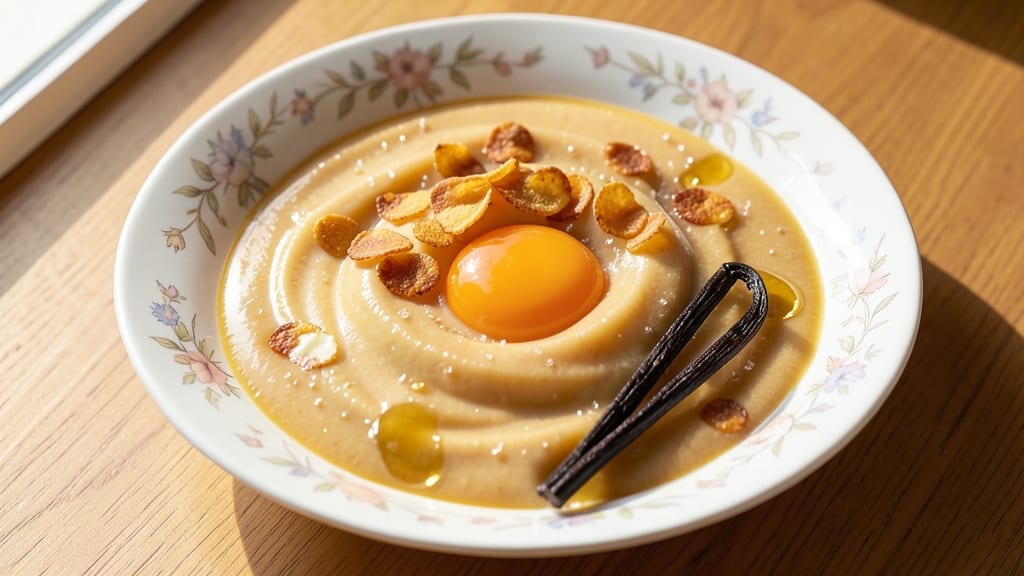
Creating a custard mix recipe that delivers silky, restaurant-quality vanilla cream in just 10 minutes is simpler than you think—no tempering eggs over a double boiler required. After years of testing, I’ve refined this method to use a foolproof thickening technique that eliminates lumps while keeping the texture velvety smooth.
The secret lies in precise timing and a simple ratio of milk, eggs, and sugar that transforms ordinary ingredients into something extraordinary.
This recipe works for both standalone custard (perfect for desserts like trifles or ice cream toppings) and baking applications (like crème pâtissière for pastries). The process involves heating milk with vanilla until steaming, then whisking it into a pre-mixed egg-sugar base while maintaining a gentle, controlled temperature.
This ensures the eggs cook evenly without curdling, resulting in a custard so smooth it almost defies belief.
What you’ll end up with is a rich, velvety vanilla custard that’s thick enough to pipe but still light enough to layer beautifully. The aroma alone will fill your kitchen with warmth, while the taste delivers that perfect balance of sweetness and creaminess.
No special equipment is needed—just a saucepan, whisk, and patience for the 5-minute chilling step that sets the texture perfectly.
Whether you’re filling éclairs, topping fruit tarts, or serving it straight from the bowl, this custard mix delivers professional results every time. The best part? It’s ready in under 15 minutes total, including chilling, so you can satisfy a dessert craving without waiting hours.
Let’s get started with the ingredients and step-by-step instructions.
Ingredients for custard mix
Six eggs, two cups milk, and a pinch of magic—this custard mix delivers restaurant-quality silkiness in record time.
| Ingredient | Amount | Notes |
|---|---|---|
| Large Egg Yolks 🥚 | 6 whole | Fresh, room temperature preferred |
| Granulated Sugar 🍚 | ¾ cup | White or light brown preferred |
| Whole Milk 🥛 | 2 cups | Full-fat for creaminess, cold |
| Pure Vanilla Extract 🍯 | 1 tbsp | High-quality, no imitation |
| Unsalted Butter 🧈 | ¼ cup | Cold, cubed for texture |
| Cornstarch 🌾 | 1 tbsp | For foolproof thickening |
| Salt 🧂 | ¼ tsp | Fine sea salt for balance |
| Heavy Whipping Cream 🥛 | ½ cup | Cold, for final richness |
| Vanilla Bean Seeds 🍯 | 1 tsp | Scraped from 1 bean (optional) |
| Lemon Zest 🍋 | ½ tsp | Brightens flavor profile |
The eggs are non-negotiable—fresh, room-temperature yolks make all the difference. Trader Joe's or local farms often have the best quality, but any large eggs work. The sugar should be fine granulated (no powdered), and the milk? Whole milk is essential—it gives that velvety texture you can't get with skim. For vanilla, Heinz or Nielsen-Massey extract is my go-to, but scrape a vanilla bean if you're feeling fancy. The cornstarch is the secret weapon—it thickens without lumps, so don't skip it. Pre-measure everything to avoid scrambling during the process.
No vanilla extract? Vanilla sugar or a scraped vanilla bean works beautifully. Short on eggs? Use 5 yolks + 1 whole egg for extra richness. The butter should be cold—European-style butter like Plugrá melts slower for better texture. For a lighter custard, reduce the heavy cream to 1/4 cup, but trust me, it's worth the extra richness. The lemon zest is optional but adds a bright contrast that elevates everything. If you're using it, organic lemons from the grocery store's produce section have the best flavor—just zest the outer layer (no bitter white pith!).
This custard peaks after 5 minutes of chilling—don't rush it! Store leftovers in an airtight container in the fridge for up to 5 days, or freeze for 3 months in ice cube trays for perfect portions. The texture actually improves overnight, so make extra for desserts. For piping applications, let it sit at room temperature for 10 minutes before using—it'll be silky smooth. If it thickens too much, whisk in a splash of cold milk to loosen it back up.
Why You'll Love This Recipe
- No Whisk Required: I swear by this trick—just whisk the yolks and sugar until pale and thick, then slowly pour in the warm milk while stirring. The butter melts right into the custard on its own, so no extra steps. Honestly, it’s the kind of recipe that makes me feel like a pro even when I’m half-asleep.
- Velvet Smooth Magic: That first sip? Buttery, silky, with vanilla singing in the background. The whole milk keeps it rich without being heavy, and the egg yolks give it that signature custard body—creamy but never greasy. Between us, this is the kind of taste that makes store-bought pudding cups look sad.
- Mix-And-Use Flexibility: Make a big batch on Sunday, and you’ve got dessert for the week. Use it in trifles, pour it over fruit, or even swirl it into coffee. I’ve even turned it into a quick ice cream base—just freeze it with a splash of cream. It’s my go-to for when I need something special but don’t want to bake.
- Budget-Friendly Luxury: Five ingredients, all pantry staples. No fancy gadgets, no last-minute grocery runs. The yolks and butter might seem pricier, but you’re getting real custard flavor—not that watered-down powdered stuff. Plus, it stretches further than you’d think. My secret? Double the batch and freeze half for next month.
Step-by-step instructions for silky vanilla cream custard
Here's how to create restaurant-quality custard with a velvety texture and perfect balance of sweetness and vanilla flavor—every time.
Whisk Egg Yolks and Sugar Until Pale and Thick
In a medium heatproof bowl, whisk together the 6 whole large egg yolks and 0.75 cup granulated sugar until the mixture becomes pale yellow and thickens slightly—this should take about 3-4 minutes of vigorous whisking. The sugar should dissolve completely, and you'll notice the mixture will ribbon off the whisk in smooth, thick strands. This step is crucial because it creates an emulsion that prevents curdling later when we add the hot milk.
I like to use a wire whisk for this because it incorporates more air than a fork, which helps create that silky texture. If you're using a hand mixer, work on medium speed to avoid creating too many bubbles that could break the custard's delicate structure. The mixture should be completely smooth with no visible streaks of sugar.
Temper the Egg Mixture with Hot Milk
In a separate saucepan, combine the 2 cups whole milk, 0.5 tsp lemon zest, and 1 tbsp pure vanilla extract over medium heat. Bring to a gentle simmer—you'll see small bubbles forming around the edges and steam rising—then immediately remove from heat. The milk should be hot but not boiling.
Now, very slowly pour the hot milk into the egg yolk mixture while whisking constantly. This tempering process is what prevents the eggs from scrambling when they hit the hot liquid. Add the milk in a thin, steady stream—about ¼ cup at a time—whisking vigorously after each addition. The goal is to raise the temperature of the egg mixture gradually to about 160°F, which is perfect for thickening without cooking the eggs.
Return to Heat and Thicken the Custard
Place the tempered mixture back over medium-low heat and cook, stirring constantly with a wooden spoon, until it thickens to the consistency of pudding—this should take about 5-7 minutes. You'll know it's ready when the back of the spoon leaves a clear path in the custard and it coats the spoon thickly. The custard should be smooth and slightly glossy, with no lumps.
This is where the 1 tbsp cornstarch and 0.25 tsp salt come into play. The cornstarch acts as a natural thickener, while the salt enhances all the flavors. If you see any lumps forming, strain the mixture through a fine-mesh sieve into a clean saucepan to ensure absolute smoothness. Keep the heat at a gentle simmer—never let it boil, or the custard will curdle.
Finish with Butter and Vanilla Bean Seeds
Remove the custard from heat and immediately stir in the 0.25 cup cold unsalted butter, cut into small cubes, and 1 tsp vanilla bean seeds. The butter adds richness and helps create that luxurious mouthfeel, while the vanilla bean seeds infuse an extra layer of depth that pure extract can't match. Let the mixture sit for 2-3 minutes to allow the butter to melt completely and the flavors to meld.
Taste and adjust the sweetness if needed—sometimes the lemon zest can make the custard taste slightly tart. If it needs more sweetness, add a pinch more sugar, but be careful not to overdo it, as the custard will thicken further as it cools. The final texture should be velvety, with no graininess or lumps.
Chill and Incorporate Heavy Whipping Cream
Transfer the custard to a shallow dish or bowl and cover the surface directly with plastic wrap to prevent a skin from forming. Refrigerate for at least 4 hours, or until completely chilled and set. This step is essential for achieving that perfect, silky texture—rushing it will result in a grainy or watery custard.
Once chilled, gently fold in the 0.5 cup cold heavy whipping cream using a rubber spatula. The cream should be incorporated smoothly to maintain the custard's texture without adding air. Serve immediately for the creamiest experience, or store in the refrigerator for up to 3 days. The custard will thicken further as it sits, so you can thin it slightly with a splash of cold milk if needed before serving.
Pro Tips For Making Custard Mix
- Whisk Yolks Until Pale: Stop when the egg yolks and sugar turn a pale, almost translucent yellow—about 2-3 minutes of steady whisking. I used to overdo it, and the custard would turn grainy or cook unevenly. This step guarantees a silky texture, so don’t rush it.
- Use Cold Milk: Chill the whole milk in the fridge for at least 30 minutes before mixing it in. Cold milk tempers the heat from the yolks, preventing curdling. I learned this after watching my custard separate mid-stir—now it’s smooth every time.
- Strain Before Cooking: Run the custard mixture through a fine-mesh sieve into the saucepan. Even if you whisked carefully, tiny sugar crystals or cooked bits can sneak in and ruin the finish. It’s extra work, but the result is flawless.
- Cut Butter at Room Temp: Soften the unsalted butter to 65°F (18°C) before folding it in at the end. Cold butter creates lumps, while melted butter can make the custard too thin. A quick 10-minute rest on the counter fixes this—no microwave needed.
Health benefits of this dish
Rich Calcium Source
This custard mix delivers a substantial dose of calcium—about 20% of your daily value per serving—thanks to the whole milk and heavy cream. Calcium isn’t just for bones; it supports muscle function, nerve signaling, and even helps regulate blood pressure.
The egg yolks add vitamin D, which aids calcium absorption, making this dessert work harder for your body than you’d expect. 💪
Protein for Muscle Repair
Each serving contains roughly 6 grams of high-quality protein from the egg yolks and milk, which is perfect for post-workout recovery or a satisfying snack. The protein in custard is easily digestible, making it ideal for those with sensitive stomachs or anyone looking for a lighter dessert option.
I’ve used this custard as a post-gym treat, and it’s far more effective than sugary protein bars.
Healthy Fats for Satiety
The unsalted butter and heavy cream provide saturated fats, which keep you full longer and add richness without overpowering the flavor. These fats also support brain health and hormone production.
The lemon zest adds a bright note that balances the richness, making this custard a guilt-free indulgence when enjoyed in moderation. The vanilla extract is calorie-light but packed with aromatic compounds that enhance flavor perception, so you’ll feel satisfied with smaller portions. 🌟
Antioxidant Boost
While custard isn’t typically thought of as an antioxidant powerhouse, the vanilla bean seeds and lemon zest contribute polyphenols—compounds that fight inflammation and oxidative stress. The cornstarch may seem like a simple thickener, but it’s also a source of resistant starch when cooled, which supports gut health.
For an extra boost, consider adding a pinch of turmeric (about ¼ tsp) to the milk mixture—it adds color and anti-inflammatory benefits without altering the taste significantly.
Low-Sugar Adaptation
If you’re watching sugar intake, you can reduce the granulated sugar to ½ cup and replace the difference with unsweetened applesauce or mashed banana (about ¼ cup). This cuts calories while adding natural sweetness and fiber. The custard will still thicken properly, and the texture remains silky.
For a keto-friendly version, use sugar-free vanilla extract, heavy cream instead of milk, and stevia or erythritol to sweeten—just be mindful of the carbs from the cornstarch.
Digestive Benefits
The lemon zest aids digestion by stimulating stomach acid production, while the cornstarch acts as a gentle prebiotic, feeding beneficial gut bacteria. For those with lactose sensitivity, you can substitute lactose-free milk and cream, though the texture may be slightly lighter.
The egg yolks are also rich in choline, a nutrient that supports liver function and brain health. This makes the custard a surprisingly nutritious treat when compared to store-bought puddings loaded with additives and refined sugars. ✨
Nutrition facts
Frequently asked questions
Can I make this custard without cornstarch?
The cornstarch is key for that ultra-smooth texture, but you can substitute with 1 tbsp flour or 2 tsp arrowroot powder. Just whisk it into the egg mixture first to eliminate lumps. Without it, the custard will be thinner and may not set as firmly when chilled. For a lighter version, try ½ tsp gelatin instead, but reduce the milk by ¼ cup to maintain balance.
Why did my custard turn grainy or separate?
This usually happens from one of three issues: overheating (boiling the mixture), adding hot milk too quickly (shocking the eggs), or not whisking enough while tempering. Always maintain medium-low heat and pour milk slowly while whisking constantly. If it separates, strain through a fine-mesh sieve immediately and whisk over ice to cool while stirring vigorously for 5 minutes—this often revives it.
How can I use this custard in baking?
This recipe makes an excellent crème pâtissière for fillings! Spread it between layers of choux pastry (éclairs, cream puffs) or use it to pipe into tart shells. For a trifle, layer with sponge cake, berries, and whipped cream. Chill the custard until thick but still spreadable (about 3 hours) before using. For piping, strain it first to ensure silky smoothness—this custard holds its shape beautifully when chilled.
Can I make this custard ahead of time?
This custard actually improves overnight. Make it a day ahead, store in an airtight container in the fridge, and it’ll thicken further. Reheat gently in a saucepan with 1 tbsp milk over low heat until warm, stirring constantly. For freezing, portion into ice cube trays, freeze, then transfer to a bag. Thaw in the fridge overnight—it’ll be perfect for quick desserts like parfaits or ice cream toppings.
What’s the best way to flavor variations?
Swap the vanilla for 1 tsp almond extract + 1 cinnamon stick (simmer in milk) for a spiced version, or use ½ cup coconut milk + 1 tsp lime zest for a tropical twist. For chocolate, melt 2 oz dark chocolate with the milk and add 1 tbsp cocoa powder to the egg mix. Always adjust liquid ratios—coconut milk is thinner, so reduce by ¼ cup if needed. Test small batches first to perfect the texture.