Soups & Stews
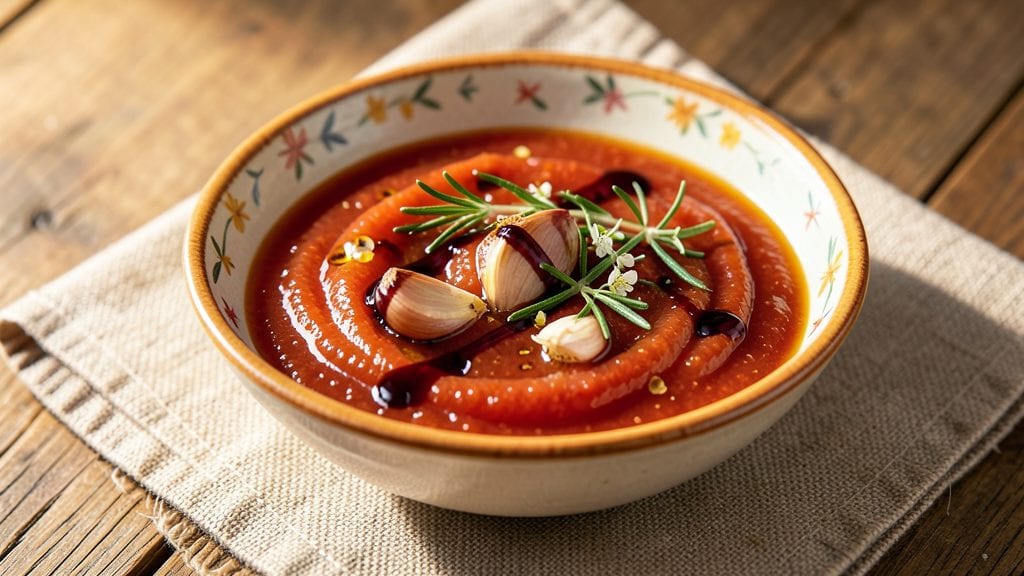
This canned tomato jam recipe transforms simple tomatoes into a rich, sweet-savory preserve that brightens sandwiches, roasted meats, and even grilled cheese. This tomato jam recipe delivers a concentrated burst of flavor in just minutes of simmering—no fancy equipment required.
The result is a thick, spreadable paste with balanced sweetness and tang, perfect for sealing in jars for months.
What sets this method apart is its simplicity: you’ll combine canned tomatoes, sugar, and a pinch of spices, then simmer until the mixture reduces to a jam-like consistency. The sterilization process ensures your preserve stays fresh for up to a year, making it a pantry staple for any home cook.
No special skills needed—just patience and attention to detail.
The final product is rich, glossy, and intensely flavorful, with a texture that’s neither too runny nor too stiff—ideal for spreading, drizzling, or mixing into sauces. Whether you’re prepping for holiday gifts or stocking your kitchen for quick flavor boosts, this recipe delivers professional-quality results with minimal effort.
Once you’ve mastered the technique, you can customize it with herbs, citrus zest, or even a splash of balsamic vinegar. The possibilities are endless, but the foundation remains the same: a foolproof method for turning humble canned tomatoes into a gourmet preserve.
Ready to preserve that summer flavor all year round?
Ingredients for canned tomato jam
Eight simple ingredients transform canned tomatoes into a luxurious preserve perfect for gifting or everyday use.
| Ingredient | Amount | Notes |
|---|---|---|
| Canned San Marzano Tomatoes 🍅 | 2 cans | 28 oz each, crushed by hand |
| Granulated White Sugar 🍚 | 1 ½ cups | Light brown sugar for depth |
| Red Wine Vinegar 🍷 | ¼ cup | Substitute balsamic for richness |
| Fresh Rosemary 🌿 | 2 tbsp | Finely chopped, stems removed |
| Garlic Cloves 🧄 | 3 cloves | Minced for aromatic depth |
| Kosher Salt 🧂 | 1 ½ tsp | Adjust to taste during simmer |
| Ground Black Pepper 🌶️ | ½ tsp | Freshly cracked for warmth |
| Extra-Virgin Olive Oil 🫒 | 1 tbsp | High-quality for glossy finish |
The tomatoes are the foundation, so San Marzano makes all the difference—sweeter and less acidic than standard brands. Grab a 28-ounce can from Whole Foods or Trader Joe's for the best quality. Fresh rosemary adds a piney depth that dried can't match, but dried rosemary at half the amount works in a pinch. The garlic should be freshly minced—pre-minced loses flavor fast. For vinegar, red wine vinegar gives brightness, but balsamic adds caramel notes if you prefer richness. The olive oil isn't just for flavor—it creates that signature glossy finish.
No rosemary? Fresh thyme or basil at the same amount keeps the herbal profile. Running short on vinegar? Lemon juice works, but reduce to 1 tablespoon to avoid over-acidifying. Prefer less sweetness? Cut the sugar to 1 cup and add 1 extra tablespoon of vinegar. The sugar helps preserve the jam, but honey can substitute at a 1:1 ratio—just simmer longer as it's slower to dissolve. For a smoky twist, add 1/2 teaspoon of smoked paprika with the spices. The olive oil is non-negotiable for texture, but avocado oil is a neutral alternative if you're avoiding olive.
This jam thickens as it cools, so sterilize jars by boiling lids for 10 minutes before filling. Store in a cool, dark pantry for up to 12 months—the acidity from the vinegar acts as a natural preservative. Portion into small jars for gifting, or freeze individual portions in ice cube trays for quick use. Reheat gently in a saucepan if it thickens too much—just add a splash of water and stir. The flavor actually improves after 2-3 weeks as the spices meld.
Why You'll Love This Recipe
- Pantry Magic: I swear by this recipe—no fresh tomatoes, no peeling, no mess. Just open a can, dump in the sugar and vinegar, and let the San Marzano’s natural sweetness do the work.
- Herb-Packed Punch: That rosemary and garlic? It’s like a little flavor bomb. The vinegar cuts through the sweetness just enough to make it bright and complex—way more interesting than plain tomato sauce.
- Cheat-Code Spread: Slather it on toast with ricotta, drizzle it over grilled cheese, or toss it into pasta. Honestly, I’ve used it in everything from breakfast to dinner, and it never fails to impress.
- Zero-Waste Winner: A single jar lasts me weeks—spread thin on sandwiches, stirred into soups, or even mixed into marinades. And since it’s mostly sugar and canned tomatoes, it’s about as budget-friendly as it gets.
Step-by-step instructions for canned tomato jam
Transform simple pantry ingredients into a rich, balanced preserve with this straightforward method.
Prepare the Tomatoes and Aromatics
Open the 2 cans of canned San Marzano tomatoes and transfer their contents to a large, heavy-bottomed saucepan. Crush the tomatoes by hand with your fingers or the back of a wooden spoon until they reach a chunky consistency—this preserves texture while releasing juices. Add the 1 tablespoon extra-virgin olive oil and stir to coat the tomatoes evenly.
In a small bowl, finely chop the 2 tablespoons fresh rosemary, removing any woody stems. Minced the 3 cloves garlic cloves and add them to the saucepan along with the rosemary. Stir well to distribute the aromatics throughout the tomatoes. This step builds the flavor foundation, so don't rush—let the garlic and rosemary infuse for 2 minutes over medium heat before proceeding.
Simmer and Sweeten the Mixture
Increase heat to medium-high and bring the tomato mixture to a gentle boil. Once boiling, reduce heat to medium-low and let it simmer uncovered for 15 minutes. This initial simmer helps break down the tomatoes' natural pectin and develop their flavors. Stir occasionally to prevent sticking, especially along the edges of the pan.
After 15 minutes, add the 1.5 cups granulated white sugar and the 0.25 cup red wine vinegar. Stir vigorously to dissolve the sugar completely—you should see the mixture begin to thicken almost immediately. The sugar will help stabilize the jam's texture while the vinegar adds bright acidity to balance the sweetness. Let the mixture simmer uncovered for another 20 minutes, stirring every 5 minutes to prevent scorching.
Season and Thicken to Perfection
After 20 minutes of simmering, taste the mixture and adjust seasoning with the 1.5 teaspoons kosher salt and 0.5 teaspoon ground black pepper. The jam should have a harmonious balance of sweet, savory, and tangy flavors. If it tastes too sharp, add a pinch more sugar; if too sweet, add a splash more vinegar. This is your chance to fine-tune the flavor profile.
Continue simmering the mixture, stirring frequently, until it reaches a thick, jam-like consistency. You'll know it's ready when it coats the back of a spoon smoothly and leaves a distinct track when you run your finger through it. This typically takes an additional 15-20 minutes, but don't rush—proper thickening ensures a stable preserve that won't separate. The total simmering time should be about 45-50 minutes from start to finish.
Test for Doneness and Store Properly
To test for doneness, place a small spoonful of jam on a chilled plate and refrigerate for 2 minutes. If it wrinkles slightly when you push it with your finger, it's ready. If it spreads too much, return it to the pan and simmer for another 5 minutes. The jam should be thick enough to hold its shape but still spreadable—not so firm it's like paste.
Remove the pan from heat and let the jam cool for 10 minutes. This resting period allows the flavors to meld and the texture to set properly. Transfer the jam to clean, sterilized jars while it's still warm, leaving about ½-inch headspace at the top. Seal the jars tightly and let them cool completely at room temperature before storing in the refrigerator. This sweet-savory preserve will keep for up to 3 months, perfect for gifting or using as a versatile condiment.
Pro Tips For Making Canned Tomato Jam
- Simmer Slow and Low: Once the tomatoes break down, drop the heat to a gentle simmer—think barely bubbling, not rolling boil. I learned this after watching my jam turn into a sad, watery sauce; patience here means deeper flavor and thicker texture without burning the sugar.
- Blister the Garlic: Smash those garlic cloves first, then fry them in a dry pan until golden and crisp at the edges—about 3-4 minutes. This adds nutty depth that raw garlic can’t match, and it’s the thing that makes your jam taste like it came from a trattoria, not a recipe box.
- Strain the Rosemary: Toss the sprigs in after simmering, but remove them before blending or jarring—even finely chopped, they can make the jam gritty. I used to leave them in, and while it looks rustic, it’s a texture fight no one wins. A fine-mesh sieve solves it in seconds.
- Reduce Vinegar Last: Add the red wine vinegar only in the final 5 minutes of cooking. Too early, and it’ll cook off completely, leaving your jam tasting flat; too late, and it won’t integrate. This is the non-negotiable balance between tang and sweetness.
Essential equipment for this dish
Heavy-Bottomed Saucepan
Your 3-4 quart heavy-bottomed saucepan is the workhorse of this recipe—it prevents scorching while maintaining even heat distribution. I recommend a stainless steel or enameled cast iron pan like the All-Clad D5 or Le Creuset Dutch oven for professional results.
These materials handle high heat without reacting with acidic ingredients. A non-stick pan works too, but avoid cheap aluminum—they warp and create hot spots. 🔥
Wooden Spoon
A heat-resistant wooden spoon (like Oxo Good Grips) is essential for stirring without scratching your pan. Wood distributes heat better than metal and won’t conduct heat away from the mixture. I keep one dedicated to tomato-based recipes to prevent cross-contamination. Avoid plastic—it melts under prolonged heat.
Fine-Mesh Strainer
For a smoother jam, strain the finished mixture through a fine-mesh stainless steel strainer (like OXO Good Grips) to remove any lingering rosemary stems or garlic bits.
This step isn’t mandatory but elevates the texture, especially if you plan to drizzle it over dishes. A cheesecloth works too, but it requires more effort to rinse.
Canning Supplies
If you’re preserving long-term, sterilize mason jars (like Ball or Kerr) by boiling lids in water for 10 minutes before filling. Use pint or half-pint jars for gifting—smaller portions are easier to manage.
For refrigerated storage, glass jars with airtight lids (like Le Parfait) suffice. Always leave ½-inch headspace to prevent spoilage. ❄️
Digital Thermometer
A candy or jam thermometer (like Thermoworks Thermapen) ensures precision—your jam should reach 220°F for proper thickening. Without one, rely on the plate test (chilling a spoonful to check consistency). I’ve ruined batches by overcooking without a thermometer, so this is a game-changer for consistency.
Knife & Cutting Board
Use a sharp chef’s knife (like Victorinox Fibrox) to finely chop rosemary and mince garlic—dull blades crush instead of slice, releasing bitter compounds. A cutting board with a juice groove (like John Boos Maple) keeps your workspace tidy. Prep all aromatics before heating to streamline the process.
Nutrition facts
Frequently asked questions
Can I use fresh tomatoes instead of canned for this tomato jam?
Fresh tomatoes work, but you'll need to roast or boil them first to break down their water content and concentrate the flavor. Start by halving 4-5 pounds of ripe tomatoes, roasting at 400°F for 20 minutes until softened, then blend or crush before following the recipe. Canned tomatoes are more convenient since they're already pre-cooked and uniform in texture.
How do I adjust the sweetness if I prefer less sugar?
Reduce the sugar to 1 cup and add 1 extra tablespoon of vinegar to maintain balance. For a sugar-free version, replace sugar with 1.5 cups of honey or maple syrup and simmer 5-10 minutes longer since they thicken more slowly. Taste frequently to avoid over-acidifying.
Can I make this tomato jam without vinegar?
Yes, but the flavor will be less balanced. Replace the 0.25 cup vinegar with 1 tablespoon lemon juice or 1 teaspoon citric acid to preserve the jam and brighten flavors. Without acid, the jam may ferment faster—store it in the fridge for only 2 months instead of canning.
Why did my tomato jam turn out too thin?
Undercooking is the most common cause. Simmer until it reaches 220°F (or passes the plate test) for proper thickening. If it's still too runny, return to low heat and stir continuously for 10-15 more minutes, adding 1 tablespoon of cornstarch mixed with water if needed. Avoid rushing—thickening takes time!
How long does homemade tomato jam last?
Unopened, properly canned jars last 12 months in a cool, dark pantry. Once opened, refrigerate and use within 3 months. For refrigerated-only storage, skip canning and use airtight jars—it'll keep 3 months unopened. Freeze in ice cube trays for up to 6 months for single-serving portions.