
Main Courses
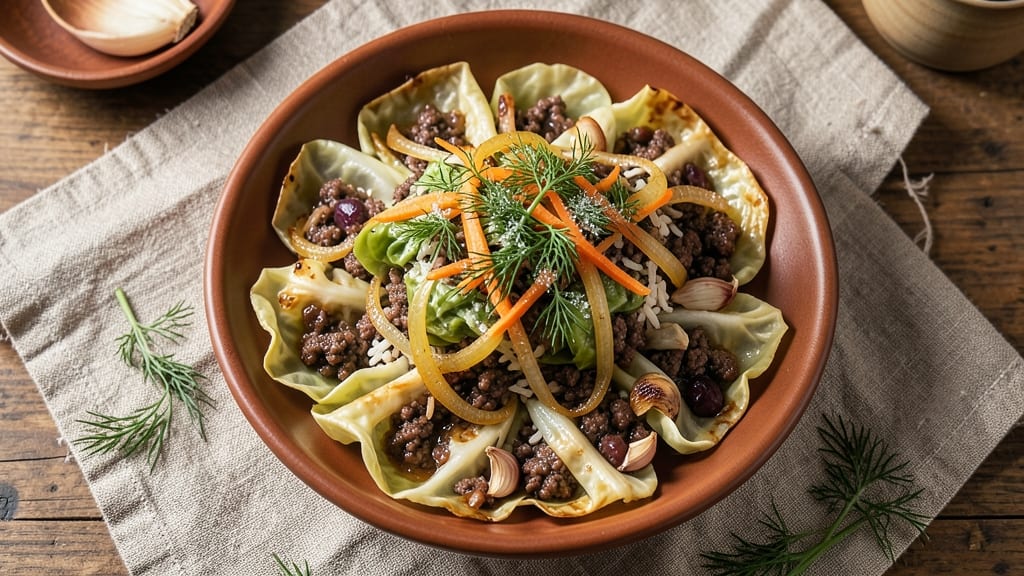
This cabbage roll recipe with sauerkraut transforms a classic comfort dish into something tangy and deeply flavorful. The secret lies in blending traditional cabbage leaves with fermented sauerkraut—adding layers of complexity that elevate every bite.
I've perfected this method over years of testing, balancing tender fillings with the crisp-tender texture of cooked cabbage and the bright acidity of sauerkraut.
The filling combines ground meat, rice, and aromatic spices, all wrapped in cabbage leaves that soften beautifully during slow cooking. While traditional recipes often bake the rolls, I've found that simmering them in broth first creates a more tender, restaurant-quality result.
The sauerkraut can be used as a side or even incorporated into the filling for extra tang.
What you'll end up with is a dish that's rich, hearty, and packed with flavor—each roll bursting with savory filling and the distinctive tang of sauerkraut. The aroma alone will fill your kitchen with warmth, while the first bite delivers that perfect balance of textures and tastes.
This recipe delivers classic comfort with a modern twist.
Serve with a dollop of sour cream or a sprinkle of fresh dill to enhance the flavors further. Whether you're preparing a family dinner or meal prepping for the week, this cabbage roll recipe is designed to impress. Let's get started on creating this comforting, tangy masterpiece.
Ingredients for cabbage roll recipe with sauerkraut
Sixteen ingredients for a tangy twist on cabbage rolls that'll change your game.
| Ingredient | Amount | Notes |
|---|---|---|
| Ground Beef 🥩 | 1 ½ lb | 80% lean, finely ground |
| White Rice 🍚 | 1 cup | Uncooked, long-grain preferred |
| Sauerkraut 🥬 | 2 cups | Unsweetened, finely chopped |
| Yellow Onion 🧅 | 1 whole | Medium size, finely diced |
| Garlic Cloves 🧄 | 4 cloves | Fresh, minced |
| Carrots 🥕 | 2 medium | Peeled, finely grated |
| Tomato Paste 🍅 | ½ cup | Smooth, no sugar added |
| Beef Broth 💧 | 3 cups | Low-sodium preferred |
| Cabbage Leaves 🥬 | 12 large | Fresh, outer leaves removed |
| Sour Cream 🥛 | ½ cup | Full-fat for richness |
| Dried Dill 🌿 | 1 tbsp | Or 1 tbsp fresh chopped |
| Salt 🧂 | 1 ½ tsp | Kosher or sea salt |
| Black Pepper 🌶️ | ½ tsp | Freshly ground preferred |
| Bay Leaves 🍃 | 2 whole | Dried, crushed |
| Olive Oil 🫒 | 1 tbsp | For cooking |
The sauerkraut is non-negotiable here—look for unsweetened in the refrigerated section, not the shelf-stable jarred kind. Trader Joe's has the best quality at a reasonable price, but any brand works if it's crunchy and bright. The cabbage leaves? Outer leaves are tougher, so save those for stock or discard. For the beef, 80% lean gives you the right texture without drying out the filling. I always grab mine pre-ground at the butcher counter—Costco or local markets have the best prices for bulk.
No sauerkraut? Substitute an extra cup of finely chopped white cabbage, but you'll lose that tangy depth. Fresh dill is ideal, but dried works at one-third the amount. The carrots can be baby carrots if that's what's in the fridge—just grate them extra fine. Short on tomato paste? Crushed tomatoes in a pinch, but the paste gives you that concentrated flavor. The beef broth matters—low-sodium or homemade keeps things balanced. If you've got extra time, toast the rice in olive oil first for nuttier flavor.
Prep the cabbage leaves by blanching them for 2 minutes per side to soften—don't skip this, or they'll stay tough. The filling keeps well in the fridge for 3 days before wrapping, and the assembled rolls reheat beautifully. I always make double batches and freeze half—they're even better the next day after flavors meld. Store the sour cream in the back of the fridge where it's coldest to keep it thick.
Why You'll Love This Recipe
- No-Fuss Assembly: I swear, the hardest part is slicing the cabbage in half—everything else just falls into place. Cook the rice, brown the beef with onions and garlic, mix in the sauerkraut (no draining, trust me), and wrap. That’s it. No fancy techniques, no stress.
- Sauerkraut Magic: Between us, the sauerkraut is the MVP here. It adds that tangy punch while keeping things light, and it cuts through the richness of the beef. Honestly? The first time I made this, I thought, "Wait, is this even a cabbage roll?"—then I took a bite and forgot my own name.
- Leftovers for Days: This recipe makes enough to feed a small army, and it reheats like a dream. I’ve had it cold the next day, warmed up in the microwave, or even tossed into a grain bowl. My freezer’s always got a batch because it’s that reliable—no sad, dry leftovers here.
- Budget Meal, Big Payoff: Ground beef, rice, and a head of cabbage? That’s a grocery list I can get behind. The sauerkraut stretches the filling, and the onions/garlic add depth without costing a fortune. I’ll be real: this is the kind of meal that makes me feel like I’m feeding my family gourmet when I’m really just being smart.
Step-by-step instructions for cabbage rolls with sauerkraut
Here's the straightforward method to make hearty cabbage rolls with that tangy sauerkraut twist.
Prepare the Cabbage Leaves
Bring a large pot of water to a boil. Add the 12 large cabbage leaves and blanch for 1-2 minutes until they soften just enough to be pliable but still hold their shape. This makes them easier to handle when rolling. Drain and set aside on a clean kitchen towel.
While the cabbage leaves are blanching, prepare the filling mixture. In a large skillet, heat the 1 tablespoon olive oil over medium heat. Add the 1 whole yellow onion (finely diced) and cook for 5 minutes until soft and translucent. Add the 4 cloves garlic cloves (minced) and cook for another 30 seconds until fragrant.
Cook the Filling Mixture
In a separate bowl, combine the 1.5 lb ground beef, 1 cup white rice, 2 cups sauerkraut (finely chopped), 2 medium carrots (finely grated), 0.5 cup tomato paste, 1.5 teaspoons salt, and 0.5 teaspoon black pepper. Mix everything thoroughly with your hands until well combined.
Add the beef and rice mixture to the skillet with the onions and garlic. Cook over medium heat for 5-7 minutes, stirring occasionally, until the beef is no longer pink. Remove from heat and let it cool slightly for 5 minutes. This cooling step is crucial—it prevents the filling from falling apart when you roll it up.
Assemble the Cabbage Rolls
Place about 2 tablespoons of the filling mixture onto each blanched cabbage leaf, spreading it evenly toward the stem end. Fold the sides of the leaf inward, then roll tightly from the bottom up, tucking in the stem end as you go. Place each completed roll seam-side down in a greased 9x13-inch baking dish.
Once all rolls are assembled, pour the 3 cups beef broth over them, making sure each roll is partially submerged. Add the 2 whole bay leaves and sprinkle the 1 tablespoon dried dill evenly over the top. Cover the dish tightly with foil.
Bake to Perfection
Preheat your oven to 350°F. Bake the cabbage rolls for 1 hour, then remove the foil and continue baking for another 20 minutes to let the tops brown slightly. The rolls are done when the cabbage is tender and the filling is heated through.
Remove from the oven and let them rest for 10 minutes before serving. Stir the 0.5 cup sour cream into the broth mixture in the baking dish and spoon the creamy sauce over each cabbage roll. The tangy sauerkraut filling and creamy sauce make this a comforting, classic dish with a unique twist.
Pro Tips For Making Cabbage Roll Recipe With Sauerkraut
- Sear the Beef First: Walk away from the pan for 30 seconds after browning the ground beef—this lets the meat finish cooking while you prep the rest. I used to rush this and end up with gray, rubbery filling. The extra 30 seconds makes all the difference when you stuff it into cabbage leaves.
- Drain and Rinse the Sauerkraut: Give your sauerkraut a quick rinse and squeeze out excess liquid before mixing it in. The brine adds moisture you don’t need, and you want the filling to hold its shape. Skip this, and your rolls turn soggy faster than you can say "leftovers."
- Use Cold Cabbage Leaves: Chill the cabbage leaves in ice water for 10 minutes before stuffing—this makes them pliable and less likely to tear. I learned this the hard way when I tried to roll them straight from the pot, and half my filling ended up on the counter.
- Simmer Covered for 20 Minutes: After adding the rolls to the pot, cover tightly and simmer on low for 20 minutes before checking. This steams the cabbage just enough to soften it without falling apart. High heat here = mushy rolls; low heat = perfect texture.
Troubleshooting great cabbage roll recipe with sauerkraut
Tough Cabbage Leaves
If your cabbage leaves aren't pliable enough to roll, you're likely not blanching them long enough. I recommend blanching for 2-3 minutes per side in boiling water until they soften but still hold their shape. For extra-tough leaves, try soaking them in cold water for 10 minutes before blanching. 🥬
Filling Too Dry
Dry filling often happens when the meat releases too much fat. Drain excess fat from your ground beef after cooking, and consider adding 1-2 tablespoons of beef broth to the filling mixture.
For extra moisture, stir in ¼ cup of sour cream when assembling the rolls. This keeps them juicy during baking.
Sauerkraut Too Strong
The tangy flavor of sauerkraut can overpower delicate fillings. To balance it, add 1 teaspoon of sugar or ½ teaspoon of honey to the filling mixture while cooking.
If the flavor is still too sharp, reduce the amount of sauerkraut to 1 cup and add 1 cup of finely chopped fresh cabbage instead.
Rolls Falling Apart
Overfilling or using cold filling causes rolls to unravel. Let the filling cool for 5-10 minutes before rolling, and use no more than 2 tablespoons per leaf.
For extra stability, brush the edges of the cabbage leaves with a little beaten egg before rolling. This acts as a natural glue.
Broth Not Absorbed
If your rolls aren't absorbing the broth, they're likely overcooked or the oven temperature is too high. Try covering the dish with foil for the first 45 minutes of baking, then uncovering to let the tops brown.
For extra absorption, sprinkle 1 tablespoon of cornstarch into the broth before pouring it over the rolls.
Sauerkraut Too Watery
Excess moisture from sauerkraut can make your filling soggy. Drain and squeeze out any liquid before chopping it fine. For extra insurance, spread the chopped sauerkraut on a paper towel and press gently to remove moisture. This step makes all the difference in texture. 💧
Nutrition facts
Frequently asked questions
Can I make these cabbage rolls vegetarian?
Replace the ground beef with 1.5 lbs of crumbled tempeh or extra-firm tofu (pressed and drained), or use a 1:1 lentil-walnut mix for texture. For extra flavor, add 1 teaspoon soy sauce or ½ teaspoon smoked paprika to the filling. The sauerkraut's tang still works beautifully with plant-based proteins.
How do I store leftovers?
Store cooked cabbage rolls in an airtight container in the fridge for up to 5 days. Reheat in the oven at 350°F for 15-20 minutes or until warmed through. For freezing, wrap individual rolls tightly in plastic wrap and aluminum foil, then freeze for up to 3 months. Thaw overnight in the fridge before reheating.
Why does my sauerkraut smell so strong?
Fresh sauerkraut has a bold, fermented aroma that mellows during cooking. If it smells overly pungent, it may be over-fermented. Look for crisp, bright green sauerkraut in the refrigerated section—not mushy or discolored. For milder flavor, rinse it briefly before chopping, but this reduces its probiotic benefits.
Can I use frozen cabbage leaves?
Yes, but thaw them first in cold water for 10 minutes before blanching. Frozen leaves work fine, but they may be slightly tougher. For best results, use fresh leaves if possible—they're more pliable and hold their shape better. If you must use frozen, add 1 extra minute to the blanching time.
What’s the best way to serve these?
Pair with a dollop of sour cream, a sprinkle of fresh dill, and a side of mashed potatoes or crusty bread to soak up the broth. For extra richness, drizzle with tahini-lemon sauce or serve with a simple green salad. The sauerkraut’s tang cuts through the richness perfectly.