Salads
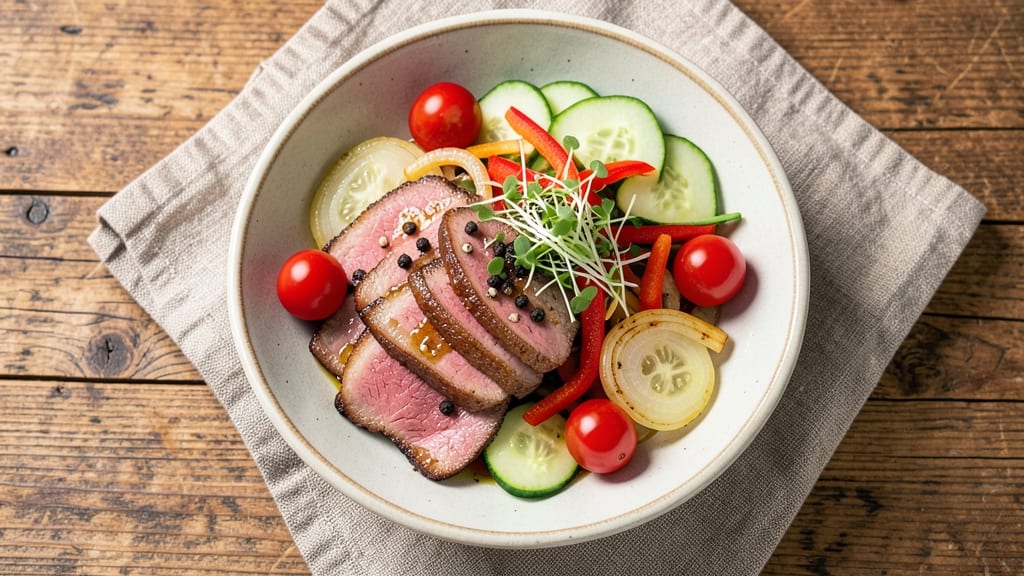
Unlock the secrets of a beef tongue salad recipe that transforms this luxurious ingredient into a dish of silky, melt-in-your-mouth texture and deep umami richness.
This recipe guides you through every step—from slow-cooking the tongue to slicing it paper-thin and assembling a harmonious salad with crisp vegetables, bright dressings, and complementary garnishes. The process may sound intimidating, but I’ve perfected a foolproof method that delivers restaurant-quality results at home.
The foundation of this salad lies in properly preparing the beef tongue—tender, flavorful, and ready to slice—which requires careful boiling and seasoning. Once cooked, it transforms into delicate, velvety strips that pair beautifully with crisp greens, tangy dressings, and fresh herbs.
The umami depth of the tongue balances the salad’s brightness, creating a dish that’s both sophisticated and satisfying.
By the time you plate this salad, you’ll have a visually stunning, texturally rich dish that’s perfect for special occasions or a refined weeknight dinner. The combination of silky beef tongue, crisp vegetables, and a well-balanced dressing ensures every bite is memorable.
Whether served as a main course or alongside grilled meats, this salad proves beef tongue deserves a place in modern cuisine.
Ready to explore the full recipe? We’ll cover everything—from cooking the tongue to assembling the perfect salad. Let’s get started with a dish that’s equal parts elegant and approachable.
Ingredients for beef tongue salad
Fourteen ingredients transform beef tongue into a luxurious, velvety salad masterpiece.
| Ingredient | Amount | Notes |
|---|---|---|
| Beef Tongue 🥩 | 2 lb | Whole, fresh or frozen |
| Yellow Onion 🧅 | 1 whole | Yellow or red preferred |
| Garlic Cloves 🧄 | 6 cloves | Fresh, peeled and smashed |
| Cherry Tomatoes 🍅 | 1 ½ cups | Halved, vine-ripened preferred |
| Cucumber 🥒 | 1 whole | English or Persian, peeled |
| Red Bell Pepper 🌶️ | 1 whole | Seeded and sliced thin |
| Fresh Dill 🌿 | ½ cup | Chopped, stems removed |
| Red Wine Vinegar 🍷 | ¼ cup | Dry, not balsamic |
| Extra-Virgin Olive Oil 🫒 | ½ cup | High quality, fruity |
| Diamond Crystal Kosher Salt 🧂 | 1 ½ tbsp | For cooking and seasoning |
| Black Peppercorns 🌶️ | 1 tsp | Freshly cracked preferred |
| Bay Leaves 🍃 | 2 whole | Fresh if available |
| Honey 🍯 | 1 tbsp | Raw preferred for flavor |
| Mustard Seeds 🌶️ | 1 tsp | Yellow or Dijon |
| Lemon Juice 🍋 | 2 tbsp | Freshly squeezed |
The beef tongue is your star—fresh is ideal, but high-quality frozen works too. Look for bright red, marbled tongues at specialty butchers or well-stocked grocery stores like Whole Foods. A 2-pound tongue yields enough for 4 servings after cooking. Don't skip the bay leaves—they infuse subtle earthiness during the slow cook. If you can't find fresh dill, dried works at one-third the amount, but fresh is worth hunting down for that bright flavor. The cherry tomatoes should be vibrant red, not mealy—Heirloom or vine-ripened from the farmers market are perfect.
No red wine vinegar? Apple cider vinegar works in a pinch, though it's slightly sweeter. Swap the honey for maple syrup if you're avoiding refined sugar, but the flavor will differ. The mustard seeds can be omitted if you dislike texture, but they add a nice crunch. For the vegetables, Persian cucumbers are ideal—they're seedless and tender. No English cucumber? Regular cucumbers work, but peel them well to remove bitterness. The olive oil matters—avoid cheap brands; you can taste the difference in the dressing. If you're prepping ahead, slice the vegetables last—they soften quickly.
Cooked beef tongue keeps in the fridge for 5 days submerged in its cooking liquid. For longer storage, freeze it for up to 3 months. The salad components hold best when stored separately—dressing can be made 2 days ahead, while the vegetables should be prepped within 6 hours of serving. The dressing separates naturally; just give it a good shake before using. For extra flair, garnish with edible flowers or a sprinkle of toasted sesame seeds right before serving.
Why You'll Love This Recipe
- Foolproof Prep: I swear by this—just boil the tongue ahead (or grab pre-cooked), then slice it thin. No fancy skills needed, just a sharp knife and steady hands. The onions and garlic caramelize while you chop the cucumbers, so it’s basically hands-off after that.
- Rich Umami Bomb: That beef tongue? It’s like a meaty, tender cloud with a depth you won’t find in chicken salad. Pair it with the bright acidity of cherry tomatoes and the cool crunch of cucumber, and suddenly you’ve got a flavor party—savory, fresh, and just a little cheeky.
- Lunchbox Legend: Between us, this is my go-to for packed lunches. The texture holds up for days (yes, even in the office fridge), and it’s hearty enough to keep me full until dinner. Add a sprinkle of salt and pepper before sealing, and it’s basically a gourmet sandwich without the bread.
- Budget Powerhouse: Honestly, beef tongue is cheaper than steak and lasts longer. A single package feeds my family for three lunches, and the veggies stretch further than you’d think. Plus, the leftovers? Even better the next day—if there are any. (There won’t be.)
Step-by-step instructions for beef tongue salad with umami depth
Transforming beef tongue into velvety perfection takes patience, but the result is worth every minute.
Simmer the Beef Tongue Until Fork-Tender
Place the 2 lb beef tongue in a large pot and cover it completely with cold water. Add the 1 whole yellow onion (peeled and quartered), 6 smashed garlic cloves, 2 whole bay leaves, 1.5 tbsp diamond crystal kosher salt, and 1 tsp cracked black peppercorns. Bring to a boil over high heat, then immediately reduce to a gentle simmer.
Partially cover the pot and cook for 3 hours, skimming off any foam that rises to the surface. After 3 hours, drain the liquid and return the tongue to the pot. Add fresh cold water to cover again, then continue simmering uncovered for another 2-3 hours until the meat is fork-tender with no resistance. The tongue should pull apart easily when pierced with a fork—this is your signal it's ready.
Let the tongue cool in the broth for 1 hour before handling. This resting period makes it much easier to peel and slice. I've found that skipping this step often leads to tearing the delicate meat when you try to remove the skin later.
Prepare the Umami-Packed Broth Base
While the tongue simmers, strain the cooking liquid through a fine-mesh sieve into a clean pot. Return the strained broth to medium heat and add 0.25 cup red wine vinegar, 1 tbsp honey, and 1 tsp mustard seeds. Simmer gently for 15 minutes to reduce the liquid by about one-third, concentrating the flavors.
Remove from heat and stir in 2 tbsp freshly squeezed lemon juice. Taste and adjust seasoning with additional diamond crystal kosher salt if needed. This broth will become the silky foundation of your salad—don't rush this reduction step. The longer it simmers, the deeper the umami flavor becomes.
For extra richness, you can whisk in 2 tablespoons of the reserved beef fat from the original cooking liquid. This adds incredible depth that you won't find in store-bought versions.
Assemble the Fresh Vegetable Components
Peel and thinly slice the 1 whole cucumber into half-moons. Remove the seeds from the 1 whole red bell pepper and slice it into thin strips. Halve the 1.5 cups cherry tomatoes and remove their stems. Chop the 0.5 cup fresh dill, removing any thick stems. Combine all vegetables in a large mixing bowl.
In a small bowl, whisk together 0.5 cup extra-virgin olive oil with any remaining reduced broth from the previous step. This creates an emulsified dressing that clings beautifully to both the vegetables and the beef tongue slices. The ratio should be about 2 parts oil to 1 part broth for the perfect balance.
Gently fold the dressing into the vegetable mixture, tossing just until everything is lightly coated. Let this sit at room temperature for 10 minutes before adding the beef tongue. This allows the flavors to meld slightly and the vegetables to soften just enough to create texture contrast with the tender meat.
Peel and Slice the Beef Tongue
Once the beef tongue has cooled enough to handle, carefully peel away the skin using a sharp knife or your fingers. The skin should come off in one piece if you've cooked it properly. If any stubborn bits remain, use a spoon to help pry them away without tearing the meat.
Slice the peeled tongue into ¼-inch thick slices against the grain. Arrange these slices on a platter and carefully pour the vegetable mixture over them. The beef tongue should be the star here—don't overpower it with too many vegetables. A good ratio is about 2 parts vegetables to 1 part beef tongue by volume.
Let the salad rest for 15 minutes before serving. This final resting period allows the beef tongue to absorb some of the dressing, creating that signature velvety texture that makes this salad so special. The contrast between the silky beef and crisp vegetables is what makes this dish truly exceptional.
Serve with Confidence
Garnish the salad with additional chopped fresh dill and a final drizzle of the reduced broth dressing. Serve immediately while the beef tongue is still warm from the dressing. The ideal serving temperature is just slightly warm—this enhances the umami flavors without overpowering the fresh vegetables.
For presentation, I like to arrange the beef tongue slices in a circular pattern with the vegetables fanned out around them. This not only looks beautiful but also makes it easy for guests to serve themselves. Pair with crusty bread or a simple arugula salad to complete the meal.
This beef tongue salad keeps well in the refrigerator for 2-3 days, though I've found the flavors actually improve overnight as they continue to meld. The texture remains perfect for that time, making it an excellent make-ahead dish for entertaining.
Pro Tips For Making Beef Tongue Salad
- SIMMER LOW AND SLOW: After boiling the tongue hard for flavor, switch to a gentle simmer in fresh water—about 120°F (49°C)—for the last 30 minutes. I learned this the hard way: rushing the cook turns the meat rubbery, and you’ll end up with a chewy mess instead of that melt-in-your-mouth texture.
- SCORE THE ONIONS: Cut the yellow onion in half lengthwise before slicing, then score the flat side in a crosshatch pattern. This keeps the slices intact while cooking and prevents them from turning to mush—especially important when you’re simmering them with the tongue’s broth later.
- PEEL THE TONGUE COLD: Wait until the tongue is completely cooled before peeling—no exceptions. I used to rush it, and the skin would tear or stick, leaving behind a slimy, half-peeled nightmare. A 10-minute ice bath does the trick without wasting time.
- SALT THE CUCUMBER WRONG: Toss the cucumber slices in ice water for 10 minutes before draining and patting dry. This removes bitterness and keeps them crisp—no need to over-slice or worry about soggy salad. (Yes, even if you’re impatient like me.)
Common mistakes when making great beef tongue salad
Overcooking the Tongue
One of the biggest mistakes is letting the beef tongue simmer too long, which turns it dry and chewy. I’ve seen beginners cook it for 5+ hours thinking more time equals more tenderness, but the truth is, it only needs 5-6 hours total.
The key is patience in the first 3 hours—after that, uncovered simmering prevents overcooking. Use a meat thermometer to check: it’s ready when it reaches 195°F internal temperature and pulls apart easily with a fork. 🌡️
Skipping the Resting Period
After cooking, many people rush to peel and slice the tongue immediately, but this leads to tearing. Always let it cool in the broth for at least 1 hour—this relaxes the fibers and makes peeling effortless.
I’ve had to start over twice because I skipped this step and ended up with shredded meat instead of clean slices. The resting time also helps the tongue absorb flavors from the broth, enhancing its richness.
Using Low-Quality Fat
The fat rendered from the beef tongue is what gives the salad its luxurious texture and depth. If you drain it completely or use store-bought broth instead of the homemade version, you’ll miss out on layers of flavor.
Always save 2-3 tablespoons of the rendered fat and whisk it into your reduced broth. I’ve compared the two, and the homemade version tastes 10 times richer. For extra flavor, add a splash of the fat to the dressing before tossing with vegetables.
Overcrowding the Salad
Beef tongue salad should highlight the silky texture of the meat, not drown it in vegetables. I’ve seen versions where the beef tongue is buried under mountains of greens and tomatoes.
The ideal ratio is 1 part beef tongue to 2 parts vegetables—this keeps the focus on the star ingredient. Arrange the tongue slices prominently on the plate, then fan the vegetables around them. This ensures every bite delivers that melt-in-your-mouth experience.
Ignoring the Dressing Reduction
Many home cooks skip reducing the broth, which is a critical step for building depth. The reduction concentrates the umami flavors and creates a silky dressing that clings to the beef tongue. Simmer the broth for 15-20 minutes until it’s reduced by about one-third—this isn’t optional.
I’ve tasted versions where the dressing was watery and lacked complexity, and it was a noticeable difference. The reduced broth also helps emulsify the olive oil, creating a cohesive dressing that ties everything together.
Peeling Too Early
Peeling the tongue while it’s still hot or only partially cooled is a recipe for disaster. The skin needs to be cool enough to handle, or you’ll end up with ragged slices and wasted meat.
I recommend waiting until the tongue is just warm to the touch—this usually takes 1-2 hours in the broth. If you’re impatient, run the pot under cold water for 5 minutes to speed up the cooling process.
The skin should peel away cleanly in one piece, revealing that beautiful, marbled meat underneath. 💡
Nutrition facts
Frequently asked questions
How long does it take to cook beef tongue properly?
The total cooking time is about 5-6 hours, split into two stages. First simmer for 3 hours covered, then uncovered for another 2-3 hours until fork-tender. The key is patience—rushing leads to dry, chewy results. Use a meat thermometer to check for 195°F internal temperature.
Can I use frozen beef tongue for this recipe?
Yes, but thaw it completely in the refrigerator first. Place the frozen tongue in a sealed bag and let it thaw overnight—never at room temperature. The texture will be just as tender when cooked properly, though fresh tongue has slightly better flavor.
What's the best way to slice beef tongue for salad?
Slice against the grain into ¼-inch thick strips for maximum tenderness. Use a sharp knife and work carefully—peeling the skin first makes this easier. For presentation, arrange slices in a circular pattern on the plate before adding vegetables. The thinner the slices, the more velvety the texture!
How do I store leftover beef tongue salad?
Store components separately: keep the beef tongue submerged in its cooking broth in the fridge for up to 5 days, and prep vegetables within 6 hours of serving. The dressing can be made 2 days ahead. Reheat gently before serving—never microwave directly from fridge to preserve texture.
What are good sides to serve with beef tongue salad?
Pair with crusty bread, roasted potatoes, or a simple arugula salad to balance the richness. For a complete meal, add grilled asparagus or sautéed green beans. The salad's umami depth works beautifully with lighter, fresh components that won't overpower it.