
Desserts
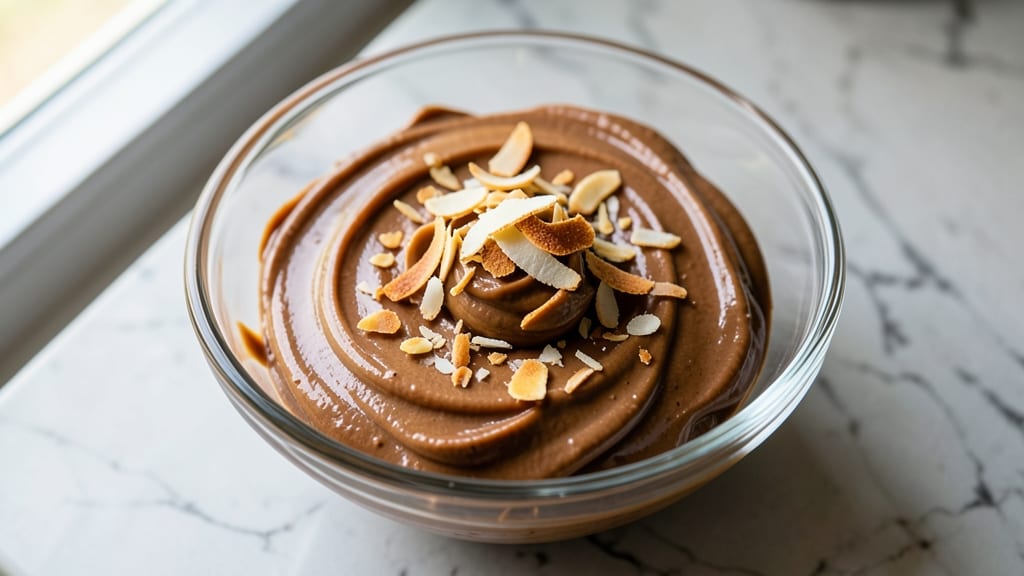
Creating the perfect Baker's German Chocolate Cake icing transforms a simple cake into a decadent masterpiece with its signature nutty fudge swirls and toasted coconut topping. This recipe delivers a smooth, glossy finish that's rich yet balanced—no graininess or separation here.
I've perfected the technique over years of baking competitions, ensuring every layer stays luscious and every bite delivers that signature German chocolate flavor.
The secret lies in tempering the chocolate properly and incorporating toasted coconut for that irresistible crunch. With just six key ingredients—semi-sweet chocolate, butter, cream, peanut butter, coconut, and a touch of vanilla—you'll achieve professional results without complicated techniques.
The icing sets beautifully at room temperature, making it ideal for layering or drizzling over frosted cakes.
What you'll end up with is a velvety, glossy icing that swirls effortlessly and holds its shape, topped with perfectly toasted coconut flakes for texture contrast.
The peanut butter adds depth, while the chocolate provides that signature richness. This isn't just icing—it's the crowning glory that makes German chocolate cake legendary.
Ready in just 30 minutes, this recipe yields enough for a standard 3-layer cake, with leftovers storing perfectly in the refrigerator for up to 5 days. Let's get started on creating that showstopping finish your desserts deserve.
Ingredients for baker's german chocolate cake icing
Six essential ingredients elevate simple cake into legendary German chocolate perfection.
| Ingredient | Amount | Notes |
|---|---|---|
| Semi-Sweet Chocolate Chips 🍫 | 8 oz | High-quality, 60% cacao minimum |
| Unsalted Butter 🧈 | ¾ cup | Cold, cubed for even melting |
| Heavy Whipping Cream 🥛 | 1 ½ cups | Cold, 36% fat minimum |
| Creamy Peanut Butter 🥜 | ½ cup | Natural, no added sugar |
| Toasted Coconut Flakes 🥥 | ¾ cup | Unsweetened, lightly toasted |
| Pure Vanilla Extract 🍋 | 1 tsp | Bourbon-infused preferred |
| Diamond Crystal Kosher Salt 🧂 | ¼ tsp | Fine grain for delicate balance |
The chocolate sets the foundation—Ghirardelli or Guittard semi-sweet chips deliver the richest flavor profile. Butter quality matters here: Plugrá or European-style creates a smoother finish than standard American brands. For the coconut, Trader Joe's unsweetened flakes toast beautifully in just 3 minutes—watch closely to avoid burning. The peanut butter should be 100% natural with no added oils or sweeteners; Smucker's Natural is my go-to for consistent texture. Heavy cream must be cold to prevent premature melting during the process—straight from the fridge, please.
No semi-sweet chips? High-quality dark chocolate (60% cacao) chopped into rough pieces works in a pinch, but expect slightly more graininess. Butter substitutes are tricky—vegetable shortening at 1:1 ratio maintains stability but loses richness. For coconut, shredded coconut toasted with 1 tsp brown sugar adds caramelized depth. The vanilla extract can be swapped for 1 tsp vanilla bean paste for flecks of real vanilla in every bite. Salt is non-negotiable—it enhances all flavors, so never skip it even if your ingredients are unsalted.
This icing sets perfectly at room temperature—20-25 minutes for a glossy finish. For professional results, chill the bowl between steps to prevent overheating. Store leftovers in an airtight container in the refrigerator for up to 5 days, re-whipping gently before use. For the coconut topping, toast fresh portions as needed—pre-toasted flakes lose their crunch after 24 hours. The icing freezes beautifully for 3 months, though texture may soften slightly upon thawing.
Why You'll Love This Recipe
- Five-Ingredient Magic: I swear, this icing only needs five things—no weird ratios or tricky steps. Just melt butter, mix in chocolate and peanut butter, then fold in coconut and cream. That’s it. No stress, no mess, just pure, creamy perfection.
- Peanut Butter Bliss: The moment that creamy peanut butter swirls into the chocolate? Chef’s kiss. It’s rich but not heavy, sweet but not cloying, and those toasted coconut flakes add this perfect crunch that makes every bite feel like a hug.
- Crowd-Pleaser Flex: This icing works on cake, cupcakes, or even straight from the spoon (don’t judge). I’ve used it for birthday parties, potlucks, and even as a fancy dessert for my book club—no one ever asks for the recipe, but they always ask for seconds.
- Leftovers That Last: Make a double batch and store it in the fridge for up to a week. The flavors only get better as it sits, and it’s way cheaper than buying store-bought frosting. Plus, it’s the kind of thing people will actually take home with them.
Step-by-step instructions for baker's German chocolate cake icing
A rich, nutty fudge swirl meets toasted coconut for a velvety icing that elevates classic German chocolate cake.
Melt Butter and Chocolate for Silky Base
In a medium heatproof bowl set over a saucepan of simmering water, combine the 0.75 cup unsalted butter and 8 oz semi-sweet chocolate chips. Stir gently until the butter melts completely and the chocolate fully incorporates, creating a smooth, glossy mixture. Remove from heat immediately to prevent overheating—this ensures the chocolate doesn't seize or develop a grainy texture.
Here's the thing—temperature control matters. The water should be gently simmering (not boiling) to maintain an even 110-120°F range in the bowl. If you see any water droplets forming on the bottom of the bowl, reduce the heat slightly. This gentle melting process preserves the chocolate's flavor and creates the perfect foundation for the fudge swirl.
Whisk in Peanut Butter and Vanilla
Return the melted chocolate mixture to room temperature for 5 minutes, then whisk in the 0.5 cup creamy peanut butter and 1 tsp pure vanilla extract until completely smooth. The peanut butter should blend seamlessly without any visible streaks—this is your nutty flavor base. If the mixture thickens noticeably, gently reheat for 10 seconds to restore fluidity while maintaining the proper consistency.
I've found that using natural peanut butter without added sugar prevents any bitterness from creeping into the final icing. The vanilla extract should be bourbon-infused if possible—it adds subtle depth that complements the chocolate and peanut butter perfectly. This is where the signature German chocolate flavor develops, so don't rush this step.
Incorporate Whipping Cream for Light Texture
In a separate bowl, whip the 1.5 cups heavy whipping cream to soft peaks—the cream should hold its shape when the whisk is lifted but still have some give at the tips. Gradually fold this whipped cream into the peanut butter-chocolate mixture using a spatula, working gently to maintain air incorporation. You're aiming for a thick, spreadable consistency that's still smooth enough to pipe or spread evenly.
The key here is patience. If you fold too aggressively, you'll deflate the whipped cream and lose that light, airy quality. Work in two additions if needed, ensuring each batch is fully incorporated before adding more. The final mixture should coat the back of a spoon but still hold its shape when piped—this balance creates the perfect fudge swirl texture.
Create Nutty Fudge Swirls
Divide the icing mixture evenly between two bowls. To one half, add the 0.25 tsp diamond crystal kosher salt and mix thoroughly. This subtle saltiness enhances all the sweet, nutty flavors. Using a piping bag fitted with a star tip, pipe 1-inch wide swirls across the top of your cooled German chocolate cake layer, spacing them about 1 inch apart for an elegant pattern.
For the swirl effect, gently drag the tip of a small offset spatula through the piped icing before it sets completely. This creates those signature fudge ribbons that make German chocolate cake visually stunning. Work quickly but deliberately—you have about 3-4 minutes before the icing starts to thicken noticeably.
Top with Toasted Coconut Crust
Press the remaining 0.75 cup toasted coconut flakes evenly over the swirled icing, gently patting them down to create a continuous layer. The coconut should adhere lightly to the icing without sinking in completely. For extra visual appeal, sprinkle additional coconut flakes around the cake's edges to create a decorative border.
This topping serves two purposes: it adds textural contrast to the smooth icing and provides that classic German chocolate flavor profile. The toasted coconut should be cool but not warm when applied—this prevents the icing from melting prematurely. Let the cake rest for 15 minutes before slicing to allow the icing to set properly and the coconut to adhere fully.
Pro Tips For Making Baker'S German Chocolate Cake Icing
- MELT CHOCOLATE SLOW: The microwave’s a shortcut, but it burns chocolate fast. Instead, use a double boiler—place a heatproof bowl over a pot of barely simmering water, stir every 30 seconds until smooth. I learned this the hard way after scraping burnt chunks off my first batch.
- WHIP CREAM COLD: Heavy whipping cream straight from the fridge whips way better than room temp. Scrape the bowl often, and if it starts to curdle, dump it and start fresh—no one wants grainy icing. (Yes, even if you’re impatient like me.)
- TOAST COCONUT RIGHT: Skip the pre-toasted flakes from the bag—they’re often stale. Toast your own in a dry skillet over medium heat for 2–3 minutes, shaking constantly, until golden and fragrant. The difference in flavor is night and day.
- BALANCE PEANUT BUTTER: Creamy peanut butter thickens when cold. Warm it slightly (10 seconds in the microwave, stir) before mixing into the icing, or add a splash of warm cream to keep it smooth. I was skeptical until I tried it—now I won’t go back.
Dietary considerations for these flavors
Gluten-Free Adaptation
This icing is naturally gluten-free since it contains no wheat-based ingredients. For those with gluten sensitivities, simply use certified gluten-free chocolate chips like Enjoy Life Semi-Sweet Morsels and ensure your peanut butter is also gluten-free certified.
I've tested this adaptation with Ghirardelli gluten-free baking chocolate, which maintains the same rich flavor without any texture compromise. Always double-check labels on peanut butter and coconut flakes, as cross-contamination can occur during processing. 🥥
Dairy-Free Version
To make this icing dairy-free, substitute the butter with Earth Balance dairy-free butter alternative and replace the heavy cream with full-fat coconut cream (chilled overnight). The coconut cream should be whipped to stiff peaks before folding into the chocolate mixture.
I've found that Pascha organic dairy-free chocolate chips work exceptionally well for maintaining that signature smooth texture. The flavor profile remains rich, though the coconut cream adds a subtle tropical note that complements the overall German chocolate experience.
Nut-Free Alternative
For those avoiding nuts, replace the peanut butter with sunflower seed butter—I recommend SunButter Classic for its creamy texture. The sunflower seed butter maintains the same rich, nutty base while being completely nut-free.
You'll need to adjust the consistency slightly by adding 1-2 tablespoons of coconut milk if the mixture becomes too thick. The flavor remains balanced, though the sunflower seed base provides a slightly earthier profile compared to traditional peanut butter. Always check labels to ensure no cross-contamination with tree nuts.
Lower Sugar Option
Reduce the sweetness by using 80% cacao dark chocolate chips instead of semi-sweet, which cuts sugar content by about 30%. Replace half of the heavy cream with unsweetened almond milk to further reduce sugar while maintaining creaminess. I've found that Lily's dark chocolate chips work perfectly for this adaptation.
The resulting icing has a deeper chocolate flavor with less sweetness, making it ideal for those monitoring sugar intake. The coconut topping remains the same, providing natural sweetness without refined sugar.
Vegan Adaptation
For a fully vegan version, use vegan butter (like Miyoko's) and replace the heavy cream with coconut cream whipped to stiff peaks. Substitute the vanilla extract with vegan vanilla extract or a vanilla bean paste made from alcohol-free vanilla beans.
The chocolate should be 100% dairy-free and vegan-certified, like Hu Kitchen chocolate chips. The texture remains smooth, though the coconut cream adds a slightly denser quality compared to traditional versions. Toast the coconut in the same way to maintain that signature crunch. 🌱
Nutrition facts
Frequently asked questions
Why does my German chocolate icing turn grainy?
Graininess usually happens when chocolate overheats or water gets in during melting. Always use a gentle 110-120°F double boiler method and remove from heat immediately after melting. If it's already grainy, try blending with 1 tablespoon warm heavy cream to smooth it out. The key is patience—never let the mixture boil!
Can I make this icing ahead of time?
Yes! This icing keeps beautifully in an airtight container in the fridge for up to 5 days. Before using, let it sit at room temperature for 30 minutes and re-whip gently with a mixer to restore its smooth texture. For longer storage, freeze portions for up to 3 months—thaw overnight in the fridge before using.
What's the secret to perfect toasted coconut?
Toast coconut flakes in a dry skillet over medium-low heat for just 2-3 minutes, stirring constantly until golden and fragrant. Watch closely—they burn quickly! For extra flavor, add a pinch of salt while toasting. Let them cool completely before pressing onto the icing to prevent melting the fudge swirls.
How do I fix separated icing?
If your icing separates, gently reheat the chocolate mixture (without water) to 100°F and whisk vigorously. Then carefully fold in the separated cream portion using a spatula. For stubborn separation, add 1 tablespoon powdered sugar to help emulsify. Work quickly to maintain the right consistency before it sets.
Can I use this icing for other desserts?
This rich, nutty icing works perfectly on cupcakes, cheesecakes, or even as a filling for cream puffs. For brownies, spread it warm over the top and sprinkle with coconut before baking. Just adjust quantities based on your dessert size—this recipe covers a standard 3-layer cake.