
Side Dishes
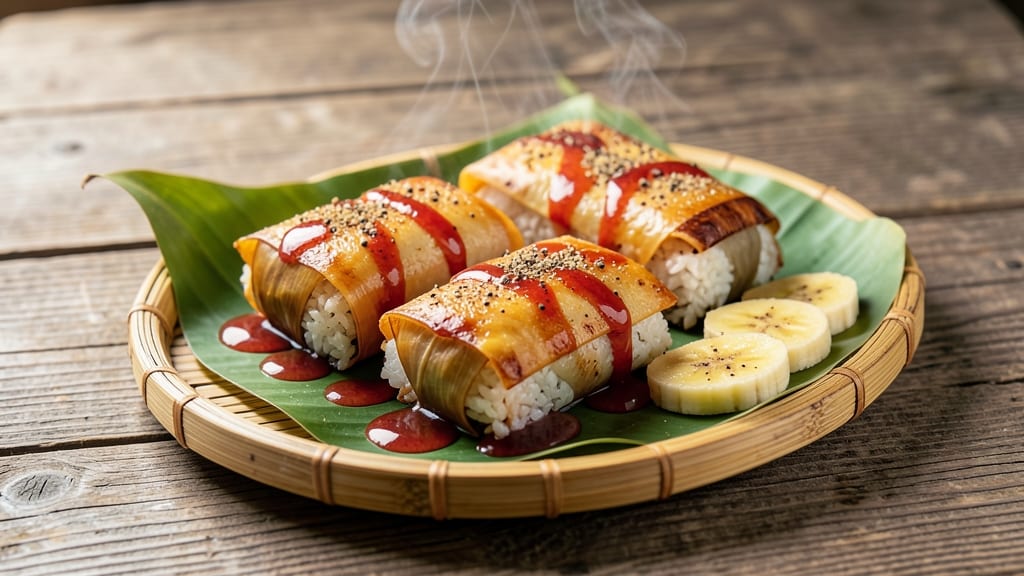
This baked suman recipe brings the fragrant, golden sweetness of Filipino celebrations to your kitchen with just 15 minutes of prep and 30 minutes of baking.
The secret lies in perfectly steamed glutinous rice wrapped in banana leaves, infused with warm coconut and cardamom—each bite transports you to festive gatherings where these delicate cakes steal the show.
What sets this recipe apart is the balance of textures: the sticky rice stays moist and tender inside while developing a caramelized crust outside. Traditional versions often require steaming, but baking unlocks a deeper, toasty flavor that makes these suman irresistible year-round.
The coconut milk and cardamom create that signature aromatic profile, while optional pandan leaf adds an extra layer of floral sweetness.
By the time you pull these from the oven, your kitchen will smell like a Filipino holiday table, and every bite will reveal the perfect harmony of creamy coconut, fragrant cardamom, and chewy rice.
The banana leaves impart an earthy aroma that pairs beautifully with the sweet filling—this is dessert that feels like a hug in cake form.
Perfect for special occasions or spontaneous treats, these suman can be made ahead and reheated gently. Serve warm with a sprinkle of toasted coconut or a drizzle of caramelized sugar for the full experience. Let's create these golden treasures that taste like celebration.
Ingredients for baked suman
Sweet sticky rice, fragrant coconut, and warm cardamom—just 12 ingredients for suman magic.
| Ingredient | Amount | Notes |
|---|---|---|
| Glutinous Rice (Suman Rice) 🍚 | 2 cups | Uncooked, long-grain preferred |
| Coconut Milk (Full-Fat) 🥥 | 1 ½ cups | Canned, unsweetened preferred |
| Granulated Sugar 🍬 | 1 cup | White sugar, fine grain |
| Ground Cardamom 🌿 | 1 tbsp | True cardamom, not imitation |
| Unsalted Butter 🧈 | ¼ cup | Cold, cubed for baking |
| Banana Leaves (Fresh or Frozen) 🍃 | 4 whole | Large, flexible leaves preferred |
| Pandan Leaf (Optional) 🌿 | 1 whole | Fresh or dried, tied in bundle |
| Toasted Coconut Flakes 🥥 | ½ cup | For garnish, unsweetened |
| Salt 🧂 | ¼ tsp | Fine sea salt |
| Vanilla Extract 🌸 | 1 tsp | Pure vanilla, not imitation |
| Water 💧 | ½ cup | Hot for soaking rice |
| Caramelized Sugar (Optional) 🍯 | ¼ cup | For drizzling, homemade preferred |
The glutinous rice is non-negotiable—Filipino markets or specialty Asian grocery stores carry the right kind, often labeled 'sweet rice' or 'suman rice'. If you're using dried banana leaves, soak them in warm water for 10 minutes to soften before wrapping. Fresh leaves? Score them lightly with a knife to prevent tearing when wrapping. For cardamom, Penzeys or local spice shops sell true ground cardamom—avoid the imitation blends that taste like cinnamon. The coconut milk should be full-fat; Thai Kitchen or Goya brands work well, but check for no added preservatives. Toast your coconut flakes in a dry pan until golden for maximum flavor—about 3-4 minutes on medium heat.
No banana leaves? Aluminum foil works in a pinch, though it won’t impart that signature earthy aroma. Running short on cardamom? One-half teaspoon cinnamon plus one-fourth teaspoon nutmeg mimics the warmth, though true cardamom is worth seeking out. For the sugar, brown sugar adds depth but may darken the crust—stick with white if you want that classic golden hue. The pandan leaf is optional but adds that floral note; if using dried, steep it in the coconut milk for 15 minutes before straining. No vanilla extract? A pinch of ground vanilla bean or even a dash of orange zest works in a bind. The butter should be cold when cubed—this prevents the rice from becoming too moist during baking.
These keep beautifully for 5 days in an airtight container at room temperature, though they’re best enjoyed warm. Reheat in a 200°F oven for 10 minutes to restore that tender interior. For make-ahead prep, assemble the wrapped suman up to 24 hours ahead and refrigerate before baking—just add 5-10 minutes to the baking time. Freeze unbaked suman for up to 3 months by wrapping each package tightly in plastic wrap before placing in a freezer bag. The caramelized sugar drizzle? Make a batch ahead and store in the fridge—it’s perfect for topping these golden cakes or drizzling over fresh fruit.
Why You'll Love This Recipe
- No-Fuss Baking: The only prep is soaking the rice overnight—then it’s just mix, pour, bake. Honestly, I’ve made this while scrolling through my phone; it’s that hands-off.
- Coconut-Cardamom Magic: That warm, buttery coconut milk and a whisper of cardamom? It’s like dessert for breakfast, but still feels like a treat. The sugar caramelizes just enough to make every bite irresistible.
- Weeknight or Holiday: Same recipe works for lazy Sundays or potlucks—just adjust the batch size. My kids ask for it after school, but it’s also the star at Christmas gatherings. (Yes, even on a Tuesday night.)
- Budget-Friendly Luxury: Uses pantry staples you already own, and the leftovers? Still delicious reheated or cold. I’ve fed a crowd for under $10—proof that fancy can be cheap.
Step-by-step instructions for baked suman recipe
Here's how to create these fragrant coconut-cardamom rice cakes with perfect texture and aroma.
Prepare the Banana Leaf and Soak the Glutinous Rice
First, prepare the banana leaves by soaking the 4 whole banana leaves in hot water for 5 minutes to soften them. This makes them pliable for wrapping. While they soak, rinse the 2 cups of glutinous rice (suman rice) under cold water until the water runs clear. This removes excess starch that would make your suman gummy.
Transfer the rinsed rice to a large mixing bowl and add the 0.5 cup hot water and 1 tsp vanilla extract. Let it soak for at least 4 hours or overnight in the refrigerator. The rice should absorb the liquid and become translucent—this is your signal it's ready. I like to soak mine overnight as it develops more flavor this way, but 4 hours works in a pinch.
Cook the Rice Mixture with Coconut and Cardamom
In a heavy-bottomed pot, combine the soaked rice with 1.5 cups full-fat coconut milk, 1 cup granulated sugar, 1 tbsp ground cardamom, and 0.25 tsp salt. Bring to a gentle boil over medium heat, then reduce to low heat and simmer uncovered for 20-25 minutes, stirring occasionally. You're looking for a thick, porridge-like consistency that coats the back of a spoon.
Here's where the magic happens: the cardamom infuses deeply during this cooking time, and the coconut milk creates that signature creamy texture. If the mixture gets too thick before the 20 minutes are up, add 1-2 tablespoons of water to prevent burning. The rice should be fully cooked but still slightly sticky—this is crucial for the perfect suman texture.
Shape and Wrap the Suman in Banana Leaves
Line a baking sheet with parchment paper. Working quickly, take the cooked rice mixture and divide it into 8 equal portions (about ¼ cup each). Using your hands, shape each portion into a 1-inch thick disc, about 3 inches in diameter. I like to wet my hands slightly with water to prevent sticking.
Take one of the softened banana leaves and place a rice disc in the center. Fold the sides inward, then roll the leaf tightly around the rice, sealing the edges completely. You want an airtight wrap—this preserves the moisture during baking. If using the optional pandan leaf, tie it around the outside of each wrapped suman for that distinctive aroma. Place each wrapped suman seam-side down on the prepared baking sheet.
Bake Until Golden and Fragrant
Preheat your oven to 350°F. In a small saucepan, melt the 0.25 cup unsalted butter with the optional 0.25 cup caramelized sugar over low heat until smooth. Brush this mixture generously over each wrapped suman. Bake for 30-35 minutes until the banana leaves turn deep golden brown and the suman smells intensely of coconut and cardamom.
The key here is patience—don't open the oven door during baking or the suman will lose steam and become dry. You'll know they're perfectly baked when they're firm to the touch and the aroma fills your kitchen. If the banana leaves aren't brown enough after 35 minutes, broil for 1-2 minutes on low heat, watching carefully to avoid burning.
Garnish and Serve Warm
Let the suman cool for 5 minutes after baking. Unwrap the banana leaves carefully—you'll find beautifully golden suman with crispy edges. Sprinkle each with 0.5 cup toasted coconut flakes while still warm for that final textural contrast. Serve immediately with a dusting of extra cardamom if desired.
Each suman should have a tender, slightly chewy interior with a crisp exterior from the banana leaf wrapping. The coconut-cardamom flavor should be aromatic and balanced—not overpowering, but deeply present. These make wonderful gifts when wrapped in decorative leaves, or serve them family-style with a side of sweetened coconut milk for dipping.
Pro Tips For Making Baked Suman
- SOAK RICE OVERNIGHT: I learned this the hard way—dry soaking for 4 hours just doesn’t cut it. Glutinous rice needs 8+ hours in cold water to soften properly, or your baked suman will turn out gummy instead of melt-in-your-mouth tender. Use room-temperature water and swap it once mid-soak if you’re impatient.
- STEAM FIRST, BAKE SECOND: Skip the direct baking step and steam the soaked rice in a lined basket for 15 minutes first. This builds a chewy base before the coconut milk and butter get added, so your suman stays cohesive and doesn’t dry out into crumbly bits. (Yes, even if you’re in a hurry.)
- SWEAT THE COCONUT MILK: Reduce the coconut milk by half before mixing it into the rice—simmer it uncovered on low heat until it thickens slightly. This prevents a watery, soupy texture in your baked suman and makes the cardamom flavor sing instead of getting lost. (Your future self will notice the difference.)
- BUTTER THE LAYER MATTERS: Don’t just dump the butter on top—spread it in a thin, even layer between the rice and the final sugar-butter topping. This guarantees a golden crust while keeping the inside moist, rather than ending up with a dry, buttery shell. (I used to eyeball it, then realized precision pays off.)
Regional styles of this dish
Visayan-Style Suman
In the Visayas region, suman is often made with pandan leaf for its floral aroma, creating a distinctively fragrant version. I like to add ½ cup grated young coconut mixed into the rice batter before wrapping—this gives a fresh, tropical twist.
The texture becomes slightly lighter, almost like a cross between rice cake and coconut macaroon. For an authentic touch, use dried banana leaves that have been stored properly—they develop a deeper aroma when baked. 🌿
Tagalog Suman sa Liha
Central Luzon's suman sa liha features a unique pork fat (liha) layer wrapped inside the banana leaf before adding the rice mixture.
I recommend using 4 oz finely chopped pork fat mixed with 1 tbsp soy sauce and 1 tsp black pepper—this adds a savory depth that balances the sweetness. The result is a rich, meaty flavor that makes these suman perfect for festive occasions like Christmas.
The pork fat renders during baking, creating a luscious interior. 🐷
Bicolano Suman sa Gata
Bicol's version, suman sa gata, replaces coconut milk with 2 cups thick coconut cream (the rich, creamy part from canned coconut milk) for an ultra-luxurious texture. I also add 1 tsp ube (purple yam) extract for a subtle violet hue and flavor—this is a signature touch in Bicolano desserts.
The result is a velvety, almost custard-like suman with a delicate floral note. For extra richness, brush the wrapped suman with melted butter before baking. 🥥
Ilocano Suman ng Baboy
Northern Luzon's suman ng baboy incorporates ground pork into the rice mixture, creating a savory-sweet hybrid. I use ½ lb ground pork cooked with 1 tbsp calamansi juice and 1 tsp whole black peppercorns before mixing into the rice batter.
The calamansi adds a bright citrus note that cuts through the richness. These are traditionally served during fiestas and make a hearty dessert that feels more like a main course. 🐖
Mindanao Suman sa Latik
Mindanao's suman sa latik uses latik (coconut curds) instead of coconut milk for a tangy, slightly fermented flavor. I recommend using 1.5 cups latik mixed with ½ cup sugar and 1 tsp salt—this creates a unique sour-sweet balance.
The texture becomes denser but develops a beautiful caramelized crust. For an authentic touch, serve with dinuguan (pork blood stew) during festive gatherings. 🌴
Modern Fusion Variations
For a contemporary twist, try matcha suman by replacing cardamom with 1 tbsp matcha powder and using green tea-infused coconut milk. Or make chocolate suman by adding ½ cup melted dark chocolate to the rice mixture.
Both versions keep the traditional wrapping technique but offer bold new flavors. These fusion versions work beautifully as gift desserts or for special occasions. 🍫
Nutrition facts
Frequently asked questions
Can I make this recipe without banana leaves?
Yes! If you can't find fresh or dried banana leaves, use aluminum foil instead. For best results, lightly grease the foil with butter before wrapping. The flavor won't be identical, but the texture will still be delicious.
How do I know when the suman is fully cooked?
Your suman is done when the banana leaves turn deep golden brown and the interior is firm but still tender. The aroma should be intensely coconut and cardamom. Tap each suman gently—it should feel solid, not soft. If unsure, cut one open to check for doneness.
Can I prepare these ahead of time for a party?
Assemble the wrapped suman up to 24 hours ahead and refrigerate. Bake as directed, adding 5-10 minutes to the baking time. They also freeze beautifully—wrap each baked suman tightly and store for up to 3 months. Reheat in a 200°F oven for 10 minutes before serving.
What's the secret to getting the perfect texture?
The key is in the rice preparation: soak it overnight for maximum flavor and cook it until just thickened (about 20-25 minutes). The mixture should be sticky but not gummy. Also, ensure your banana leaves are wrapped tightly to trap steam during baking, creating that signature tender interior with crispy edges.
Why did my suman turn out dry?
Dry suman usually happens from overcooking or improper wrapping. Check your oven temperature—350°F is crucial. Also, ensure your banana leaves are sealed tightly (no air gaps) and don't open the oven door during baking. If the mixture was too dry before baking, add 1-2 tablespoons of coconut milk before wrapping.