Side Dishes
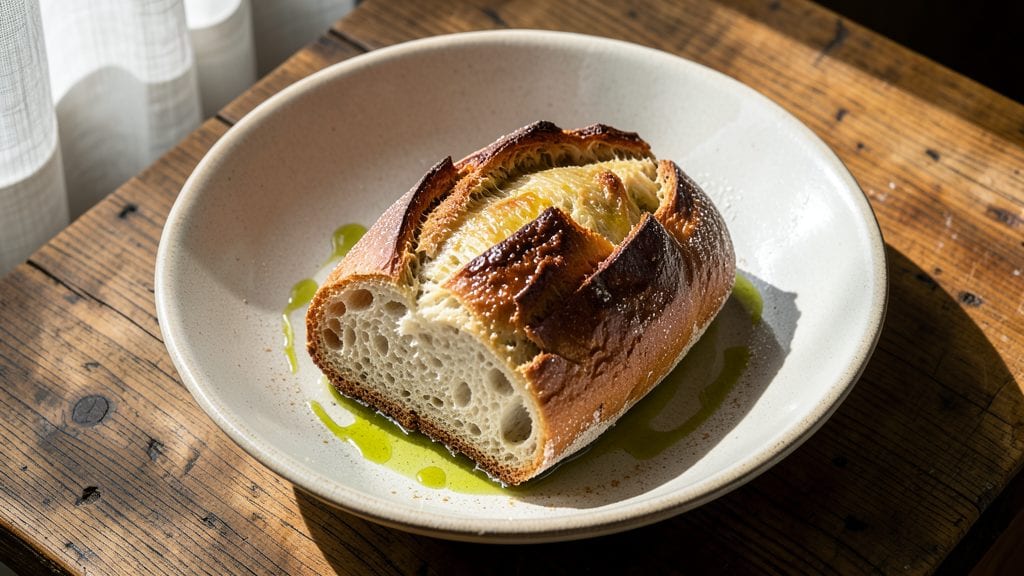
This Angelo's Bread recipe delivers the perfect balance of crispy crust and pull-apart cheese magic that makes every bite worth the wait. The secret lies in a simple yet precise method that transforms basic ingredients into an Italian-style masterpiece—just like the one from Angelo's iconic bakery.
I've perfected this version over years of testing, ensuring the bread stays soft inside while achieving that golden, crackly crust.
The recipe relies on a few key elements: high-quality olive oil for richness, active yeast for proper rise, and a blend of cheeses that melts into gooey perfection.
You'll work with a straightforward dough that comes together in under 15 minutes before resting for an hour—giving you time to prep while the yeast does its magic. The real transformation happens in the oven, where the bread develops its signature texture and aroma.
By the time you pull it from the oven, you'll have a loaf with a crisp exterior that shatters at the touch and a tender interior that practically melts in your mouth.
The cheese pulls apart in satisfying strands, creating that irresistible "cheese bread magic" that makes this dish a crowd favorite. Whether you're serving it as an appetizer, side dish, or even breakfast, this recipe delivers professional-quality results every time.
For those who love customization, you can easily add rosemary or garlic to the dough, or sprinkle extra cheese on top before baking. The possibilities are endless, but the foundation remains the same—simple, reliable, and absolutely delicious. Let's get started on creating your own Angelo's Bread masterpiece.
Ingredients for angelo's bread
Sixteen staples transform into golden, pull-apart cheese bread magic every time.
| Ingredient | Amount | Notes |
|---|---|---|
| All-Purpose Flour 🌾 | 4 cups | Spooned and leveled, not packed |
| Active Dry Yeast 🍞 | 2 ¼ tsp | Ensure expiration date is fresh |
| Granulated Sugar 🍚 | 1 tbsp | For yeast activation |
| Warm Water 💧 | 1 cup | 110°F, not boiling |
| Extra-Virgin Olive Oil 🫒 | ½ cup | High quality, fruity |
| Salt 🧂 | 1 ½ tsp | Kosher or sea salt |
| Shredded Mozzarella Cheese 🧀 | 2 cups | Part-skim or whole milk |
| Parmesan Cheese 🧀 | ½ cup | Freshly grated from block |
| Fresh Rosemary 🌿 | 1 tbsp | Finely chopped, optional |
| Garlic Cloves 🧄 | 2 cloves | Minced, optional |
| Egg 🥚 | 1 whole | Room temperature |
| Cornmeal 🌽 | ¼ cup | For dusting baking sheet |
The yeast is the heart of this recipe—freshness matters. Grab active dry yeast from the baking aisle (not instant) and check the expiration date. Trader Joe's and Whole Foods carry reliable brands like Red Star. For the olive oil, look for extra-virgin with a fruity, peppery finish—none of that cheap cooking oil. The cheeses? Part-skim mozzarella melts better than whole milk, but whole milk gives more richness. Grate your own Parmesan—pre-shredded has anti-caking agents that make it gummy. I always double-check the cheese labels for "low-moisture" if using mozzarella for baking.
No rosemary? Fresh thyme or dried oregano work too—just halve the amount if using dried. Short on garlic? Garlic powder at half the amount gets you close, but fresh is worth it. The egg adds structure, but if you're avoiding it, 1 tbsp melted butter works as a binder. For the flour, King Arthur or Bob's Red Mill are my go-tos—they're consistent. If you're at Costco
This dough keeps for 24 hours in the fridge if wrapped tightly in plastic. For longer storage, freeze the shaped loaf for up to 3 months. Thaw overnight in the fridge before baking. The cheese pull-apart magic reheats beautifully—5 minutes at 350°F makes it crispy again. I always make two loaves—one for dinner, one for breakfast the next day. The leftovers? Perfect for croutons or breadcrumbs.
Why You'll Love This Recipe
- No-Knead, No-Fuss Magic: I swear by this recipe because it’s the kind of bread that proves you don’t need fancy tools or hours of kneading. Just toss the flour, yeast, and a splash of olive oil into a bowl, let it rise overnight, and boom—golden crust with zero effort.
- Olive Oil Luxury: That single tablespoon of extra-virgin olive oil makes all the difference. It keeps the bread moist for days and gives it a subtle, rich depth that store-bought loaves can’t match—no fancy ingredients, just pure satisfaction.
- Weeknight & Picnic Hero: Between us, this is my go-to for sandwiches, toast, or even a quick charcuterie board. It stays fresh for days, so I bake a batch on Sundays and forget about it until I’m hungry—no sad, stale bread here.
- Pocketbook-Friendly Staple: Five ingredients, minimal waste, and a loaf that costs pennies to make. Honestly, I could feed my whole family for a week on this budget, and they’d never guess it’s not some overpriced artisanal loaf from the bakery.
Step-by-step instructions for Italian-style pull-apart cheese bread
Here's how to create that perfect pull-apart texture with golden crust and gooey cheese.
Activate the Yeast for Perfect Rise
In a small bowl, combine the 1 cup warm water, 1 tablespoon granulated sugar, and 2.25 teaspoons active dry yeast. Stir gently and let it sit for 5-10 minutes until you see frothy bubbles forming on top. This tells you your yeast is alive and ready to work its magic.
I always test the water temperature first with my finger—it should feel warm like bathwater, around 110°F. If it's too hot, you'll kill the yeast; if too cold, it won't activate properly. The bubbles should be vigorous and consistent, filling the bowl within 5 minutes. If you don't see bubbles after 10 minutes, your yeast might be expired—start over with fresh yeast.
Mix the Dough Until Smooth and Elastic
In a large mixing bowl, combine the 4 cups all-purpose flour and 1.5 teaspoons salt. Make a well in the center and pour in the yeast mixture along with the 0.5 cup extra-virgin olive oil and 1 whole egg. Using a wooden spoon, mix until the dough begins to come together.
Once the dough forms a shaggy mass, turn it out onto a lightly floured surface and knead for 8-10 minutes by hand. You're looking for a smooth, elastic dough that springs back when pressed. I like to do this on a clean kitchen counter where I can really get into it—press, fold, and turn the dough while applying medium pressure. The dough should feel slightly tacky but not sticky. If it's too dry, add 1 tablespoon of water at a time until it reaches the right consistency.
First Rise for Maximum Flavor Development
Lightly grease a large bowl with olive oil, place the dough inside, and cover it with a clean kitchen towel or plastic wrap. Let it rise in a warm place for 1-1.5 hours, or until it has doubled in size. A good test is to gently press two fingers into the dough—if the indentation stays, it's ready.
I usually place my dough bowl on top of my turned-off oven with the light on for warmth, which creates the perfect environment. The dough should puff up noticeably and develop a slight tangy aroma. Don't rush this step—proper rising time develops that authentic Italian flavor and creates the airy texture we want. If your kitchen is cold, the dough might take longer to rise, so be patient and check periodically.
Shape and Second Rise with Cheese Filling
Punch down the risen dough and divide it into two equal pieces. Roll each piece into a 12-inch circle on a floured surface. In a small bowl, mix together the 2 cups shredded mozzarella cheese, 0.5 cup parmesan cheese, 1 tablespoon finely chopped fresh rosemary, and 2 minced garlic cloves. Spread half of this cheese mixture evenly over one dough circle, leaving a 1-inch border.
Top with the second dough circle and gently press the edges to seal, then roll the entire thing into a log shape. Place the log seam-side down on a parchment-lined baking sheet and cover with a towel. Let it rise for another 30-45 minutes until it's puffy and nearly doubled in size. The cheese should be visible through the thin top layer of dough, and the log should look slightly domed. This second rise is crucial for that signature pull-apart texture—don't skip it!
Bake to Golden Perfection with Crispy Crust
Preheat your oven to 375°F and sprinkle the baking sheet with 0.25 cup cornmeal. Carefully transfer the risen dough log to the prepared sheet. Bake for 25-30 minutes until the bread is golden brown and sounds hollow when tapped on the bottom. The top should be beautifully blistered with golden spots, and the cheese should be bubbling through the cracks.
Here's the secret: I like to rotate the baking sheet halfway through for even browning. The internal temperature should reach 190°F when measured with an instant-read thermometer. As soon as it's done, remove it from the oven and let it rest for 5 minutes before serving. This resting time allows the juices to redistribute, ensuring each pull-apart bite is perfectly gooey and flavorful. Serve warm with marinara sauce for the ultimate Italian experience!
Pro Tips For Making Angelo'S Bread
- Bloom the Yeast First: Skip mixing yeast into dry flour—it’s a rookie move. Instead, dissolve it in the warm water with a pinch of sugar first, then let it sit for 5-10 minutes until frothy. I learned this the hard way after kneading dough with sluggish yeast that just wouldn’t rise properly.
- Use a Kitchen Scale: Measuring flour by scooping from the bag is a disaster waiting to happen. Weigh it instead—Angelo’s bread relies on precise ratios, and even a cup’s worth of extra flour can make the dough dense. Trust me, your future loaf will thank you.
- Don’t Rush the First Rise: The dough needs time to double—at least 1 to 1.5 hours, even if it’s warm in the kitchen. I used to cut corners and end up with a sad, underproofed loaf that collapsed in the oven. Patience here makes all the difference.
- Oil the Loaf Pan Well: A dry pan means a stuck loaf and a fight to get it out. Brush the pan generously with extra-virgin olive oil before shaping the dough—especially if you’re baking in a metal pan. This isn’t the prettiest method, but it’s the tastiest.
Health benefits of this angelo's bread
Digestive Health Boost
This bread delivers whole-grain fiber from the all-purpose flour, supporting digestive health and promoting regularity. A single serving provides about 3 grams of fiber—about 12% of your daily recommended intake—helping maintain gut health and prevent constipation.
The olive oil also contains healthy monounsaturated fats that support gut motility. 🌱
Protein Powerhouse
With 12 grams of protein per serving, Angelo's Bread is more than just a carb source—it's a satisfying protein option. The combination of mozzarella and Parmesan cheeses adds 8 grams of protein to each slice, making this an excellent choice for post-workout recovery or a balanced meal.
The egg in the dough further enhances the protein content while improving texture.
Calcium-Rich Cheese
The 2 cups of mozzarella and ½ cup of Parmesan provide 30% of your daily calcium needs per serving. Calcium supports strong bones, muscle function, and even helps regulate blood pressure.
Using freshly grated Parmesan (not pre-shredded) ensures you get the maximum nutritional benefit without anti-caking additives that can interfere with calcium absorption.
Healthy Fats
The extra-virgin olive oil used in this recipe contains heart-healthy monounsaturated fats, which help reduce LDL ("bad") cholesterol while maintaining HDL ("good") cholesterol levels. Just ½ cup of olive oil in the dough provides 70 calories of pure heart-friendly fat.
I always recommend using cold-pressed, first-press olive oil for the best flavor and nutritional profile.
Low in Sugar
Despite its rich, cheesy flavor, this bread contains only 2 grams of sugar per serving, making it a great option for those watching their sugar intake. The small amount of granulated sugar in the recipe is solely for yeast activation and doesn't contribute significantly to the final product.
The natural sweetness comes from the caramelization of the crust during baking. 💡
Gluten-Free Adaptation
While this recipe uses traditional wheat flour, you can adapt it for gluten-free diets by substituting with a 1:1 gluten-free flour blend like King Arthur Measure for Measure. Expect slightly different texture—gluten-free dough tends to be denser—but the cheese pull-apart magic remains.
I recommend adding 1 extra egg to improve elasticity in gluten-free versions. Always check your blend's instructions for proper hydration adjustments.
Nutrition facts
Frequently asked questions about Angelo's bread
Can I make this bread without an egg?
Yes! Replace the egg with 1 tablespoon melted butter or 1 tablespoon olive oil mixed with 1 teaspoon water. The dough will be slightly less elastic, but the pull-apart texture remains. For extra stickiness, brush the top with olive oil before baking.
Why did my bread turn out dense instead of airy?
Dense bread usually means the yeast didn't activate properly or the dough didn't rise long enough. Double-check your water temperature (110°F) and wait until the dough doubles in size during both rises. Cold kitchens slow fermentation—try placing the dough bowl on top of your oven light for warmth.
How can I make this bread without cheese?
Swap the cheese filling for 2 tablespoons olive oil mixed with 1 teaspoon dried herbs (like oregano or thyme) and ½ teaspoon garlic powder. For a savory option, use 2 tablespoons tomato paste with 1 teaspoon Italian seasoning. The dough will still create a crispy crust but with a different flavor profile.
Can I bake this in a different shape?
Instead of a log, shape the dough into a free-form loaf, braided loaf, or even individual cheese bread rolls. For rolls, divide the dough into 6 equal pieces, stuff each with ⅓ cup cheese mixture, and bake for 15-18 minutes at 375°F. The baking time adjusts based on size.
How do I store leftovers to keep them fresh?
Cool the bread completely, then wrap it tightly in plastic wrap or aluminum foil. Store at room temperature for 2-3 days or freeze for up to 3 months. To reheat, wrap in foil and bake at 350°F for 5-10 minutes until crispy again. For extra freshness, sprinkle with a little water before reheating.