Side Dishes
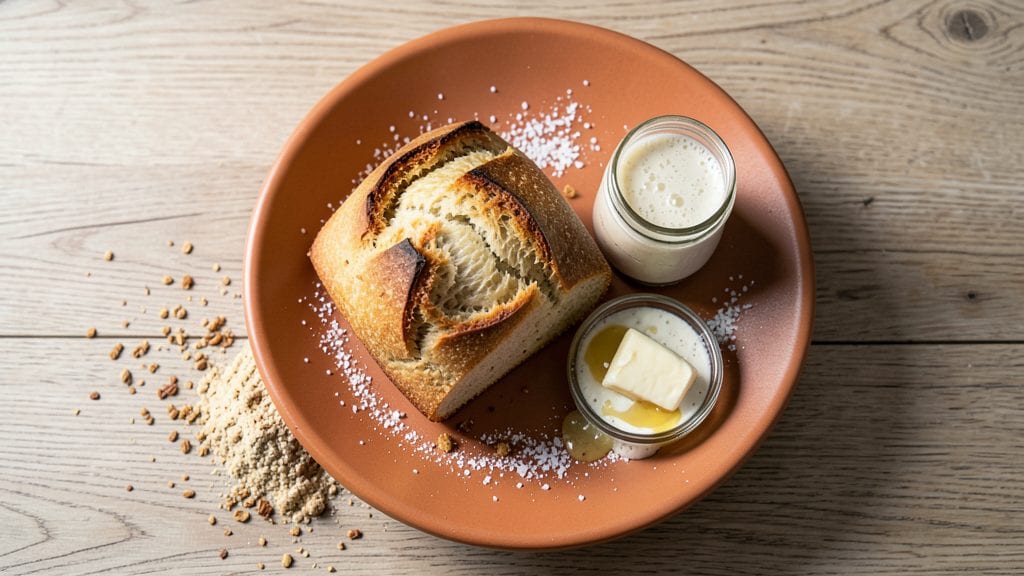
Baking Amish friendship bread with this simple sourdough starter recipe turns a loaf into a tradition of hospitality, baked with love and shared as a gift. This hands-off sourdough recipe delivers a fluffy, tangy loaf with a crisp crust, perfect for gifting or family gatherings.
The beauty lies in its simplicity: no kneading, no fuss, just a foolproof method rooted in Amish baking wisdom.
The secret begins with a simple sourdough starter, cultivated over days to develop the signature tang. Once active, the dough rises effortlessly overnight, allowing the gluten to relax naturally for that signature tender crumb. Traditional Amish techniques—like shaping the loaf into a round, braided form—ensure both beauty and texture.
By morning, you’ll have golden-brown loaves with a crisp exterior and a soft, airy interior, infused with the warm, slightly sweet aroma of sourdough. This bread isn’t just edible—it’s a centerpiece for any table, a testament to patience and care. Ready to bake a loaf that carries tradition?
Perfect for holidays, potlucks, or as a heartfelt gift, this recipe honors the Amish practice of sharing bread as a symbol of friendship. Let’s get started on a loaf that tells a story with every bite.
Ingredients for amish friendship bread sourdough starter
Fourteen simple ingredients transform into Amish friendship bread with fluffy, tangy perfection.
| Ingredient | Amount | Notes |
|---|---|---|
| Unbleached All-Purpose Flour 🌾 | 2 cups | High-protein for structure |
| Organic Whole Wheat Flour 🌾 | 1 cup | Adds subtle nuttiness |
| Granulated White Sugar 🍚 | ¼ cup | Balances sourdough tang |
| Active Sourdough Starter 🍞 | ½ cup | 100% hydration, bubbly |
| Warm Water 💧 | 1 ¼ cups | 105°F for optimal activation |
| Unsalted Butter 🧈 | ½ cup | Cold, cubed for richness |
| Large Eggs 🥚 | 1 whole | Room temperature for blending |
| Diamond Crystal Kosher Salt 🧂 | 1 tsp | Fine grain for even distribution |
| Pure Vanilla Extract 🍯 | 1 tsp | Bourbon-infused preferred |
| Ground Cinnamon 🌿 | ½ tsp | Freshly ground for aroma |
| Cornmeal 🌽 | ¼ cup | For dusting baking sheets |
| Coarse Sea Salt 🧂 | 1 tbsp | For final crust sprinkle |
The sourdough starter is the heart of this recipe. Cultivate yours using a 1:1:1 ratio of flour, water, and starter over five days, feeding daily at the same time each morning. King Arthur or Bob's Red Mill flours yield the best results due to their high gluten content. For a shortcut, purchase an active starter from a trusted source like Breads Bakery or Local Sourdough Supply. The starter should float in water when dropped—this indicates peak activity for baking. Store your working starter in a glass jar covered with a damp cloth to maintain moisture and temperature consistency.
No sourdough starter? Commercial yeast at half the amount can substitute in a pinch, though the flavor will differ. For flours, white whole wheat flour can replace all-purpose at a 1:1 ratio. The butter must be cold to prevent gluten relaxation during mixing. European-style butter like Plugrá has higher fat content, ideal for a richer loaf. Vanilla extract should be pure, not imitation—the difference in flavor is noticeable. For a dairy-free option, substitute butter with coconut oil, though texture may vary slightly. Always measure flour by weight for consistency, using a digital kitchen scale for precision.
Freshly baked Amish friendship bread develops optimal flavor after 24 hours of cooling. Store wrapped in a clean kitchen towel at room temperature for up to 3 days, or freeze portions for up to 3 months. For reheating, wrap slices in foil and warm in a 350°F oven for 5-7 minutes. The bread freezes beautifully—portion into individual slices before freezing to maintain freshness. When gifting, package in parchment-lined boxes with a ribbon for presentation. This bread improves with age, so bake extra for future enjoyment.
Why You'll Love This Recipe
- No-Fuss Mixing: I just stir—no kneading, no fuss. The sourdough starter does all the heavy lifting while I measure flour and sugar in a bowl. Five minutes, tops, and honestly? That’s my kind of baking.
- Sweet-Tangy Magic: That whole wheat flour gives it a nutty depth, but the sugar? It’s the star—caramelizing just enough to balance the sourdough’s tang. First bite, and I’m hooked every time.
- Weeknight Hero: Toss a loaf in the oven while dinner simmers. Slice it thick for sandwiches or toast it for breakfast—no one’s complaining when it’s this easy. (Yes, even on a Tuesday night.)
- Starter Savings: Use up your sourdough discard and cut grocery costs with pantry staples. A single batch feeds my family for days, and the leftovers? They disappear faster than I can say “second slice.”
Step-by-step instructions for Amish friendship bread with sourdough starter
Master this hands-off method for a loaf with signature swirls and a crisp, aromatic crust.
Prepare the Dough Base with Sourdough Starter
In a large mixing bowl, combine the 2 cups unbleached all-purpose flour, 1 cup organic whole wheat flour, and 0.25 cup granulated white sugar. Make a well in the center and add the 0.5 cup active sourdough starter, 1.25 cups warm water (measured at 105°F), and 1 tsp diamond crystal kosher salt. Mix with a wooden spoon until just combined—you want a shaggy, sticky dough that still has dry spots.
This initial hydration creates a light, airy structure while the sourdough starter introduces that signature tang. Let the mixture rest for 10 minutes while you prepare the next components. The flour will begin absorbing the liquid, making it easier to handle in the next step.
Incorporate Butter, Egg, and Aromatics
Cut the 0.5 cup unsalted butter into small cubes and add them to the dough along with the 1 whole large egg (room temperature), 1 tsp pure vanilla extract, and 0.5 tsp ground cinnamon. Using your hands or a dough scraper, work the butter into the dough until fully incorporated—it should look like wet sand with no dry flour remaining.
The butter adds richness that balances the sourdough's acidity, while the egg binds everything together. If the dough feels too sticky, add 1 tablespoon of unbleached all-purpose flour at a time until it becomes pliable but not dry. This mixture should be soft enough to press but not so wet that it sticks to your fingers.
Shape and Swirl the Dough
Lightly dust a clean surface with 0.25 cup cornmeal and turn out the dough. Gently fold the dough over itself 3-4 times to develop gluten without overworking it. Cut the dough into 4 equal pieces (about 8 ounces each) and roll each into a 12-inch rope. Twist two ropes together to form a figure-eight shape, then twist the other two ropes together in the same manner.
This twisting technique creates the signature Amish friendship bread swirls. Place the shaped dough on a parchment-lined baking sheet, cover with a damp towel, and let rise at room temperature for 1-2 hours until nearly doubled in size. The dough should spring back slowly when pressed—this indicates proper fermentation without overproofing.
Bake with Coarse Sea Salt Finish
Preheat your oven to 375°F. Brush the risen loaves with a beaten egg wash (the remaining 1 whole large egg mixed with 1 tablespoon water) for a golden finish. Sprinkle generously with 1 tablespoon coarse sea salt over each loaf, focusing on the tops and swirls. Bake for 25-30 minutes until the crust is deep golden brown and an instant-read thermometer inserted into the center reads 190-195°F.
The coarse sea salt enhances the crust's texture and flavor, creating those signature crunchy pockets. For best results, let the bread cool on a wire rack for 30 minutes before slicing—this allows the internal structure to set properly. The finished loaf should have a crisp exterior, tender crumb, and that unmistakable sourdough aroma.
Pro Tips For Making Amish Friendship Bread Sourdough Starter
- Weigh Your Flours: Ditch the scooping—this recipe demands precision. Whole wheat and all-purpose flours pack differently, and eyeballing it throws off the hydration balance. Use a kitchen scale for the exact 1:1 ratio (2 cups each) and skip the guesswork.
- Feed Your Starter Right: Skip the lazy "just add water" approach. Your active sourdough starter should be bubbly and doubled in 4–6 hours after feeding (1:1:1 ratio of starter:flour:water). If it’s sluggish, revive it with a 24-hour feed cycle before mixing—no one wants a flat, dense loaf.
- Mix Until No Dry Spots: Don’t just stir once and call it done. After combining the flours, sugar, starter, and water, knead by hand for 3–5 minutes until the dough forms a shaggy ball with no flour residue. The whole wheat will fight you—press and fold until it smooths out.
- Let It Rest Longer: Resist the urge to rush the 12–24 hour bulk ferment. Whole wheat slows things down, so check for gentle bubbles and a 20–30% rise before shaping. Patience here means a lighter crumb—not a dense brick. (Yes, even if you’re impatient like me.)
Pro cooking tips for great amish friendship bread sourdough starter
Starter Activation
Your sourdough starter’s readiness is everything—drop a spoonful in water. If it floats within 5 minutes, it’s ready to bake with. I’ve found that feeding my starter twice daily (morning and evening) for 3 days before baking ensures peak activity.
Use King Arthur Bread Flour for consistency; its high protein content helps the starter rise predictably. 💫
Dough Hydration Control
This dough is intentionally sticky—70% hydration—but that’s key for the signature tender crumb. If it feels too wet after mixing, add 1 tablespoon flour at a time until it’s just pliable. I avoid overmixing; just 3-4 folds when shaping develops enough gluten for structure without toughness.
The whole wheat flour adds nuttiness but absorbs moisture faster, so adjust water slightly if your kitchen is humid.
Butter Temperature Matters
Cold butter cubes melt gradually during mixing, creating pockets of steam that give the bread its airy texture. I cut my Plugrá butter into ½-inch cubes and keep them in the freezer until ready to use.
If your kitchen is warm, chill the dough for 10 minutes before shaping to prevent premature melting. The butter should soften slightly but still hold its shape when pressed.
Proofing Perfection
Resist the urge to rush the 1-2 hour rise—this is where flavor develops. Place dough in a lightly oiled bowl, cover with a damp towel, and proof in a warm (75°F) spot like the top of your fridge.
The dough should puff 50-75% and have gentle bubbles on the surface. Overproofing leads to a dense loaf, so press gently: if it springs back slowly, it’s ready. 🌡️
Salt Placement Trick
Sprinkle coarse sea salt generously over the egg wash—this isn’t just for flavor, but to create those signature crusty pockets. I use Maldon flaky salt because its large crystals melt dramatically during baking, enhancing texture.
Focus on the tops and swirls where the bread will brown fastest. For extra crunch, add a pinch of salt to the egg wash before brushing.
Oven Spring Secret
For maximum rise, place your baking sheet on the middle rack and preheat the oven with the loaf inside for 5 minutes. This technique, called "oven spring," helps the dough expand rapidly at the start of baking.
I also recommend baking on ceramic or cast iron—it conducts heat better than glass, giving a deeper golden crust. Rotate the pan halfway through baking for even browning.
Nutrition facts
Frequently asked questions
How long does it take to make the sourdough starter for this recipe?
With daily feedings, your starter will be ready in 5 days. Feed it twice daily (morning and evening) using equal parts flour and water by weight. By day 5, it should float in water within 5 minutes—this confirms it's active and ready for baking.
Can I make this bread without a sourdough starter?
Yes, but the flavor will differ. Use 1 teaspoon active dry yeast instead of the starter, dissolved in the warm water. The dough will rise faster (1 hour instead of overnight) but lack the signature tang. For best results, maintain the same hydration ratio and proofing time.
Why does the dough need to be so sticky?
The high hydration (70%) creates a tender, airy crumb—key for Amish friendship bread's signature texture. The stickiness comes from the whole wheat flour and sourdough starter. Work quickly when shaping to avoid frustration, and use cornmeal as a dusting agent. The dough will soften as it proofs, making it easier to handle.
How do I store leftover friendship bread?
Wrap cooled loaves in a clean kitchen towel and store at room temperature for 3 days. For longer storage, freeze slices individually in airtight bags for up to 3 months. To reheat, wrap slices in foil and warm at 350°F for 5-7 minutes. The bread actually improves with age, developing deeper flavor.
What’s the best way to gift this bread?
Package cooled loaves in parchment-lined boxes with a ribbon, and include a handwritten note about the recipe's tradition. For extra presentation, dust with powdered sugar or sprinkle with coarse salt before wrapping. Amish communities often gift bread as a symbol of friendship—this method honors that tradition beautifully.