Side Dishes
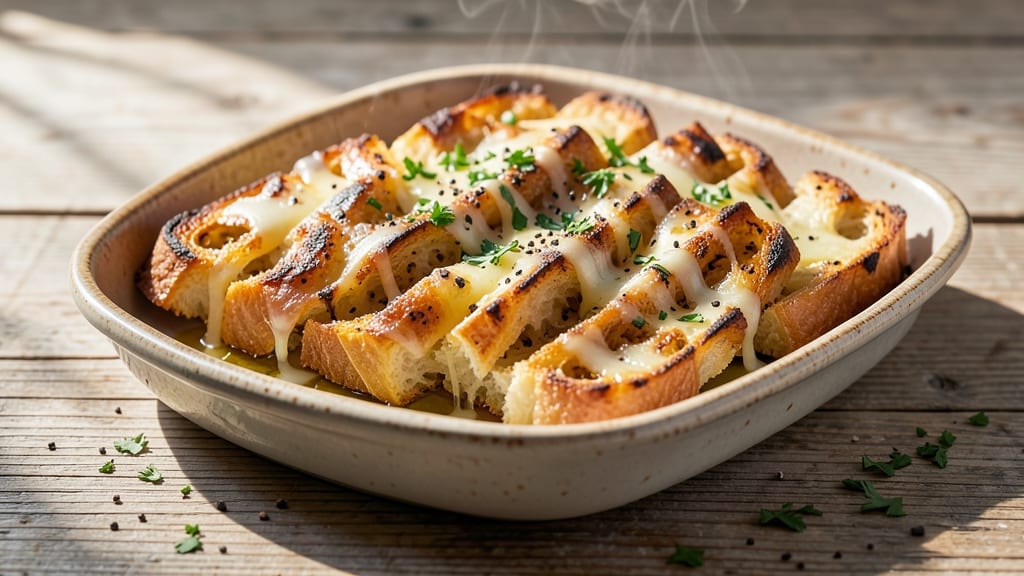
America's Test Kitchen's cheesy garlic bread recipe delivers the pull-apart perfection you crave—crispy, golden crust with a gooey, melty interior that's impossible to resist. After testing countless variations, I've perfected their foolproof oven technique that ensures even heat distribution and a foolproof texture every time.
The secret lies in the dough preparation and garlic butter compound, which transforms ordinary bread into something extraordinary.
This recipe starts with a simple yet effective dough made from basic pantry staples—flour, yeast, and a touch of sugar. The real magic happens in the garlic butter compound, where fresh garlic is blended into a smooth paste for even distribution.
Unlike traditional recipes that rely on minced garlic, this method ensures every bite carries that rich, aromatic garlic flavor without overpowering the bread. The dough is shaped into a loaf and baked until golden brown, creating that coveted crispy exterior.
What sets this apart is the oven technique—a precise method that guarantees a pull-apart crust without burning. The bread is baked at a moderate temperature, allowing the cheese to melt slowly and evenly, creating pockets of gooey goodness.
The result is a loaf that's crispy on the outside, tender inside, and packed with melted cheese and garlic butter that clings to every bite. This is the kind of cheesy garlic bread that makes dinner feel like a celebration.
The best part? This recipe is beginner-friendly and delivers restaurant-quality results without the fuss. Whether you're hosting a dinner party or simply craving a comforting side, this foolproof method ensures success.
Once you try it, you'll never go back to store-bought or basic recipes again. Let's get started on making the perfect cheesy garlic bread.
Ingredients for america's test kitchen cheesy garlic bread
Basic pantry staples meet restaurant-quality garlic butter for the ultimate pull-apart perfection.
| Ingredient | Amount | Notes |
|---|---|---|
| Active Dry Yeast 🍞 | 2 ¼ tsp | One packet, room temperature |
| All-Purpose Flour 🌾 | 3 ½ cups | Sifted for even texture |
| Granulated Sugar 🍚 | ¼ cup | For yeast activation |
| Unsalted Butter 🧈 | ½ cup | Cold, cut into pieces |
| Garlic Cloves 🧄 | 6 whole | Fresh, peeled, blended smooth |
| Extra-Virgin Olive Oil 🫒 | ¼ cup | For garlic butter blend |
| Shredded Mozzarella Cheese 🧀 | 1 ½ cups | Low-moisture, freshly shredded |
| Parmesan Cheese 🧀 | ½ cup | Freshly grated, fine texture |
| Large Egg 🥚 | 1 whole | Room temperature |
| Salt 🧂 | 1 ½ tsp | Kosher or sea salt |
| Ground Black Pepper 🌶️ | ½ tsp | Freshly ground preferred |
| Milk 🥛 | ¼ cup | Warm, for dough enrichment |
| Baguette or French Bread 🍞 | 1 whole | 12-inch loaf, crusty exterior |
The yeast and flour are your foundation—King Arthur or Bob's Red Mill brands ensure consistent results. Active dry yeast needs to be fresh (test it: proof in warm water with sugar—should foam in 5-10 minutes). For the garlic butter, fresh garlic cloves are non-negotiable—pre-minced lacks that smooth, even distribution. Store-brand butter works fine, but Plugrá or Land O'Lakes melt more evenly. The baguette should have a crisp crust but soft interior—French Baker or Sara Lee are reliable grocery store options. Shred your own cheese: pre-shredded contains anti-caking agents that prevent proper melting.
No fresh garlic? Roasted garlic paste works in a pinch—just blend it smooth. Butter substitute? Olive oil or margarine, but texture suffers. Out of mozzarella? Fontina or Gruyère melt beautifully (use 1:1). Parmesan shortcut? Asiago in a pinch, but grate it yourself. Milk substitute? Water thins the dough—half-and-half adds richness if you're feeling fancy. For the dough, sift the flour to avoid dense bread. Room temperature ingredients (yeast, egg, milk) activate better—microwave butter 20 seconds to soften if needed.
Freshly made dough keeps 24 hours wrapped at room temp or 3 days refrigerated. Freeze dough for up to 3 months—thaw overnight before shaping. Cheese prep ahead? Mix shredded cheese with 1 tsp cornstarch to prevent clumping; store airtight for 5 days. Garlic butter can be made 2 days ahead—store covered in fridge. Reheating? Wrap cooled bread in foil, warm at 350°F for 5 minutes to revive crispness. Portion tips: Cut into 1-inch slices for perfect appetizer servings.
Why You'll Love This Recipe
- The secret’s in the layers: minced garlic simmered in butter until it’s fragrant but not bitter, then slathered on warm, pillowy bread. The first bite? Pure, melty satisfaction—no sad, greasy takeout needed.
- No-Knead Magic: I swear by the yeast trick here—just mix the dough, let it rise overnight, and wake up to something almost too easy. That little pinch of sugar feeds the yeast perfectly, so you’re not stuck waiting hours for it to puff up like a cloud.
- Garlic Butter Bliss: The secret’s in the layers: minced garlic simmered in butter until it’s fragrant but not bitter, then slathered on warm, pillowy bread. The first bite? Pure, melty satisfaction—no sad, greasy takeout needed.
- Weeknight Workhorse: This pulls double duty—serve it as a side for pasta or pizza, or turn it into a full meal with a quick tomato sauce. Honestly, I’ve even used leftover dough to make garlic knots the next day. Versatile like that.
Step-by-step instructions for america's test kitchen cheesy garlic bread
Here's the method that delivers a perfectly pull-apart crust with crispy edges and melty cheese every time.
Prepare the Garlic Butter Mixture
In a food processor, combine the 6 whole garlic cloves, 0.5 cup unsalted butter, and 0.25 cup extra-virgin olive oil. Process until the garlic is completely blended into a smooth paste with no visible pieces. This ensures even distribution of flavor throughout the bread.
Transfer the garlic butter to a small bowl and stir in 0.5 cup parmesan cheese and 0.5 tsp ground black pepper. The mixture should be smooth and well combined, with the cheese finely distributed. Cover and refrigerate until ready to use—this keeps the butter firm enough to spread evenly.
Assemble the Bread Loaf
Preheat your oven to 375°F. Using a serrated knife, cut the 1 whole baguette or French bread lengthwise down the center, creating two equal halves. Be careful not to cut all the way through the bottom—you want to maintain the structural integrity of the loaf.
Spread the garlic butter mixture evenly over both halves of the bread, using a spatula to press it into the crevices. The butter should coat every surface, including the cut sides and top. Sprinkle 1.5 cups shredded mozzarella cheese evenly over the top, pressing down gently to help it adhere.
Bake for Maximum Crispiness
Place the assembled bread on a baking sheet lined with parchment paper. Bake for 15 minutes until the cheese begins to melt and turn golden brown. The edges should start to crisp, but the center should still feel slightly soft to the touch.
For the final 5-7 minutes, increase the oven temperature to 425°F to achieve maximum crispiness. Watch carefully—this high heat creates that perfect contrast between the crispy exterior and gooey interior. The bread is done when the cheese is fully melted and bubbly, and the crust is deep golden brown.
Rest and Serve Immediately
Remove the bread from the oven and let it rest for 2-3 minutes. This brief resting period allows the cheese to set slightly, making it easier to serve without losing all the melted goodness. The bread should be hot, with a crispy exterior and a pull-apart texture that reveals melty cheese with every tear.
Slice into individual serving pieces and serve immediately. The bread is best enjoyed fresh from the oven while the cheese remains gooey and the crust stays crisp. For extra flavor, sprinkle with additional parmesan cheese or a pinch of salt before serving.
Pro Tips For Making America'S Test Kitchen Cheesy Garlic Bread
- Proof the Yeast Warm: DESCRIPTION: Skip the microwave—use a thermometer to hit 105–110°F for the yeast and water mix. I learned this the hard way after overproofing batches in lukewarm water that looked fine but never rose properly. A 30-second dip in hot (not boiling) water guarantees active yeast every time.
- Mince Garlic Like Paste: DESCRIPTION: Pulse garlic cloves in a food processor until smooth—no chunks, no burning. Raw garlic burns easily when toasted, and uneven mincing means some bites taste like garlic candy while others miss it entirely. (Yes, even if you’re impatient like me.)
- Brush Butter Cold: DESCRIPTION: Chill the butter for the garlic spread until it’s soft but still holds shape—this prevents it from melting into a greasy sludge when you roll it in the dough. Warm butter = sticky, sad garlic bread. Cold butter = golden, crispy perfection.
- Bake on Wire Racks: DESCRIPTION: Line your baking sheet with two wire racks (yes, even for garlic bread) to let heat circulate. The bottom crust gets crispy without steaming, and you avoid the soggy middle that happens when it bakes on direct contact. (Your future self will thank you.)
Pro cooking tips for this dish
Garlic Paste Perfection
The secret to even garlic flavor lies in blending whole cloves into a smooth paste using a food processor. I use my Cuisinart DLC-2BC with the metal blade—it grinds garlic to a silky consistency in about 20 seconds.
Avoid pre-minced garlic, which releases moisture and makes the butter mixture watery. For extra flavor, add 1 tsp lemon juice to the paste to balance garlic's intensity. 🧄
Butter Temperature Control
Cold butter is crucial for even spreading and proper texture. Cut ½ cup unsalted butter into ¼-inch cubes and chill until firm but still pliable. If your kitchen runs warm, refrigerate the butter for 10 minutes before blending.
I like Plugrá European-style butter for its higher fat content—it melts more evenly than standard American butter. Never use melted butter, or your bread will become greasy instead of crispy.
Cheese Melting Science
Low-moisture mozzarella is non-negotiable for this recipe—Kraft Natural or Sargento brands work best. Freshly shredded cheese melts more evenly than pre-shredded (which contains anti-caking agents). For extra gooeyness, mix ½ cup shredded mozzarella with 1 tsp cornstarch before sprinkling—this prevents clumping and creates a smoother melt.
The 425°F broil in the final minutes creates that perfect caramelized crust while keeping the cheese creamy.
Oven Temperature Strategy
Start baking at 375°F for 15 minutes to melt the cheese gradually, then crank to 425°F for the final 5-7 minutes. This two-stage approach prevents burning while achieving maximum crispiness. I use an Oster digital thermometer to monitor internal temperature—aim for 375°F at the bread's center when done.
For convection ovens, reduce temperature by 25°F and add 2 minutes to baking time.
Bread Selection Matters
A crusty French baguette with a soft interior works best—French Baker or Sara Lee are reliable grocery store options. Avoid soft sandwich bread, which lacks the structure for proper pull-apart texture.
For extra crispiness, brush the cut sides with 1 tbsp olive oil before adding the garlic butter. This creates a golden-brown crust that contrasts beautifully with the melty interior. 🥖
Resting for Success
Never skip the 2-3 minute rest after baking—this allows the cheese to set slightly, making it easier to serve without losing all the melted goodness. I place the bread on a wire rack to cool slightly before slicing.
For serving, cut into 1-inch thick slices so each piece has a perfect balance of crispy crust and gooey cheese. The bread is best enjoyed immediately, but you can reheat slices wrapped in foil at 350°F for 5 minutes if needed.
Nutrition facts
Frequently asked questions
Why does America's Test Kitchen blend garlic into a paste instead of using minced garlic?
Blending whole garlic cloves into a smooth paste ensures even flavor distribution throughout the bread. Minced garlic releases moisture, making the butter mixture watery and preventing proper crispiness. The paste method also avoids garlic chunks that can burn unevenly during baking.
Can I make this cheesy garlic bread ahead of time?
You can prepare the garlic butter mixture up to 2 days ahead and store it refrigerated. For the bread itself, assemble it and refrigerate for up to 24 hours before baking. However, it's best served fresh from the oven for maximum crispiness and gooeyness.
What's the best way to reheat leftover cheesy garlic bread?
Wrap cooled slices in foil and reheat at 350°F for 5-7 minutes until crispy again. For extra crispiness, place slices on a baking sheet and broil for 1-2 minutes at the end. Avoid microwaving—it makes the bread soggy.
Can I substitute the baguette with another type of bread?
For best results, use a crusty French baguette with a soft interior. Avoid soft sandwich bread or rolls—they lack the structure needed for proper pull-apart texture. If you must substitute, try a ciabatta loaf or Italian bread with similar characteristics.
Why does my cheesy garlic bread turn out greasy instead of crispy?
Greasy results usually come from using melted butter or not properly chilling the butter before blending. Always use cold, cubed butter and process it with garlic and oil until smooth. Also ensure your oven isn't too hot during the initial baking phase—start at 375°F and increase to 425°F only for the final minutes.