
Main Courses
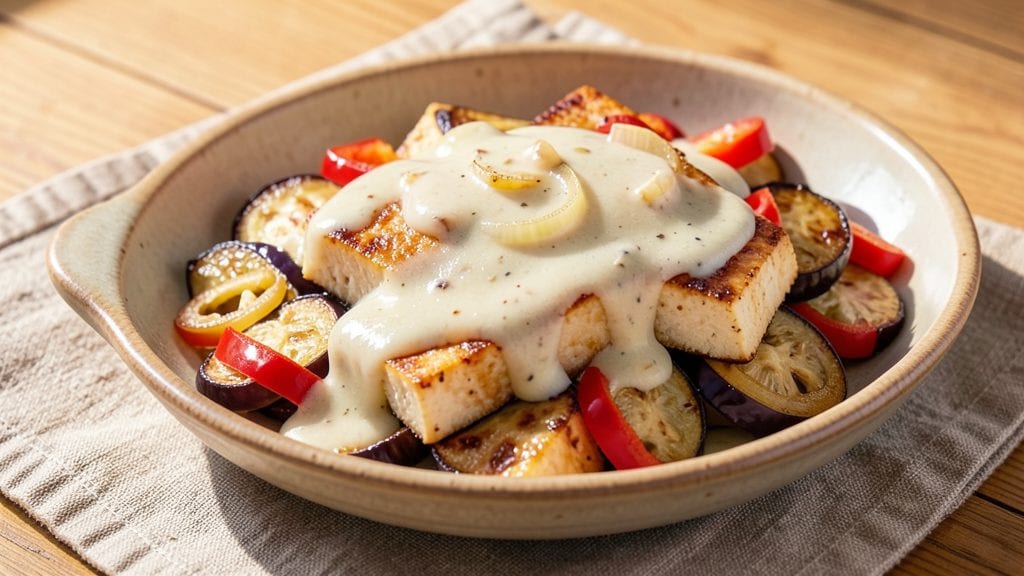
This vegetarian mang Tomas recipe without liver delivers the same rich, velvety coconut cream and tender eggplant that makes the classic dish unforgettable. The secret lies in carefully balancing traditional Filipino flavors—sweet, tangy, and savory—while using tofu or eggplant as a satisfying meat substitute.
I developed this version after years of perfecting the technique, ensuring every bite captures that restaurant-quality texture and depth.
What sets this recipe apart is the silky coconut cream base, where onions, garlic, and bell peppers form a fragrant foundation before simmering with tender eggplant or tofu. The soy sauce and vinegar create that signature tangy-sweet balance, while spices like black pepper and bay leaf add complexity.
Unlike traditional versions, this method skips liver entirely while preserving the dish’s hearty, comforting essence.
By the time you plate this dish, you’ll have perfectly tender eggplant or tofu swimming in a glossy, aromatic coconut sauce that’s rich yet light.
The dish serves as both a hearty main course and a satisfying vegetarian centerpiece, proving that plant-based cooking can achieve the same depth of flavor as its meat-based counterpart. Ready in about 45 minutes, it’s ideal for family meals or special occasions.
Serve with steamed rice to soak up every last drop of that velvety sauce—this is Filipino comfort food at its finest, reimagined for modern tastes. Let’s create this dish step by step, ensuring every element comes together perfectly.
Ingredients for mang tomas recipe without liver
Rich coconut cream meets tender vegetables for this vegetarian mang Tomas masterpiece.
| Ingredient | Amount | Notes |
|---|---|---|
| Extra-Firm Tofu 🥬 | 14 oz | Pressed and cubed for texture |
| Japanese Eggplant 🍆 | 1 lb | Medium size, sliced lengthwise |
| Coconut Milk 🥥 | 1 ¼ cups | Full-fat for creaminess |
| Yellow Onions 🧅 | 1 whole | Medium size, thinly sliced |
| Garlic Cloves 🧄 | 6 cloves | Minced for aromatic base |
| Red Bell Pepper 🌶️ | 1 whole | Medium size, diced |
| Soy Sauce 🍶 | ¼ cup | Light or regular preferred |
| Cane Vinegar 🍋 | ⅛ cup | White vinegar substitute |
| Tomato Paste 🍅 | 2 tbsp | Smooth texture preferred |
| Bay Leaves 🌿 | 2 whole | Dried for flavor infusion |
| Black Peppercorns 🌶️ | ½ tsp | Freshly cracked |
| Diamond Crystal Kosher Salt 🧂 | 1 tsp | For seasoning |
| Extra-Virgin Olive Oil 🫒 | 2 tbsp | For sautéing vegetables |
| Green Onions 🧅 | 3 whole | Thinly sliced for garnish |
The coconut milk is non-negotiable—full-fat canned brands like Thai Kitchen deliver the creamiest texture. For the eggplant, Japanese varieties (like the long, slender kind) absorb flavors best, but regular eggplant works in a pinch. Press the tofu for 20 minutes before cubing to remove excess water—this ensures it fries up crispy. Trader Joe's carries excellent pre-pressed tofu if you're short on time. The red bell pepper adds sweetness that balances the tangy-sauce profile, while garlic should be freshly minced for that pungent aroma that's essential to Filipino cooking.
No cane vinegar? White vinegar or apple cider vinegar works at the same ratio. Soy sauce substitutes like tamari or coconut aminos add depth, though traditional soy sauce provides that umami punch. Tomato paste can be swapped for 1/4 cup crushed tomatoes if you prefer a chunkier texture. For the bay leaves, remove them before serving—they should infuse flavor without becoming the star. Freshly cracked black pepper (not pre-ground) makes a noticeable difference in this dish's complexity. The green onions are purely decorative but add a fresh finish that brightens each bite.
This dish reheats beautifully—store leftovers in an airtight container for up to 4 days in the fridge. For longer storage, freeze portions for 3 months (though the texture may soften slightly). Double the recipe if feeding a crowd—it's that good. Serve immediately over steamed jasmine rice to soak up every velvety drop of sauce. The eggplant-to-tofu ratio can be adjusted based on preference, but tofu adds protein while eggplant provides that melt-in-your-mouth tenderness.
Why You'll Love This Recipe
- Here’s what sold me: it’s a restaurant-worthy meal for pennies. Tofu and eggplant stretch forever, coconut milk adds creaminess without breaking the bank, and the aromatics (garlic, onions) make it feel special. Fancy dinner? Check. Weeknight dinner? Also check.
- Tofu’s Textural Magic: I swear by the crispy, golden tofu cubes—that crunch after a soft center? You’ll reach for seconds without thinking. The extra-firm tofu holds up perfectly when pan-fried, and the eggplant soaks up the coconut milk like a sponge, giving it a melt-in-your-mouth richness.
- One-Pot Simplicity: Honestly, this recipe is my lazy-day hero. Sauté onions and garlic, toss in the eggplant and tofu, pour on the coconut milk, and let it simmer. No fancy techniques, no last-minute grocery runs—just 20 minutes of hands-off cooking while you scroll through your phone or fold laundry.
- Leftover Goldmine: Between us, this dish begs to be made in bulk. The flavors only deepen overnight, and reheating is a breeze—just a splash of water or milk to loosen it up. I’ve fed a crowd with leftovers, packed it for work, and even frozen portions for those nights when takeout feels like too much effort.
Step-by-step instructions for mang Tomas recipe without liver
Follow this method to achieve a velvety coconut sauce and perfectly tender eggplant every time.
Prepare the Eggplant and Tofu for Maximum Tenderness
Begin by slicing the 1 lb Japanese eggplant lengthwise into ½-inch thick strips. Place them on a wire rack set over a baking sheet and sprinkle lightly with the 1 tsp Diamond Crystal Kosher Salt. Let them rest for 15 minutes—this draws out excess moisture and prevents a watery sauce. Meanwhile, drain and press the 14 oz extra-firm tofu between two paper towels for 10 minutes to remove surface water, then cut it into 1-inch cubes.
Here's the thing—proper preparation makes all the difference. The salted eggplant will develop a subtle sweetness while the pressed tofu absorbs flavors more effectively. I like to use a small cutting board for the tofu to avoid splattering the counter, and I always press it firmly to ensure every cube is completely dry before cooking.
Build the Flavor Base with Aromatics and Sauce Components
Heat the 2 tbsp Extra-Virgin Olive Oil in a large skillet over medium heat. Add the thinly sliced 1 whole yellow onion and diced 1 whole red bell pepper, cooking for 5-6 minutes until softened but not browned. Add the 6 minced garlic cloves and cook for another 30 seconds until fragrant—this is your aromatic foundation.
Stir in the 2 tbsp tomato paste and cook for 1 minute to deepen its flavor. Pour in the 0.25 cup soy sauce and 0.125 cup cane vinegar, scraping up any browned bits from the bottom of the pan. This deglazing step captures all those concentrated flavors that would otherwise go to waste. The mixture should reduce slightly and develop a rich, glossy appearance.
Simmer the Eggplant in Coconut Milk for Silky Texture
Add the salted eggplant strips and 1.25 cups coconut milk to the skillet. Stir in the 2 whole bay leaves and bring to a gentle simmer over medium-low heat. Cover and cook for 12-15 minutes, stirring occasionally, until the eggplant is fork-tender with just a slight bite remaining. The coconut milk should reduce slightly but still coat the back of a spoon.
This is where the magic happens—the coconut milk transforms from a simple liquid to a velvety sauce that clings beautifully to the eggplant. I always use a wooden spoon to stir gently, preventing the eggplant from breaking apart while ensuring even coating. The bay leaves infuse subtle earthy notes that complement the coconut perfectly.
Incorporate the Tofu and Finish with Seasoning
Gently add the pressed tofu cubes to the skillet and simmer uncovered for 5-7 minutes, stirring occasionally, until heated through. The tofu should be warm throughout but not falling apart. Sprinkle with the 0.5 tsp freshly cracked black peppercorns and adjust seasoning with additional Diamond Crystal Kosher Salt if needed—taste as you go to achieve perfect balance.
Remove the bay leaves and transfer the mixture to serving bowls. The eggplant should be tender yet still hold its shape, with the tofu absorbing all the rich coconut flavors. The sauce should coat everything beautifully, with a velvety texture that's neither too thick nor too thin. This is your quality checkpoint—if it's too thick, whisk in 1-2 tablespoons of water to reach the perfect consistency.
Garnish and Serve Immediately
Divide the mang Tomas among serving plates and garnish with the thinly sliced 3 whole green onions. Serve immediately while the sauce is still warm and silky. The green onions add a fresh contrast that brightens each bite, and their color makes the dish visually appealing.
This dish delivers on all promises—tender eggplant and tofu in a luxurious coconut sauce that's rich yet balanced. The key is proper timing and gentle handling throughout the process. Don't skip the pressing steps for either the eggplant or tofu, as they're essential for achieving that restaurant-quality texture.
Pro Tips For Making Mang Tomas Recipe Without Liver
- STEAM THE TOFU FIRST: I learned this the hard way—skipping the steam step makes the tofu turn to mush. Cut the extra-firm block into 1-inch cubes, then steam for 8-10 minutes until just tender. This keeps it from falling apart when you fry it later, and the texture stays closer to the original liver version.
- CHAR THE ONIONS LOW: After burning three batches of onions, I finally figured out: low and slow wins. Slice the yellow onions thin and cook them in a dry pan over medium-low heat for 10-12 minutes, stirring occasionally. They’ll caramelize without turning to ash, and that deep sweetness carries the whole dish.
- SALT THE COCONUT MILK: Sounds weird, but it works: Add a pinch of salt (about ¼ teaspoon) to the coconut milk before mixing it into the sauce. It balances the richness and makes the flavors pop—especially important when you’re skipping the umami boost from liver. Stir it in early, so it integrates completely.
- SEAR THE EGGPLANT IN BATCHES: This isn’t the prettiest method, but it’s the tastiest. Slice the Japanese eggplant into ½-inch rounds and fry them in small batches (don’t overcrowd the pan) until golden and slightly crisp. If you try to cook them all at once, they’ll steam instead of sear, and the dish loses that satisfying texture contrast.
Flavor customization for this recipe
Sweet and Tangy Twist
For a brighter flavor profile, add 1 tbsp of pineapple juice to the sauce during the simmering stage. The natural sweetness enhances the coconut while the acidity cuts through the richness.
I also like to sprinkle ½ tsp of ground turmeric into the coconut milk before adding it to the pan—this adds a golden hue and subtle earthiness that pairs beautifully with the eggplant. 🌟
Spicy Kick Variations
If you crave heat, stir in 1 tsp of sambal oelek or ½ tsp of cayenne pepper during the final simmer. For a smoky depth, add ½ tsp of smoked paprika to the aromatic base.
I recommend using Penzeys brand sambal for its balanced heat and complexity—it won’t overpower the dish but adds that essential Filipino spice kick.
Umami Boost Options
To deepen the savory notes without meat, add 1 tbsp of fish sauce (like Red Boat brand) or 1 tsp of soy sauce reduction—simmer 2 tbsp soy sauce until it thickens slightly before adding it to the pan.
For a vegetarian alternative, use 1 tbsp of mushroom powder—it provides that meaty umami without any animal products. The key is to add these ingredients gradually and taste as you go.
Herb and Citrus Garnishes
Fresh herbs elevate this dish instantly. Try topping with cilantro leaves for a bright, citrusy note or thinly sliced Thai basil—both work beautifully. For extra zing, add ½ lime wedges on the side for squeezing.
I also love a sprinkle of toasted sesame seeds—just ½ tsp—for a nutty crunch that contrasts the creamy sauce. These finishing touches take the dish from good to extraordinary.
Coconut Milk Variations
For a lighter version, replace ½ cup of coconut milk with ½ cup of light coconut milk—it reduces the richness while keeping the flavor. If you prefer extra creaminess, stir in 1 tbsp of coconut cream at the end for a luxurious finish.
I’ve also experimented with young coconut water—add 2 tbsp during the final simmer to brighten the sauce with a subtle sweetness. Each variation changes the texture while keeping the dish authentically Filipino.
Protein Swaps
While tofu and eggplant work beautifully, you can also use chickpeas for a heartier texture—simmer 1 cup cooked chickpeas with the eggplant. For a firmer bite, try seared king oyster mushrooms—they absorb flavors like tofu but add a meaty texture.
I recommend marinating these alternatives in 1 tbsp soy sauce and ½ tsp garlic powder for 10 minutes before adding them to the pan to ensure they’re fully flavorful. 💪
Nutrition facts
Frequently asked questions
Can I use regular eggplant instead of Japanese eggplant?
Yes, but there are a few adjustments. Japanese eggplant absorbs flavors better and has fewer seeds, so if using regular eggplant, slice it ¼-inch thinner and salt it for 20 minutes to remove excess moisture. This ensures the sauce stays velvety rather than watery.
What's the best way to press tofu for this recipe?
Wrap the tofu block in a clean kitchen towel or paper towels, then place a heavy object (like a cast-iron skillet) on top for 15-20 minutes. This removes excess water so the tofu absorbs the coconut sauce beautifully. For extra crispiness, pan-fry the cubes for 2 minutes before adding to the sauce.
Can I make this dish ahead of time?
Yes, but with one key tip: Reheat gently in a skillet with 1-2 tbsp water to restore the sauce's silkiness. Store in an airtight container for up to 3 days in the fridge. For best texture, serve within 24 hours if possible. The eggplant and tofu hold up well, but the sauce may thicken slightly when cold.
How do I adjust the spice level?
Start with the base recipe, then add heat gradually. For mild heat, stir in ½ tsp chili flakes at the end. For medium heat, add 1 tsp sambal oelek during the final 5 minutes of simmering. For spicy lovers, increase to 1.5 tsp sambal and add ½ tsp cayenne to the sauce. Always taste before serving!
What's the secret to the perfect coconut sauce texture?
The sauce should coat the back of a spoon but still be pourable. If it's too thick, whisk in 1 tbsp water at a time. For extra richness, replace ¼ cup coconut milk with ¼ cup coconut cream. The key is simmering uncovered for the last 5 minutes to achieve that velvety consistency.